Expectations that Hyundai Ioniq could be a watershed moment for electric vehicles in Australia confirmed when pricing details accidentally released.

Our new home is off-grid and the system works well for our current needs. What would we need to add if we wanted to add an electric car to the mix?

Given the many exciting changes that have been happening, and are about to happen in the Australian market, it seems an ideal time to update our list of what’s available in EVs in Australia.

Not quite yet, but there are a number of people – and companies – working on it and testing prototypes.

As an example of what Australia needs to smooth the introduction of electric and hybrid vehicles – it would be hard to go past what $US2 billion can do.

With a smaller ICE and a larger battery than a HEV, the battery in a PHEV can be recharged in up to three ways.

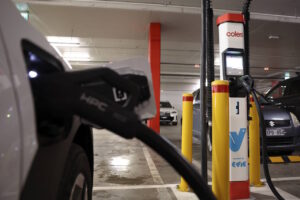
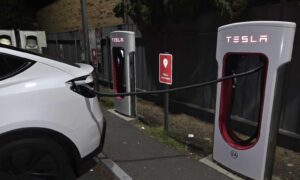
DC chargers are the largest and fastest way to charge an electric vehicle. Here’s why.

The first of the ‘new generation’ EVs on the market in the 1990s, HEVs are refuelled exclusively with fossil fuels.

The simplest form of EV is a BEV: a battery feeds an electric motor to drive the car.

FCEVs are technically very similar to a BEV, but swap out a sizeable chunk of the battery and replace it with two components.