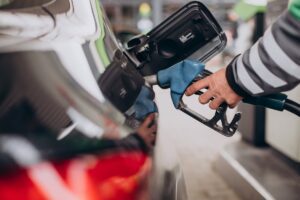
Small number of laggard companies is skewing the debate and risks slowing the transition to electric cars, according to a survey of auto industry managers.

Electric cars have overtaken petrol models in monthly new car registrations in Europe’s biggest economy, and even Tesla has registered a comeback following an earlier sales collapse blamed on Musk.

Greens narrowly defeat chancellor Friedrich Merz’s conservatives in a state election in Germany’s wealthy region of Baden-Württemberg, home to car industry giants Mercedes-Benz, Porsche and Bosch.

Germany offers new EV subsidies to low income houses but NGOs say “promoting bulky SUVs and climate-damaging plug-in hybrids is misguided.”

Hydrogen plays hardly any role as an energy source for cars in Europe, as the technology has been left behind by battery-electric cars.

The number of purely electric cars on Germany’s roads looks set to climb above 2 million by the end of the year, but will fall well short of 2030 target.

Ten years after the start of the Volkswagen emissions scandal, German carmakers still lack a full commitment to EVs because they are torn between short-term profits and long-term strategy, leading expert says.
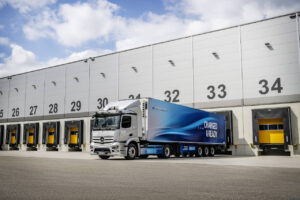
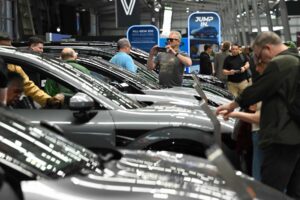
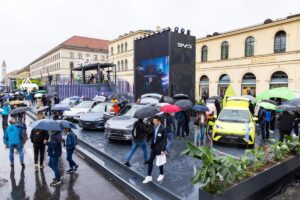
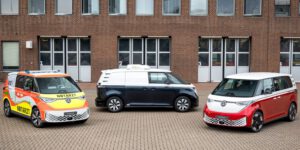
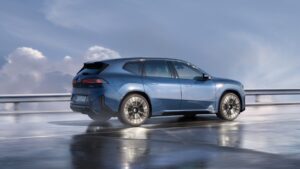
VW, BMW, and Mercedes present new electric models in bid to halt their decline on global markets. But Environmental organisations accused the companies of “greenwashing”.

Germany’s car industry has demanded that emissions from new cars should not have to fall to zero by 2035, but instead only be reduced by 90 percent.

In mid and high price categories, EVs are already often cheaper than comparable combustion models. Any support should be focused on smaller cars and low-income households.