A curious roadblock is emerging for some families looking to make the switch to electric: the family EV they want today may be the car their teenagers are banned from driving tomorrow.
On the latest episode of The Driven Podcast, we discussed a message from a Victorian parent who wants to replace a 13-year-old car with an electric vehicle, but is running into an unexpected problem.
Her family needs something roomy enough for tall teenagers and a very tall husband, but she is also thinking ahead to when the kids get their licences in the next couple of years.
That is where rules in some states including Victoria start to bite, where probationary drivers are generally restricted from driving vehicles with a power-to-mass ratio above 130kW per tonne, or vehicles listed as banned in the state’s probationary vehicle database.
For some electric cars, with their instant torque and high outputs, that can rule out models that otherwise look like sensible, safe family transport.
The catch is that EVs often look worse on paper than they feel in normal family use. Because electric motors deliver instant torque and many EVs have relatively high peak power outputs, they can be swept up by power-to-weight restrictions originally designed to keep young drivers out of high-performance cars.
But that blunt calculation does not necessarily account for the fact many of these vehicles also come with modern safety systems, stability control and collision avoidance — or that a parent buying a roomy electric SUV is usually not shopping for a drag racer.
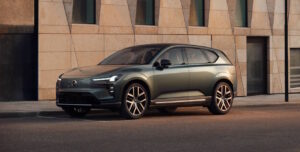
The Tesla Model Y, Australia’s most popular electric SUV, was one example raised in the discussion. Other examples of EV models also on the banned list include the Zeekr 7X, Volvo’s EX30 and EX90, Smart #3, and Subaru’s Solterra.
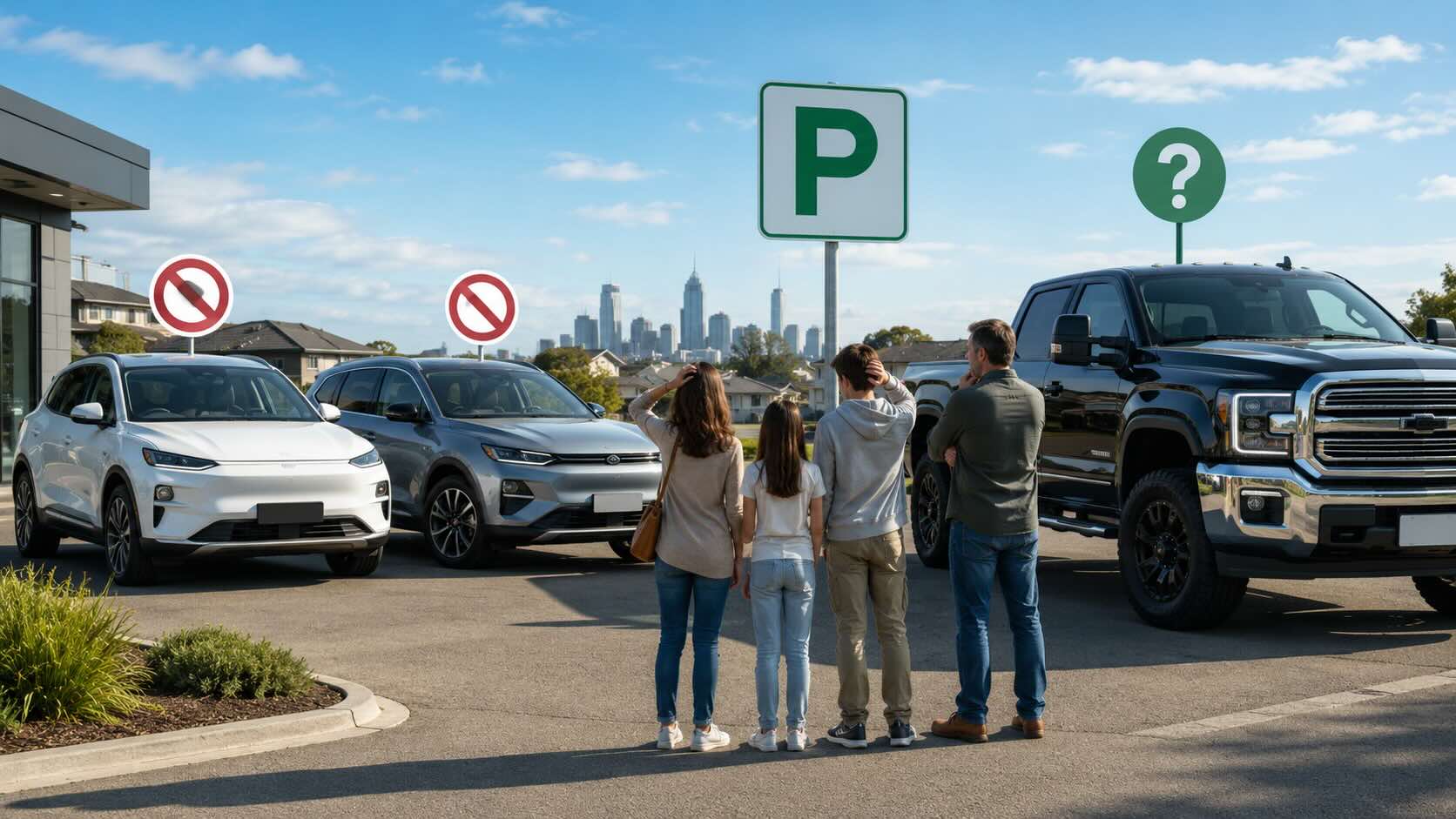
Curiously, the same family could potentially buy something much larger and heavier such as a Ram 1500 (which weighs up to 3 tonnes and has no ANCAP rating), and still find that it passes the P-plate test, depending on the variant listed in the database. That is arguably not the outcome many people would expect from rules designed around safety and vehicle suitability.
The issue is not that young drivers should be handed the keys to anything with four wheels and a battery. But as more families start replacing older petrol cars with EVs, these rules may increasingly shape what they feel able to buy.
For parents trying to choose one car that works for today’s family duties and tomorrow’s learner or P-plater years, the current system can produce some strange results.
Under the current guidelines, a family trying to do the sensible thing and buy a modern, efficient, lower-emissions vehicle, may find itself boxed in by rules that were written for a very different era of performance cars.
Watch the full episode of The Driven Podcast here, or listen wherever you get your podcasts.
Sign up for The Driven’s free daily newsletter and get the latest EV news and analysis delivered straight to your inbox.