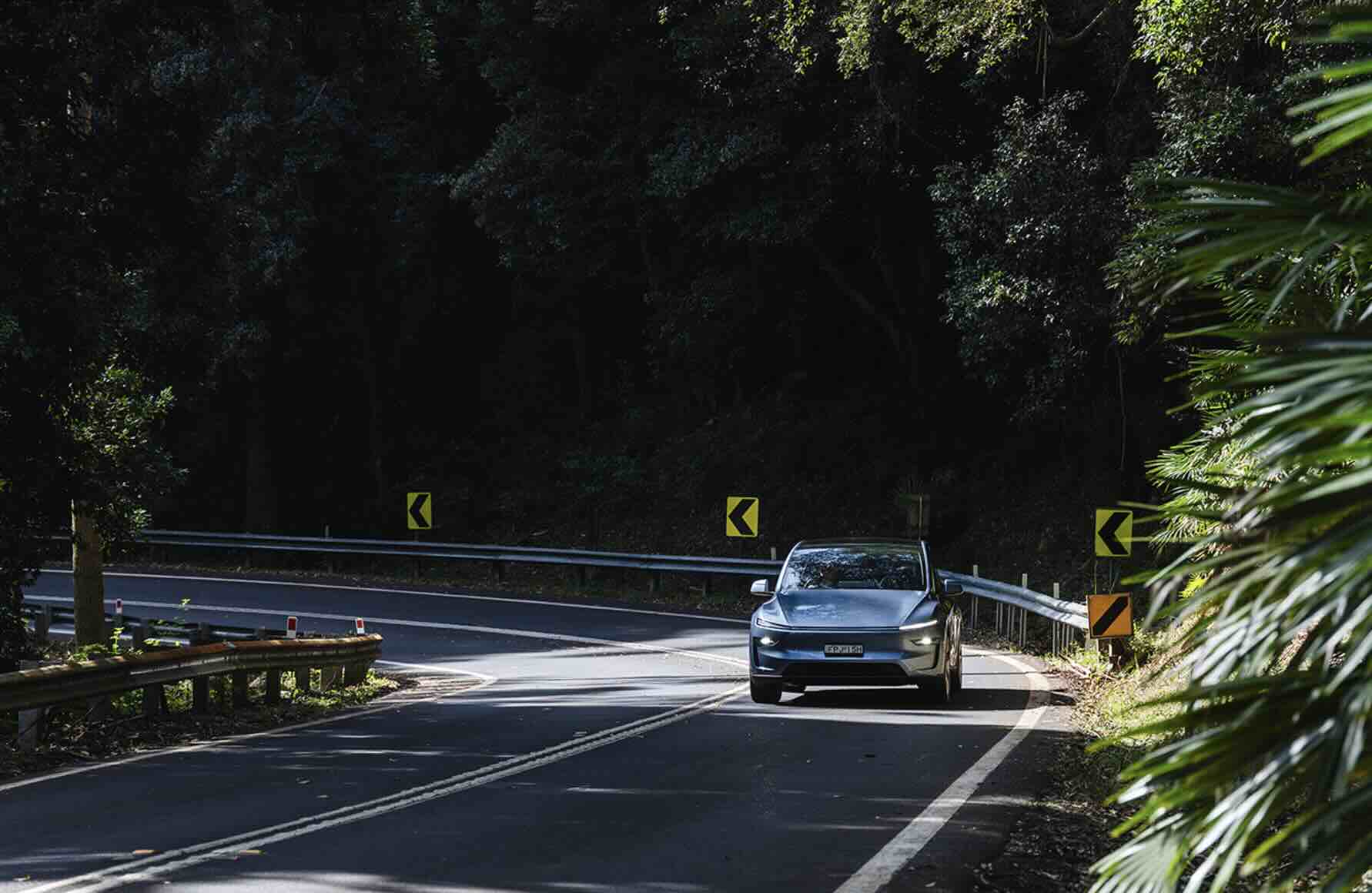
The Tesla Model Y may well be facing a major challenge from the BYD Sealion 7 when it comes to its ranking of best-selling EVs in Australia, but it remains the dominant choice when it comes to fleet owners.
A new report from Origin Energy, the country’s biggest electricity retailer, notes that 27 per cent of the EVs in its leasing and subscription program are Tesla Model Y electric SUVs, more than double the next most popular electric cars, the Kia EV5 and the VW ID.4.
The data is included in a “lessons learned” report delivered as part of the obligations of Origin’s Fleet Electrification program that has been partly funded by the Australian Renewable Energy Agency.
The program aims to deliver 1,000 EVs to the fleet program, but Origin says the transition has been hindered by the lack of good electric ute options.

“Passenger vehicle choice is no longer a barrier for most take-home fleets,” Origin writes.”
“Utes are a different story. Despite making up around 22% of new vehicle sales, there’s limited EV ute options, and those that are available cost more than the ICE equivalent and have limited range.”
And it notes that only two new electric utes have entered the Australian market over the past year. (And one electric ute, the Ford F150 Lightning, is no longer available).
As a result, just 5.2 per cent of Origin’s lease and subscription sales over the reporting period were utes – and all of these were the BYD Shark 6 plug-in hybrids.

Origin says that for most fleet managers, the decision to go electric comes down to cost, and if the total cost of ownership (TCO) isn’t lower than an equivalent ICE vehicle, “it halts most decisions – any emissions benefit is a bonus, not a driver.”
Still, Origin says it is starting to see a shift. “A small but growing number of customers, particularly in carbon-intensive industries like construction, are now treating emissions reduction as equally important as cost when making fleet decisions.”
That it says is being driven by a couple of factors, including Australia’s own efforts to reduce emissions and by pressure from overseas, particularly on the Australian divisions of companies that operate internationally.
The other major observation from Origin was on the clear preference on “take-home” vehicles, given that these qualify for the federal government’s FBT exemptions, while pool cars do not.
“The sales Origin is making are almost entirely concentrated where customers can access the FBT exemption,” it says, adding that charger funding by ARENA has not been sufficient to close the TCO (total cost of ownership) gap on pool vehicles.
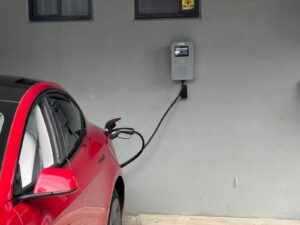
That said, the issues around home charging also needed to be resolved, including developing systems that allowed employees to have their home charging costs covered by their employer, in much the same way as occurs with fuel cards.
“Managing public charging remains an admin burden for fleet managers and drivers – multiple apps, cards and expense claims across different networks,” it notes.
“Origin’s had strong uptake on it’s OneCharge solution that helps solve this, by centralising charger activation and billing across six of the major public charging networks, and aggregating costs onto the fleet bill.”
It concludes: “Driver and fleet manager hesitation is real, but manageable – flexible trials, data-driven suitability tools, and hands-on experience all play a role in converting interest into commitment.
“Vehicle availability is improving for passenger fleets, but the ute segment remains a significant gap that limits electrification for a large portion of the Australian fleet market.”
Sign up for The Driven’s free daily newsletter and get the latest EV news and analysis delivered straight to your inbox.