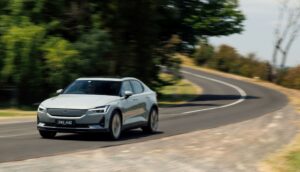
Late last year, we had the opportunity to get a sneak peek at Volvo’s new top-spec EX30 Cross Country SUV at an event in NSW, alongside the large ES90 luxury sedan.
The EX30 is Volvo’s smallest electric SUV, and this is its zippiest, getting from 0-100 km/h in just 3.7 seconds. The Cross is the “adventure” version of this model and since its launch its asking price has been slashed from $69,990 to $62,990 before on-road costs. And for that, you get a lot of car for the price.
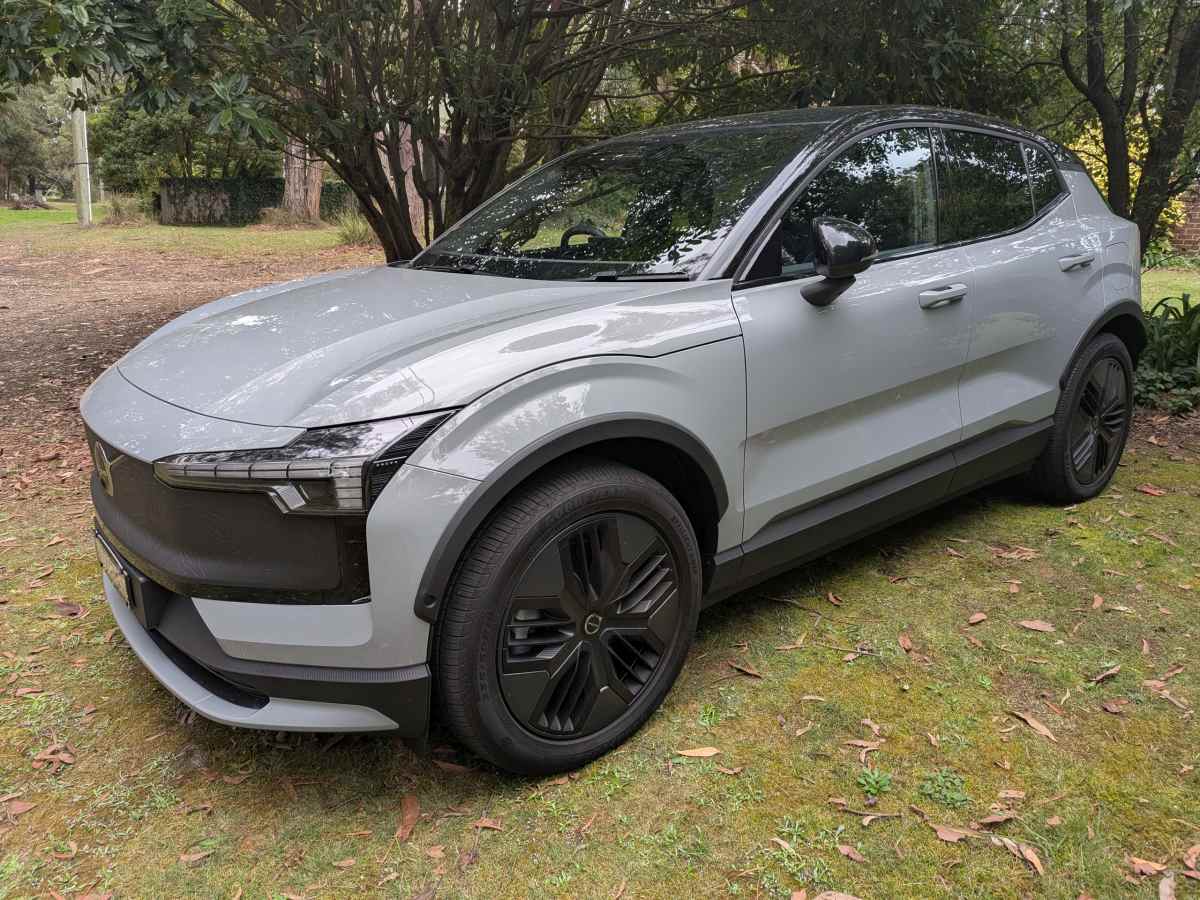
The main distinguishing factor of the EX30 Cross is that it sits 19 mm higher off the ground than the standard version and, in my opinion, looks tougher too, thanks to the black plastic wheel arch extensions and front and rear skid plates.
The powertrain is a dual-motor setup and this is the only variant in the EX30 lineup to feature it. That makes this car incredibly zippy, with the powertrain producing a combined power of 315 kW and 543 Nm of torque, and it is quicker than almost anything else at this price point, which is a credit to the Volvo engineering team for the way it’s tuned for low and high speeds.
Driving through the mountains around the Mornington Peninsula, the steering is light but accurate enough around most sweeping roads, despite the slightly raised suspension.
Regen braking is also very good, and I have been a big fan of the region in the Volvo lineup, including in the much larger EX90 we tested last year.
Driving on the highways, the autonomous driving system was better than many of the systems I’ve tested recently. Like other Volvos, engaging autonomous driving is as simple as tapping the gear selector stalk.
It is smooth around bends and maintains speed when safe to do so, and performs lane changes once the indicator is used to signal which lanes to change into.
Feeding the powertrain is a large 69 kWh Nickel-Manganese-Cobalt (NMC) battery pack, which, in this configuration, provides up to 427 km of WLTP range according to official figures.
During testing, we got close to that when driving on a mixture of city and highway drives. On shorter drives, consumption was around 20.5 kWh/100 km, but dropped to 18 kWh/100 km on longer runs.
Charging the car is fairly straightforward, and on a side note, I quite like the charge port on the left-hand side of the car, making it easier to charge at open Tesla superchargers as well.
The EX30’s advanced driver assistance system (ADAS) worked really well with minimal bings and bongs, making it easy to live with.
This genuinely made the whole driving experience a lot more pleasant and shows that Volvo has been listening to its customers in delivering an experience many would expect from the Scandinavian brand.
From the outside, the Volvo EX30 Cross Country looks like other modern Volvos, with a design language that features its Thor-hammer-like front lights. At the rear, its simple styling, especially around the tail lights, is very easy to spot on the road.
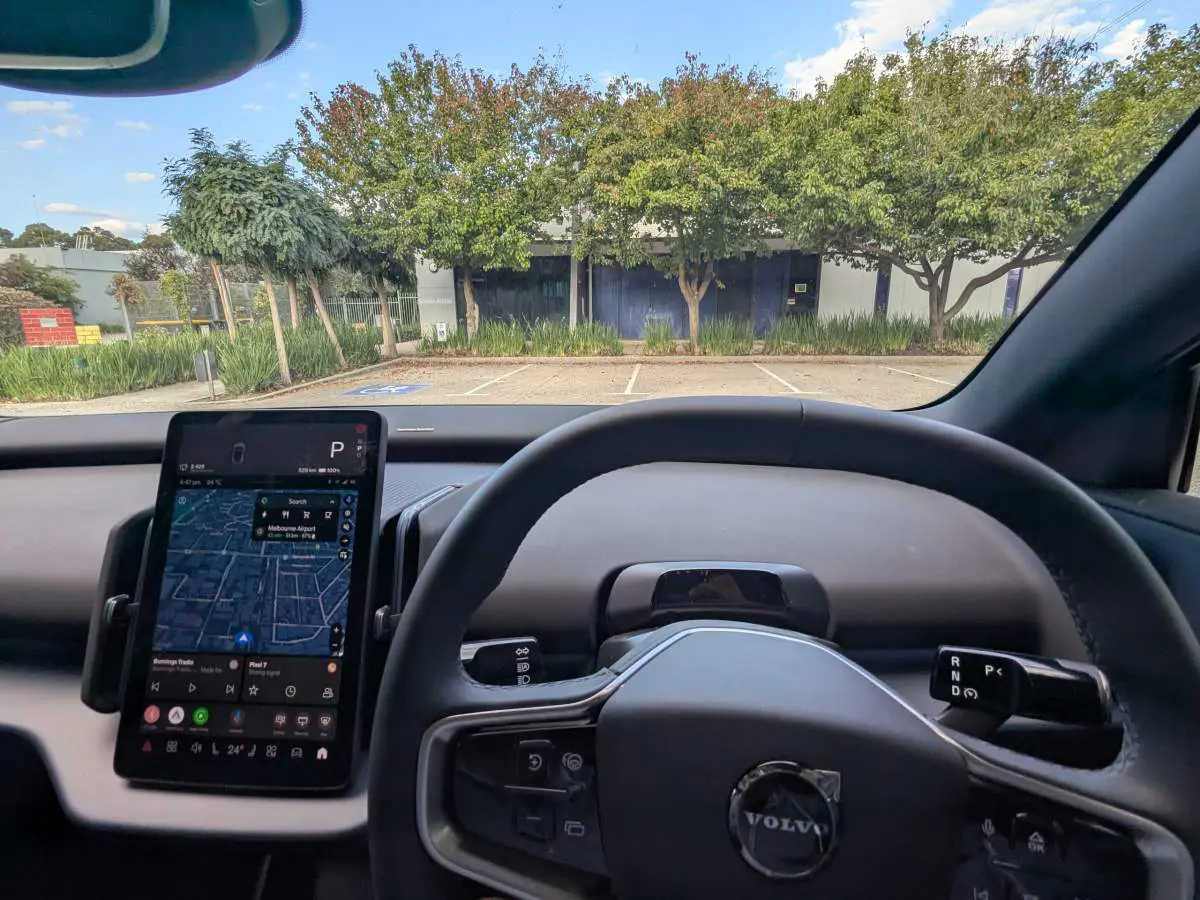
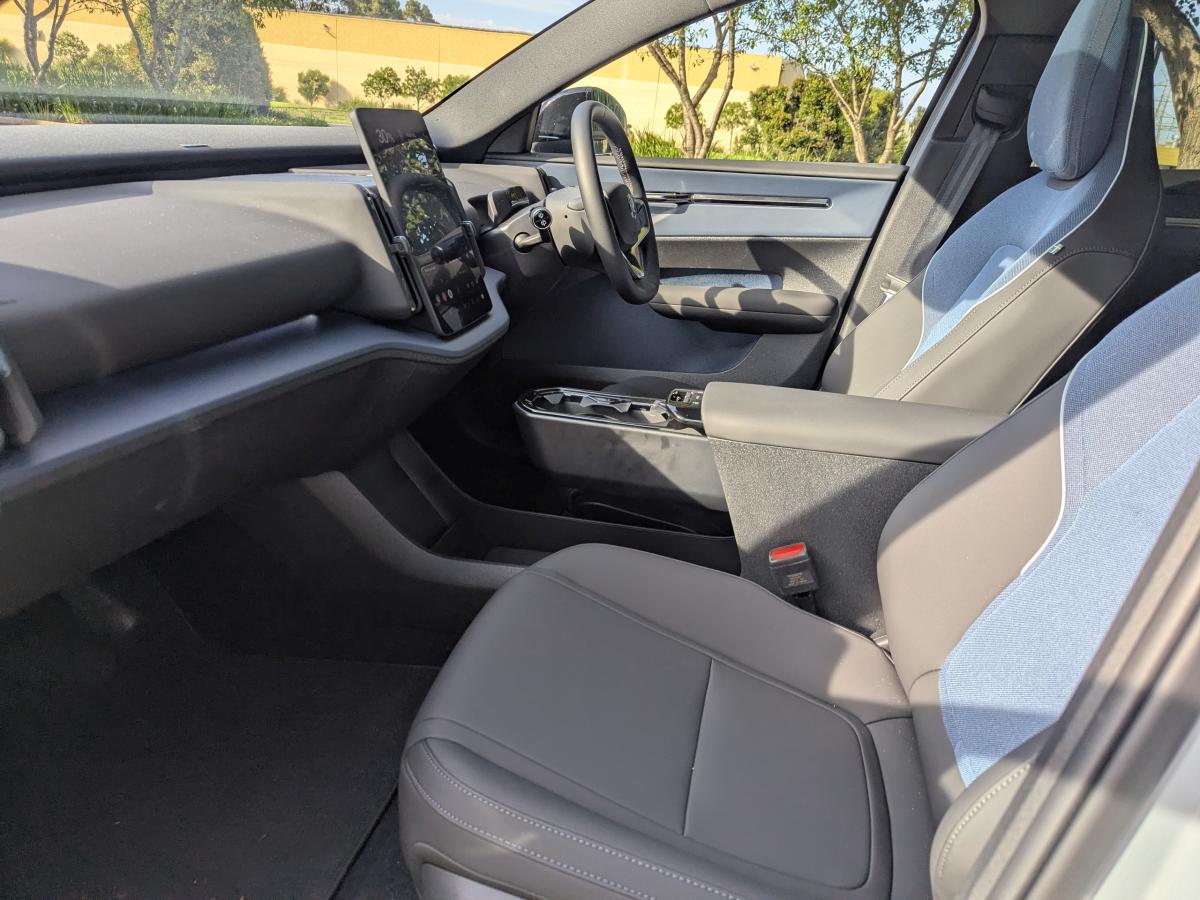
Inside, there is a single 12.3-inch vertically mounted screen with Google built-in apps, which is easy to use, and it also offer Wireless Apple CarPlay.
With Volvo Australia recently cutting prices for the 2026 EX30 lineup, it makes the car much more competitive against the Smart #3 and BMW iX1.
It is a niche EV and could be considered too small for many families. But for those living in the city who want a small, stylish, lightning-fast EV for weekend adventures, the EX30 Cross Country could be a winner, especially at the new lower price.
Sign up for The Driven’s free daily newsletter and get the latest EV news and analysis delivered straight to your inbox.