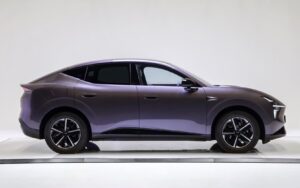
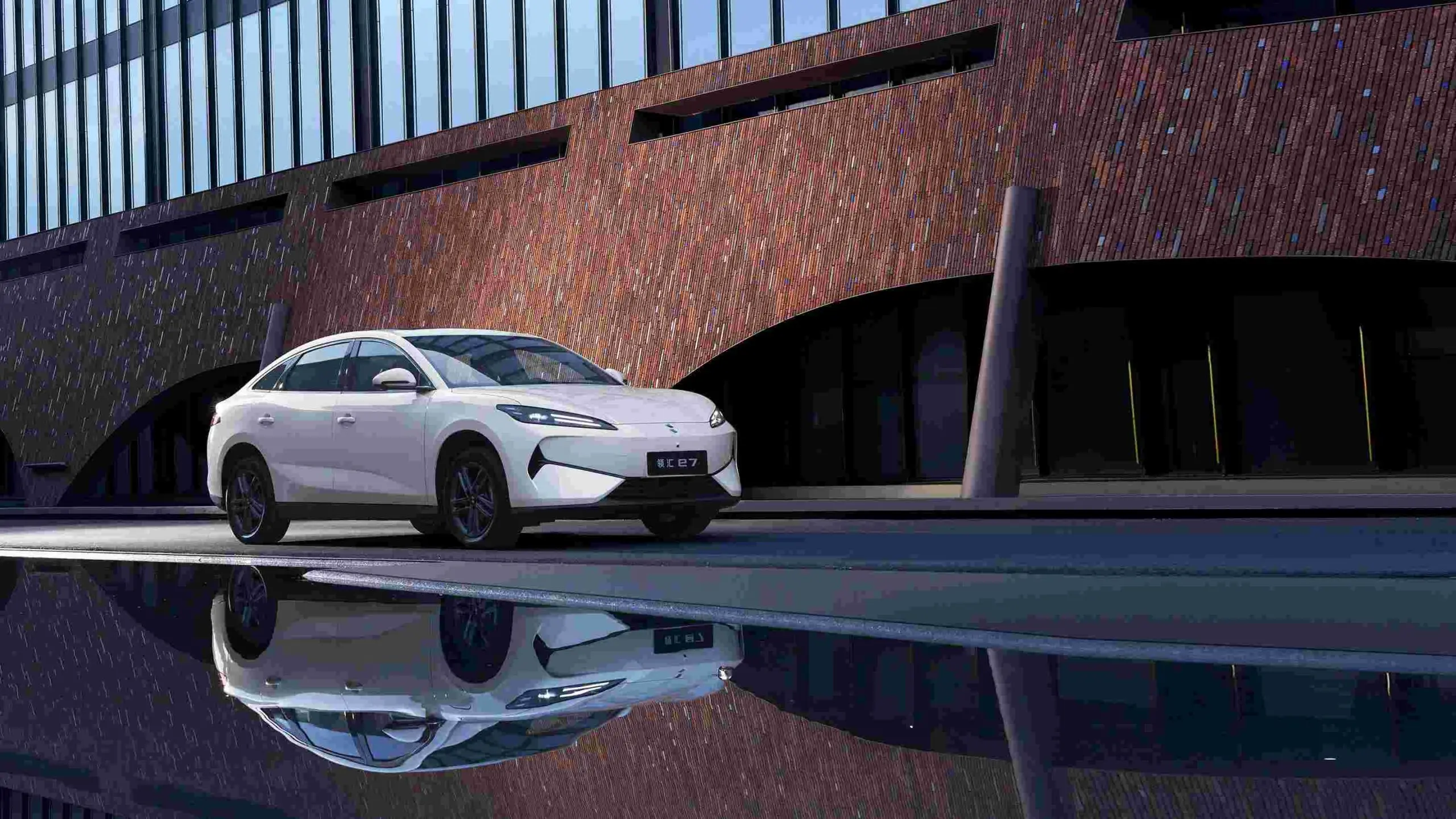
BYD, the world’s fastest-growing car company, is continuing to bring new models to market in multiple new segments, with the latest being an affordable model for the ridesharing industry under its recently introduced Linghui brand.
The new e7 sedan comes with multiple new editions, including the company’s 5-minute Flash Charging tech, a new Blade Battery, and all for under $A22,600.
The e7 lineup will actually start at under $A20,000 but has its Flash Charging-enabled models starting for a bit more, saving ridesharing drivers a significant amount of time when stopping to charge.
As mentioned, it would be one of the most affordable models from the company with capabilities of charging from 10-70% in just 5 minutes using the company’s latest Flash Charging technology, unveiled last month.
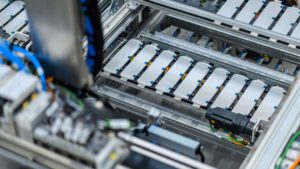
The new charging tech is made possible by Lithium Iron Phosphate (LFP) battery packs, which retain the safety credentials of BYD’s Blade Battery tech while now supporting charging speeds of up to 1,500 kW at the company’s Flash Charging sites.
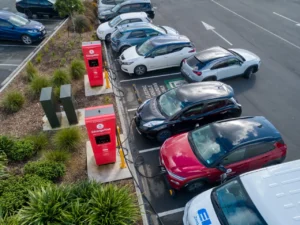
Speaking of the deployment, BYD is currently deploying these sites at a rapid pace. Latest data shared by the company shows over 5,000 active charging stations in hundreds of cities across China, with a target to reach 20,000 commissioned charging bays by the end of the year.
According to reports from local media, the new e7 has an introductory incentive of 1-year free Flash Charging, helping fleet and ridesharing companies try out the tech in the first 12 months.

Getting back to the specs of the model, it comes in at a length of 4,780 mm, which is slightly smaller than the Seal sedan sold in Australia.
The new car features the same large 15.6-inch infotainment screen behind the steering wheel as many BYD owners have today.
A 50 W wireless phone charger is also seen in the centre console, and, like many of BYD’s latest cars, the inside now features the gear shifter relocated to the steering wheel.
Powering the new sedan are two rear-mounted motor options delivering 100 kW and 130 kW, respectively.
The single-motor powertrain is powered by BYD’s second-generation blade batteries, which come in capacities of 51.3 kWh and larger 61.4 kWh packs that feed the motor.
Range-wise, the e7 EV will have an NEDC range of 450-550 km, likely over 380-480 km on the WLTP test cycle.
Having experienced the previous generation of the BYD e7 as a Didi on a recent trip to China, it really is a Toyota Corolla rival, but with a much more refined ride, space, and, of course, an EV drivetrain.
We look forward to seeing the Linghui e7 model in person in China in the coming months, as it’s one of the several vehicles from BYD that would change the rideshare industry in China and has implications across the globe to help reduce transport emissions while offering drivers the convenience of Flash Charging.