Source: Renault
It’s been a while since Renault last had a proper crack at the Australian electric car market, and even longer since the last Scenic was released here (back in 2010).
In 2017 the Renault Zoe arrived early, left quietly, and never really became part of the conversation. Now, nearly a decade on, Renault is back with the Scenic E-Tech.
On paper, the Scenic E-Tech ticks most of the right boxes. The long-range version gets an 87kWh battery and up to 625km WLTP range, paired with a 160kW motor driving the front wheels, and 0–100km/h comes up in 7.9 seconds. Charging peaks at 150kW DC, which is perfectly respectable and to be fair more than you’d get at most public chargers currently available.
Renault is bringing the Scenic to Australia with vehicle-to-grid (V2G) capability. It’s a refreshing move from Renault with many brands still keeping their V2G cards close to their chest as they ponder the potential impact on its batteries and as a result, warranties.
It’s a feature that has attracted a lot of attention and has been talked about for years but rarely delivered in a way that actually feels usable. In theory, it allows the car to send power back to the grid or your home, turning it into something closer to a mobile battery than just a means of transport.
Of course it still depends on infrastructure, energy providers and regulation catching up. Renault say that hope to see V2G being usable within the next 12 months.
Does the Scenic look good? Beauty is in the eye of the beholder. To me the exterior looks recognisably Renault, which is refreshingly different to so many of the electric SUVs you see on Australian roads.
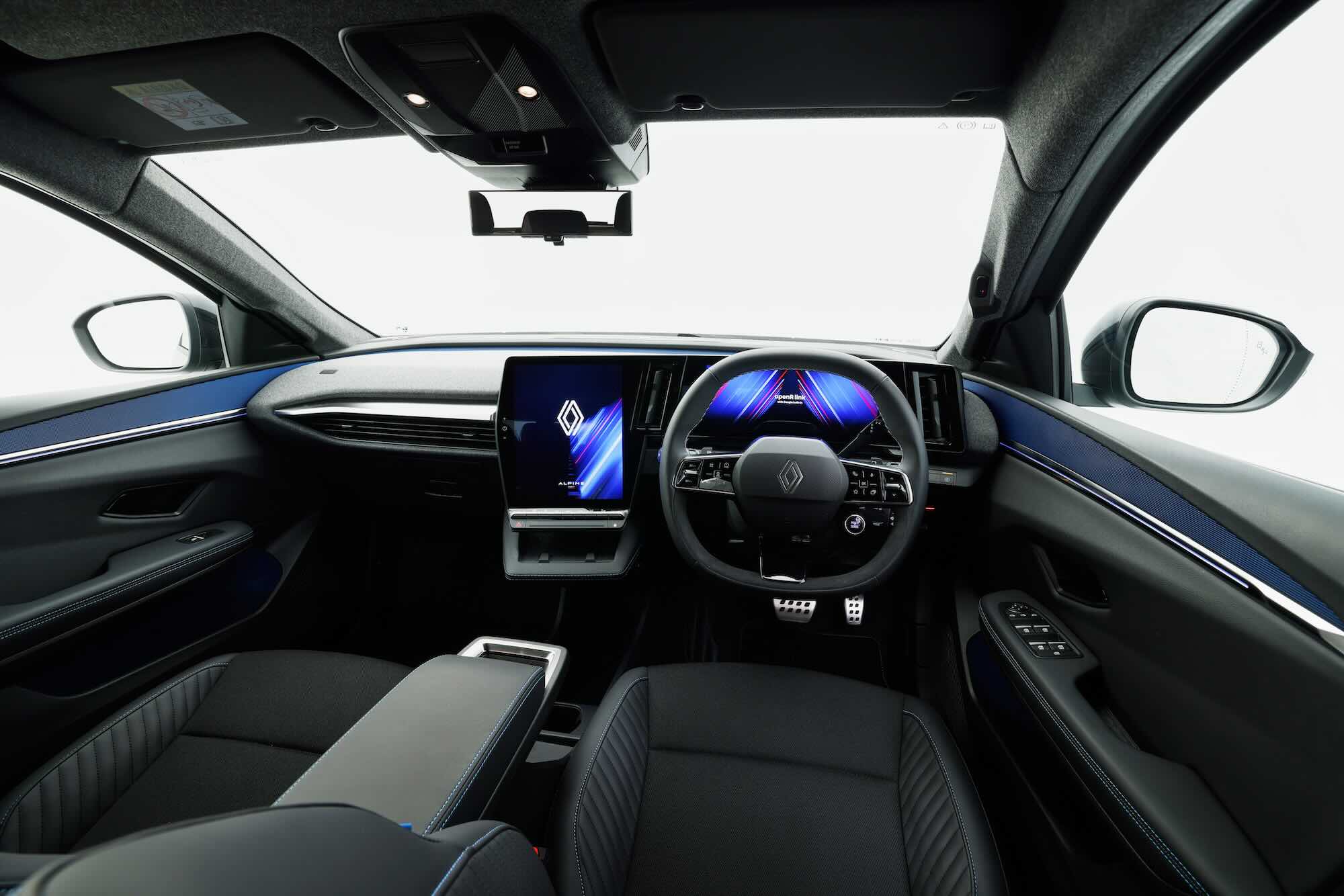
The interior also stands out from others, maintaining it’s distinctive Renault personality with a 12-inch vertical touchscreen with Google built-in, which means the infotainment system is actually good. The materials, meanwhile, lean heavily into recycled fabrics and softer finishes. It’s thoughtful, and environmentally on-message.
Some climate control physical buttons at the bottom of the vertical screen are a welcome addition in a world where buttons are increasingly difficult to find. It’s got a sense of personality which sets it apart from the almost stock-standard minimalist and button-less cabin found in many EVs.
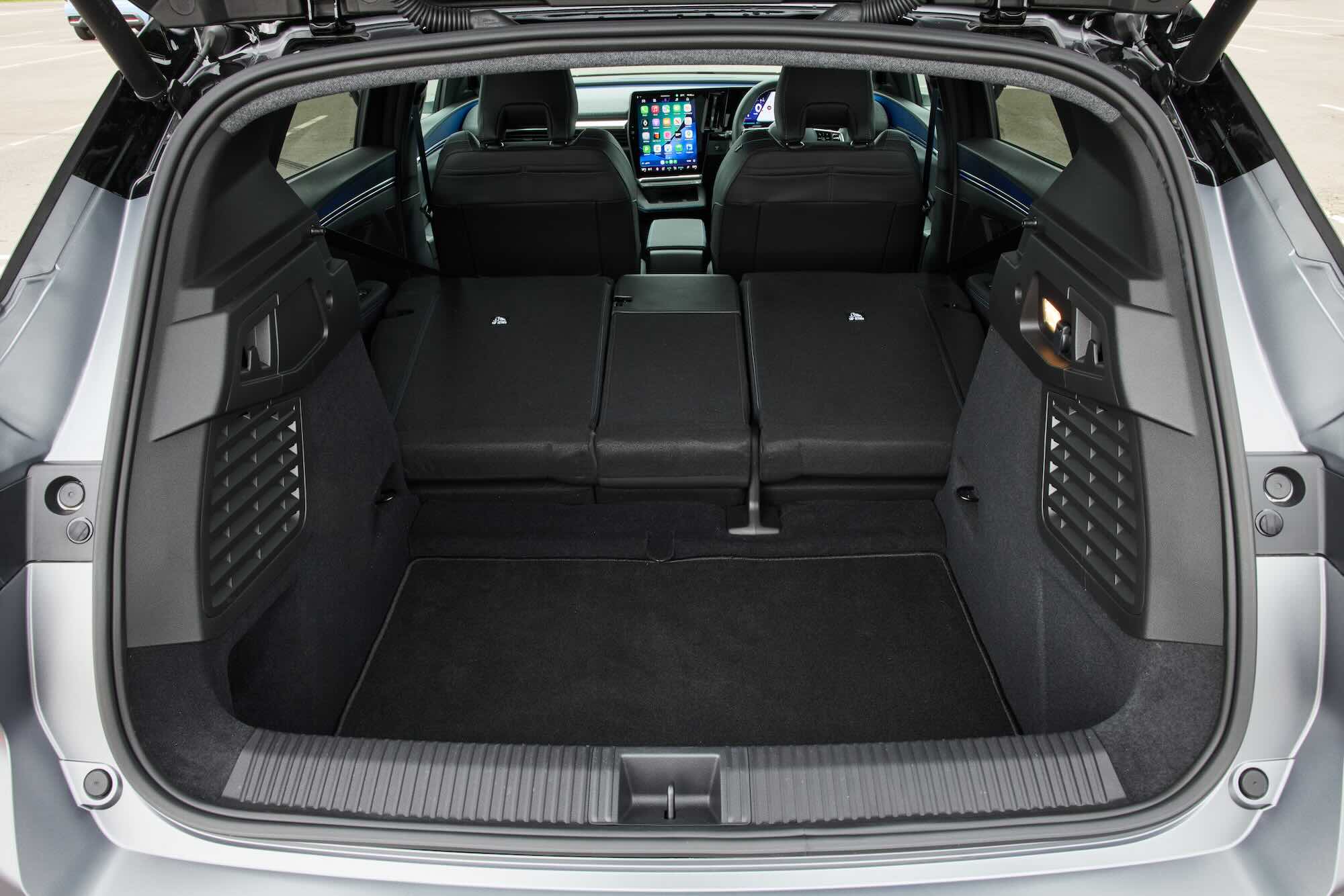
Practicality is really where the Scenic E-Tech shines. The 545-litre boot is properly usable, the rear seats are spacious, and there are small touches throughout that suggest someone actually thought about how families use these things.
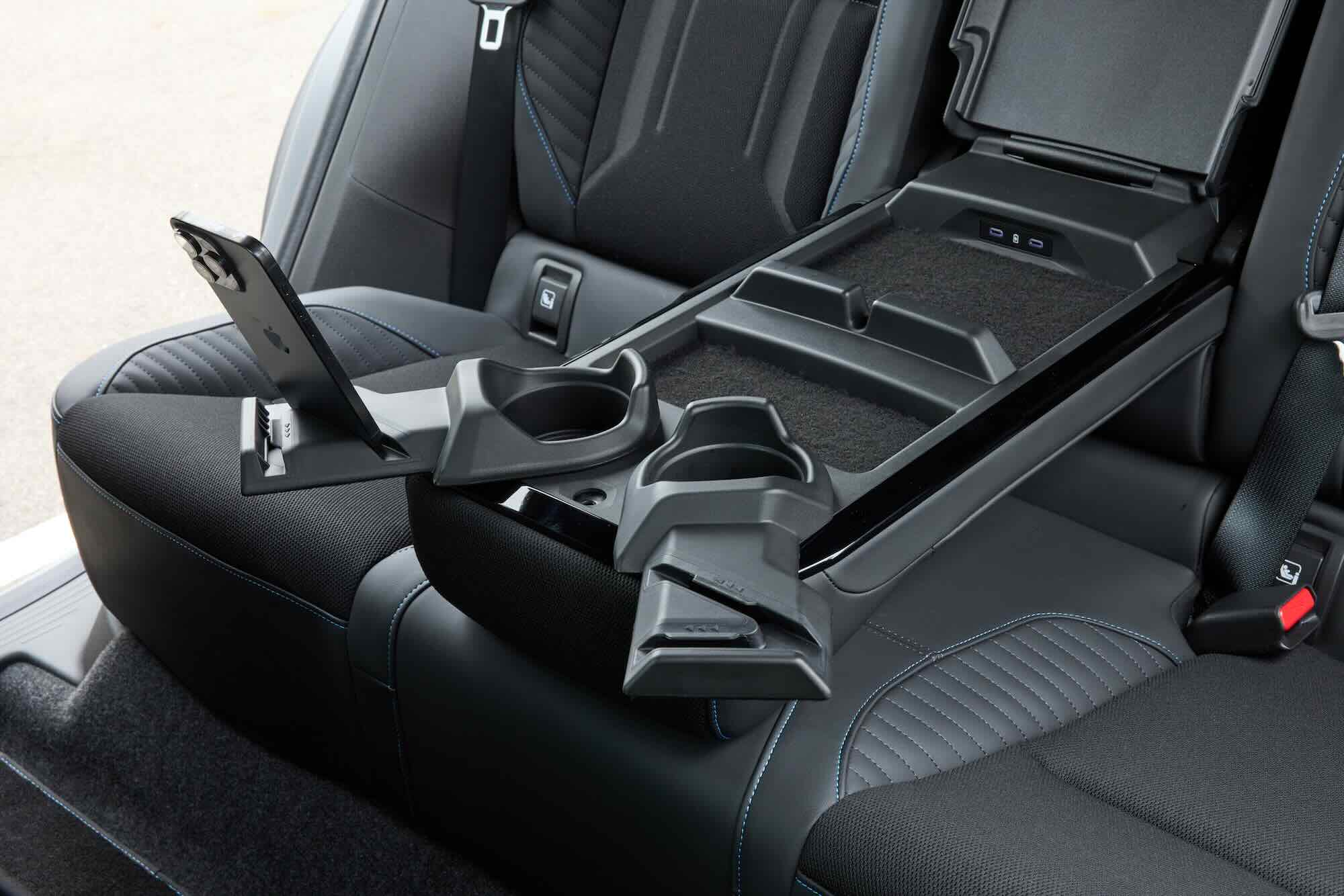
The rear armrest, for example, folds down into what can only be described as a small command centre for children, with clever storage and rotating cupholders that also allow you to slot in your phones so you can watch hands free.
To drive the Scenic E-Tech is calm. Very calm. The ride is soft enough to deal with city roads, the steering is light but responsive, and the overall experience is extremely easy to live with. It’s the sort of car you can drive for hours without noticing, which may be a good or bad thing depending on what you want our of your vehicle.
Curiously, all three variants come as a front-wheel drive, which feels like a slightly odd omission in a segment where AWD is becoming increasingly common. Most people won’t notice, but pay close enough attention and you can feel the limits of front-wheel drive under harder acceleration, particularly compared to dual-motor rivals.
The pricing puts it in direct competition with some very strong alternatives, which makes the decision less straightforward. Starting at $55,990 + on roads and going up to $65,990 plus on-roads, it’s definitely priced to compete, just not necessarily dominate.
To Renault’s credit, though, the local pricing feels relatively sharp when viewed in a global context. In the UK, for example, the Scenic E-Tech starts at just under £37,000, which works out to more than $70,000 in Australian dollars. Seen through that lens, Australians are getting relatively great value for the Scenic E-Tech.
It’s a car you can sense is very considered and deliberate. As an example, Renault got French composer Jean Michel Jarre to compose the pedestrian warning sound emitted at low speeds. Other touches like the french flag on the front seats in the top-spec are perhaps inconsequential, but show a level of detail that feel reassuring.
In a highly competitive segment, Renault appears to be banking on a different kind of appeal. The Scenic doesn’t feel as ambitious or attention-grabbing as some of the EVs coming out of China, but it does lean into something more familiar – a sense of reliability, usability, and a character that feels distinctly Renault, from a brand with more than a century of history behind it.
The challenge, though, is that while most Australians will recognise the name, Renault’s relatively limited presence locally makes it a harder sell than the badge alone might suggest. European engineering and brand heritage form a big part of the pitch here, the question is how many buyers will actually be persuaded by it.
Sam is Chief Operating Officer for Renew Economy and EV Media. Sam has been working with Renew Economy and One Step Off The Grid since 2014 and with The Driven since its inception in 2017. Sam is also the host of The Driven Podcast.
The war in Iran underlines how fossil fuel addiction makes Australian road freight vulnerable. As…
Jay Leno gets behind the wheel of the upgraded Tesla Semi as the company shares…
Auctioneer says interest in second-hand EVs has more than doubled as a result of surging…
In this review, Sam is joined by "Toyota Tanya," a lifelong Toyota driver, to put…
Volkswagen to recall nearly 100,000 battery electric vehicles due to issues in high-voltage battery which…
MG to bring a fully electric ute model into Australia, with 325 kW power, adding…
Looks great. Not sure if people care about V2G anymore given the battery rebates that exist. I have seen only a couple E-Techs going around. This deserves to do well though! Gives me French EV6 vibes!