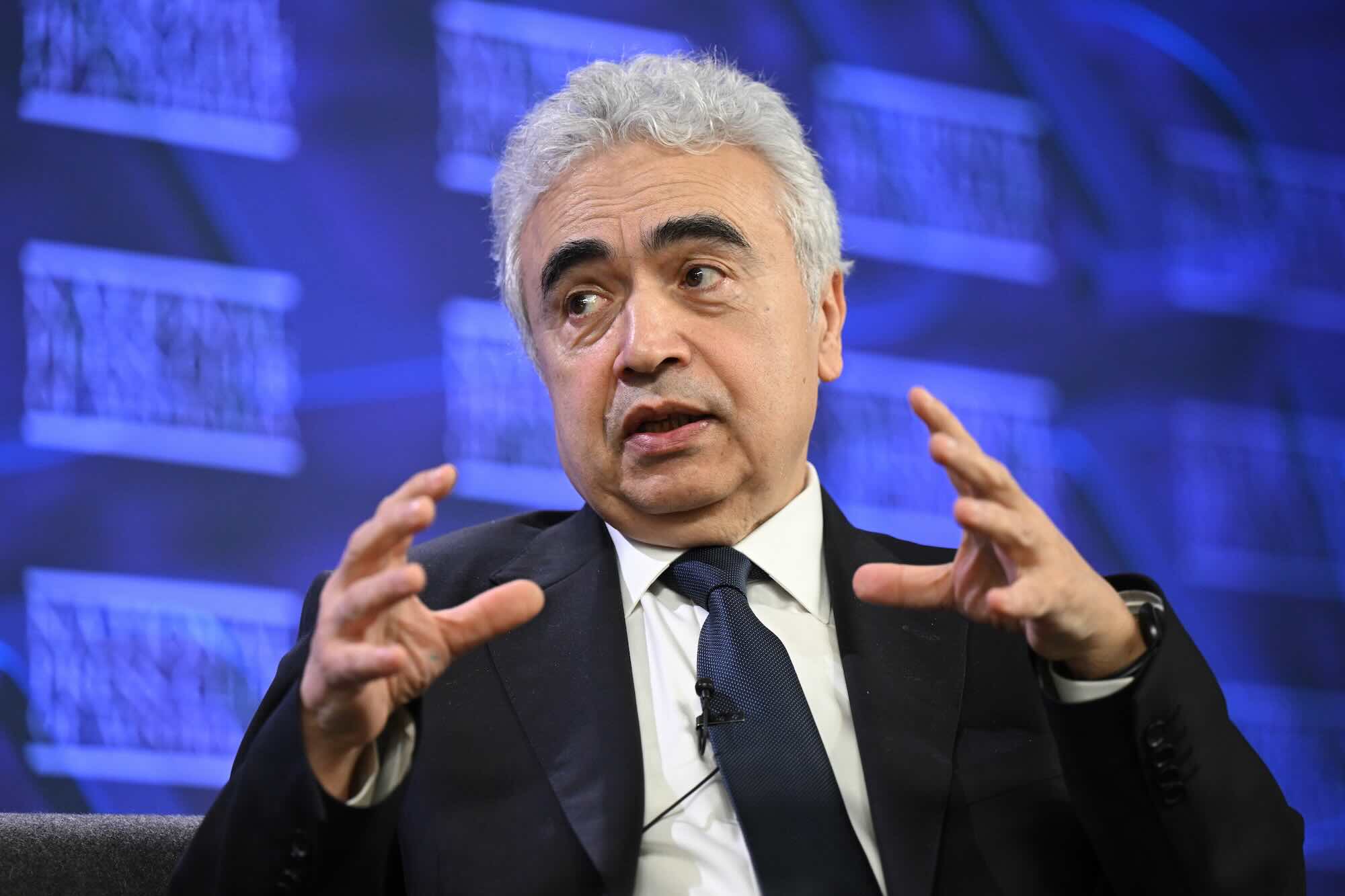
The amount of oil lost already during the Iran war is equivalent to two price shocks in the 1970s, but the rise and rise of electric vehicles along with renewable energy means, this time, the world can weather it, says International Energy Agency (IEA) chief Fatih Birol.
Some 5 million barrels of oil a day were cut from supplies during two oil price shocks in the 1970s, which sent the world into recession, Birol said during a National Press Club interview on Monday.
But IEA estimates are putting the damage from the latest conflict at 11 million barrels a day.
The policy response in the 1970s was to mandate better fuel efficiency for cars and support the rise of nuclear power – some 40 per cent of the current plants were built as a response to those shocks, Birol says.
“This time, we will see the same or similar responses,” Birol says.
“And one of them, in my view, will be in the transportation sector [with the] further and further push for electrification.”
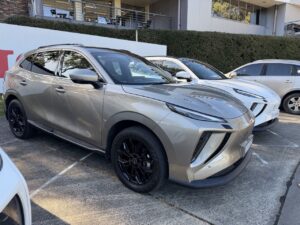
“Five years ago, only 5 per cent of the cars sold in the world were electric. And last year, 25 per cent of all the cars sold were electric.
“I expect in Australia and other parts of the world we will see further electrification of the transportation sector.”
He urges Australians to be “very, very proud” of what the country has achieved with solar and home batteries and says “not every country needs to be [a] nuclear power.”
The future instead will be electric.
“We will see some advancements… to further push some technologies” Birol says.
“We will see a major transformation of the automotive sector…. We will still use gas, natural gas. We will still use oil, and in my view, we are going to use energy much more efficiently than today.”