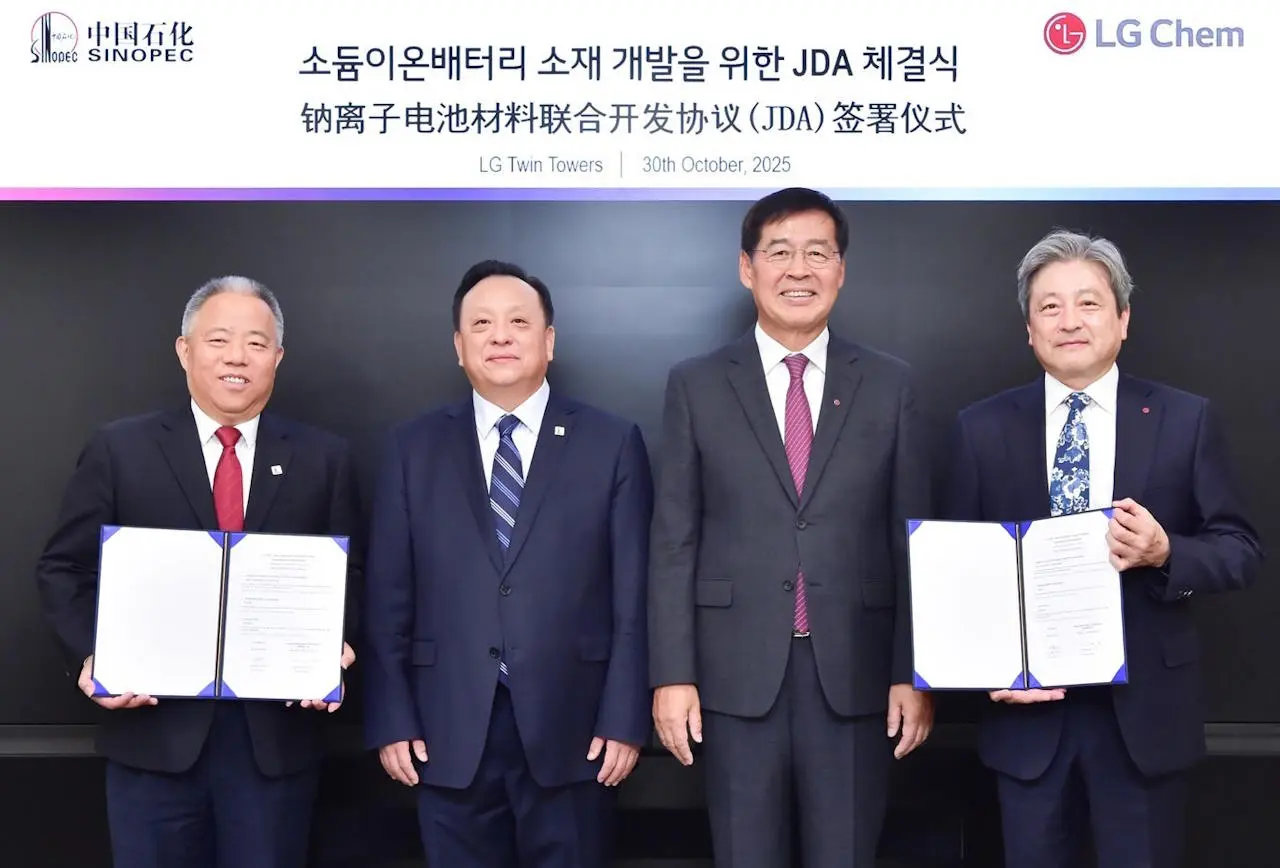
The China Petroleum & Chemical Corporation, better known as Sinopec, and Korean chemical company LG Chem have announced plans to partner in the development of key materials for sodium-ion batteries.
The two companies say they will target the development of cathode and anode materials for sodium-ion batteries, targeting applications in energy storage systems and low-speed electric vehicles (EVs) across China and global markets.
Sodium-ion battery technology boasts a raft of significant advantages over the more traditional lithium-ion battery technology. The abundance of sodium also means that sodium-ion batteries can boast a lower cost per kilowatt-hour compared to other battery technologies.
Sodium-ion batteries also deliver other technical advantages such as higher energy density, improved safety, and better performance in extreme temperatures.
Reliability and performance have served to hamstring the technology, but recent efforts have gone a long way to addressing a number of the biggest issues – including an October study which could potentially improve stability and another recent study that posited performance improvements.
The world’s biggest battery maker, CATL, demonstrated the increasing trust in sodium-ion technology when it announced it would begin mass production of its own sodium-ion battery by the year’s end.
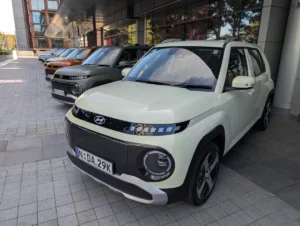
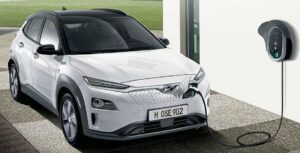
Another benefit of sodium-ion batteries is its performance in low-speed EVs, smaller electric cars that are often designed specifically for urban use with a limited top speed.
Despite the limitations, low-speed EVs nevertheless possess their own demands: They often need to stop and start more often and must be able to operate for long periods of time and in a variety of weather conditions.
Traditional battery chemistries struggle to deliver on these requirements, however, as these batteries are often heavier, have a more limited cycle life, are expensive, and can struggle in certain weather conditions.
Sodium-ion batteries, on the other hand, are capable of answering each of these challenges and more, maintaining better capacity retention under low-temperature conditions and improved thermal stability, as compared to lithium-ion batteries
All this explains why China is expecting its market for sodium-ion batteries to grow from 10-gigawatt-hours (GWh) in 2025 to 292 GWh by 2034, according to industry research Sinopec quoted in its press release this week.
Representing an annual average growth rate of approximately 45 per cent, China is projected to account for over 90 per cent of global sodium-ion battery production by 2030.
“Sinopec is dedicated to building a world-leading clean energy and chemical company and becoming a major supplier of clean energy and advanced chemical materials,” said Hou Qijun, chairman of Sinopec.
“This strategic cooperation with LG Chem on sodium-ion battery materials will further strengthen both parties’ technological capabilities and market competitiveness, while contributing to the global energy transition and sustainable development.”
“As a global leader in battery materials, LG Chem has consistently provided differentiated solutions to customers in the electric mobility market,” added Shin Hak-Cheol, CEO of LG Chem.
“Through this partnership with Sinopec, we will jointly advance the development of next-generation battery materials and continue to reinforce our business portfolio in alignment with our customers’ future strategies.”