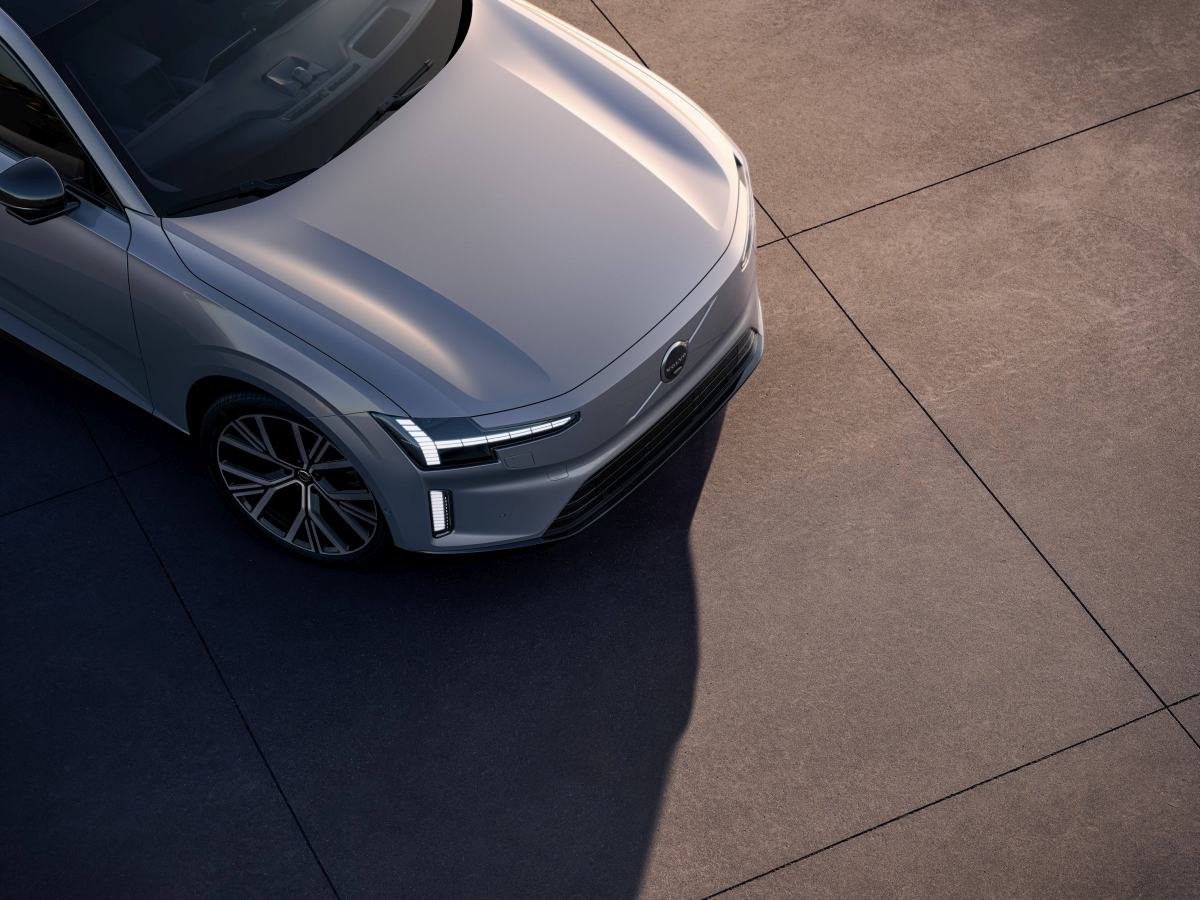
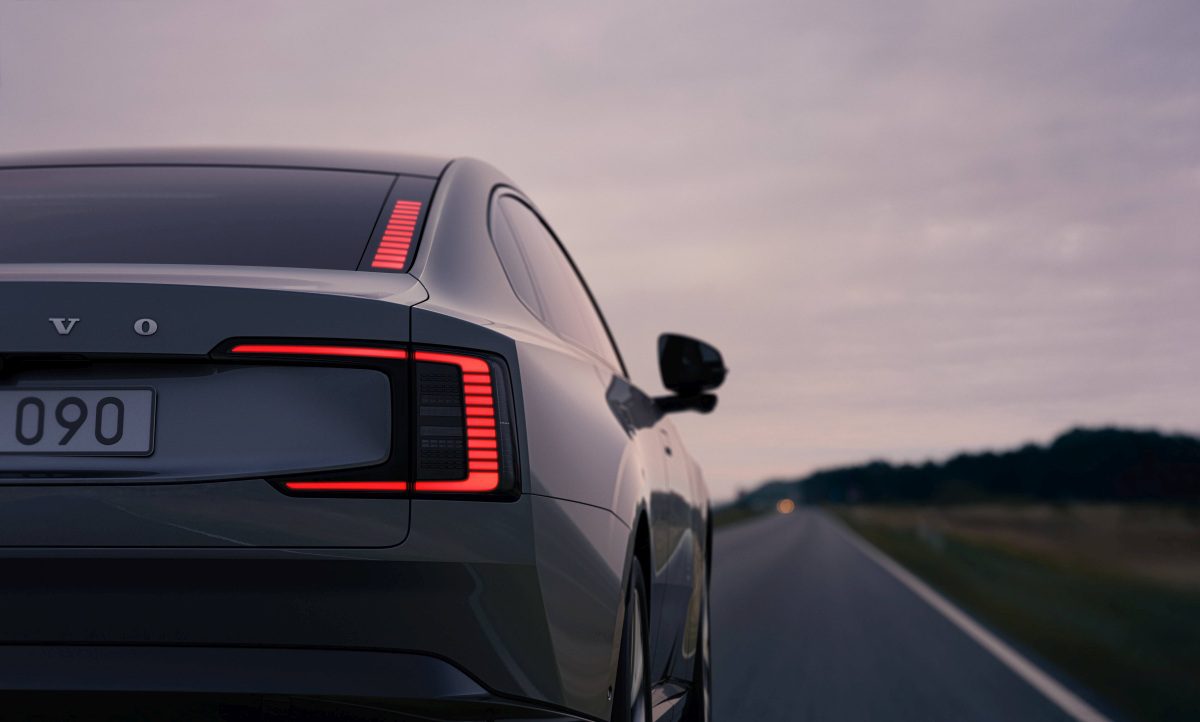
Volvo has announced the pricing and key specifications of its first-ever electric sedan – the ES90, a large, sleek-bodied car with a more practical liftback boot.
The ES90 will be available in two variants, starting with the Plus Single Motor entry-level priced from $88,880 before on-roads. The Ultra Single Motor variant bumps that up to $107,990.
This will also be Volvo’s first car equipped with 800 V architecture and brings with it longer range and charging speeds than any previous electric car from the brand.
On top of that, it will include some of the latest computing tech that Volvo has to offer.
“The Volvo ES90 combines our most advanced technologies with Scandinavian design and superior comfort, creating a true premium Volvo car designed to elevate your quality of life,” said Stephen Connor, the managing director of Volvo Car Australia.
“It joins the EX90 SUV as one of our flagship models and cements our position as an industry leader in software-defined cars that harness the power of core computing.”

The 800 V battery tech, which is built on the company’s SPA2 architecture with OTA updates, helps the ES90 charge with up to 300 km of range in 10 minutes at a 350 kW charger, and it comes with a WLTP range of 554 km on a single charge.
Although the local battery capacity is still unknown, in other markets, the battery capacity of 92 kWh is spotted on the single motor ES90 models.
Local powertrain specifications are yet to be revealed but we can expect over 200 kW of power from the motor to the rear wheels, given even the EX30 SUV features a 200 kW rear motor.
The liftback boot offers 424 litres of space and with the seats up, once folded, it expands to 733 litres. There is also a frunk with 22 litres of space to store charging cables.
The inside features a large 14.5-inch touchscreen for the infotainment unit. This is powered by Google built in, making access to Maps and other applications a lot easier.
A 360-degree camera is also available, helping navigate those tighter carpark spots at the local shops or when parking.

There is also a 9-inch driver display as well as a heads-up display, which would be welcomed by many owners.
For music enthusiasts, there is a Bowers and Wilkins 25 speaker sound system, which is there to deliver an immersive sound experience to driver and passengers, which would be found on the Ultra variant.
On safety, the ES90 has a good amount of safety features, which include a strong safety cage with restraint systems that also have optimised deformation zones.
This system comes equipped with one LiDAR, 5 radars, 7 cameras and 12 ultrasonic sensors, making it one of the safest cars Volvo has ever produced.
This system can help see small objects that are hundreds of metres away, helping the car and driver avoid or make informed maneuvers. There are also door opening alerts as the car looks out for approaching cyclists or pedestrians.
On the inside, there is also cabin occupant sensing tech, which helps avoid leaving anyone inside the car.
Release date and full specifications are expected to be announced closer to the EV’s local launch.
The ES90’s pricing appears to be in line with what you’d expect from a large premium electric sedan. It’s likely to compete with the Polestar 4 and higher-priced BMW i5 when it lands, helping bring more sedan options into the market.

With a liftback boot with loads of space, a sleek design that is backed by the renowned Volvo badge, it’s likely to be a well-received luxury electric model in the Australian market.
Key Volvo ES90 features
- 4 Zone Climate Control
- Air Purification
- Humidity Sensor
- Heated Wiper Blades
- Heated Steering Wheel
- Electric Child Lock Alarm
- Door Opening Alert
- Digital Key Plus
- Key Card
- Heated Front Seats
- Heated Rear Seats