In April, it was reported that the first 9,000 units of BYD’s smallest EV, the Seagull hatchback, were on their way to Europe ahead of the official launch on the continent. Those electric hatchbacks were sent off from a port in Shanghai on board two RoRo vehicle carrier ships.
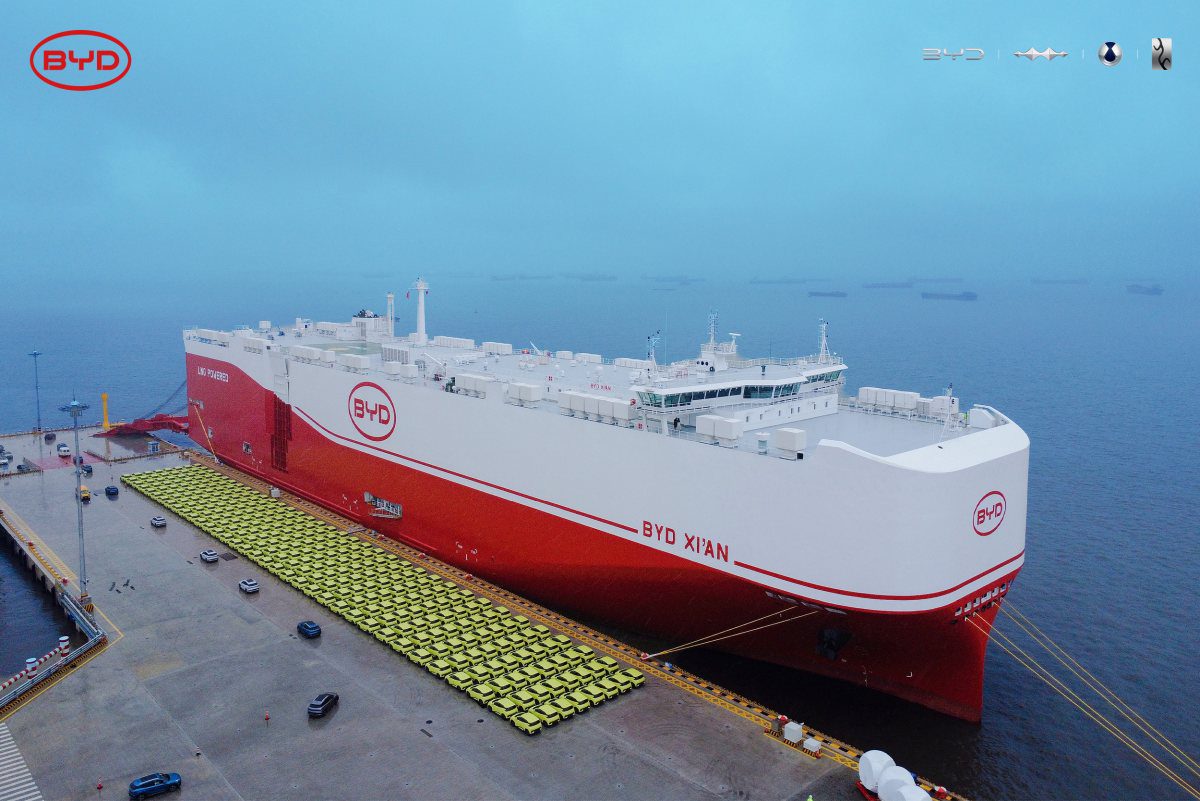
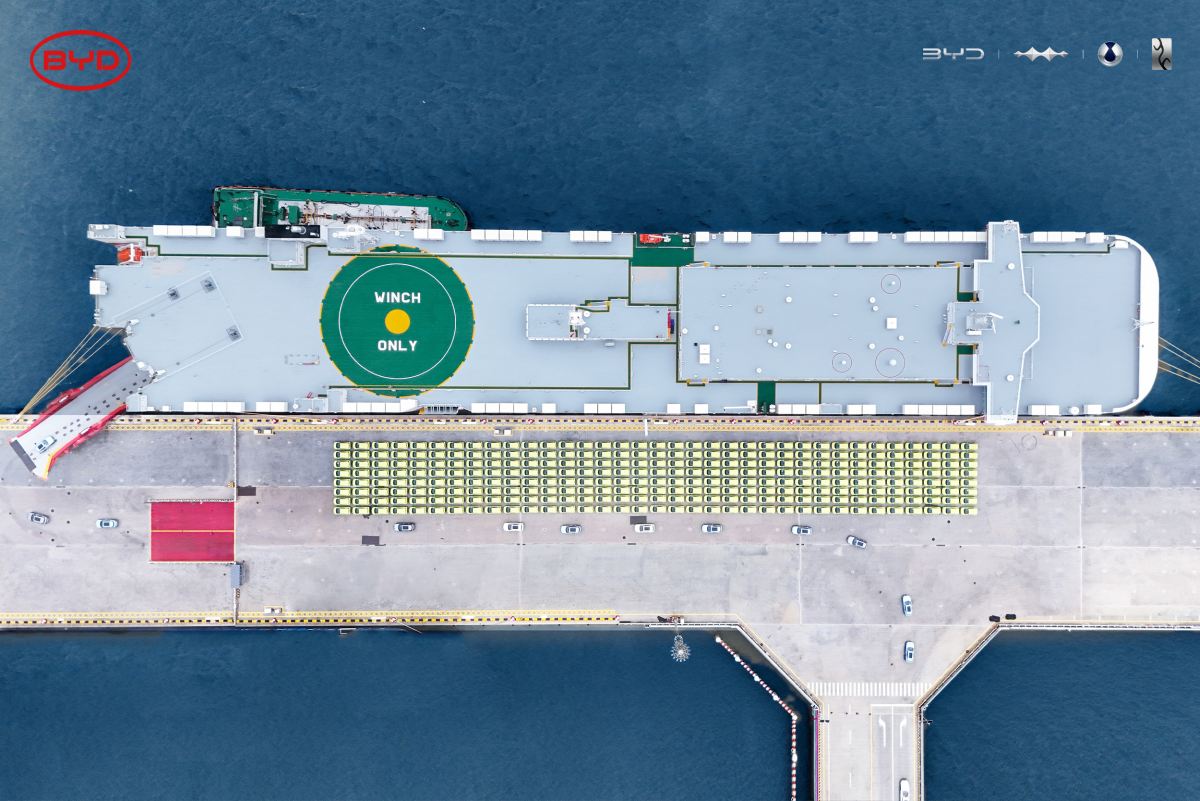
Now, the brand has unveiled a new RoRo ship, which it calls the BYD Xi’an, which will do its maiden voyage to Europe, carrying around 7,000 NEVs.
The new ship will be taking thousands of BYD Dolphin Mini hatchbacks, which in the local Chinese market is known as the BYD Seagull model, as well as the Sealion 6 SUV.
In a post on BYD’s Weibo account, the company shared this update, which included the countries this ship is expected to dock at. The translated post said: “Going to Europe! About 7,000 new energy vehicles are boarding BYD’s “Xi’an” and will go to the UK, Italy, Spain, Belgium and other countries.”
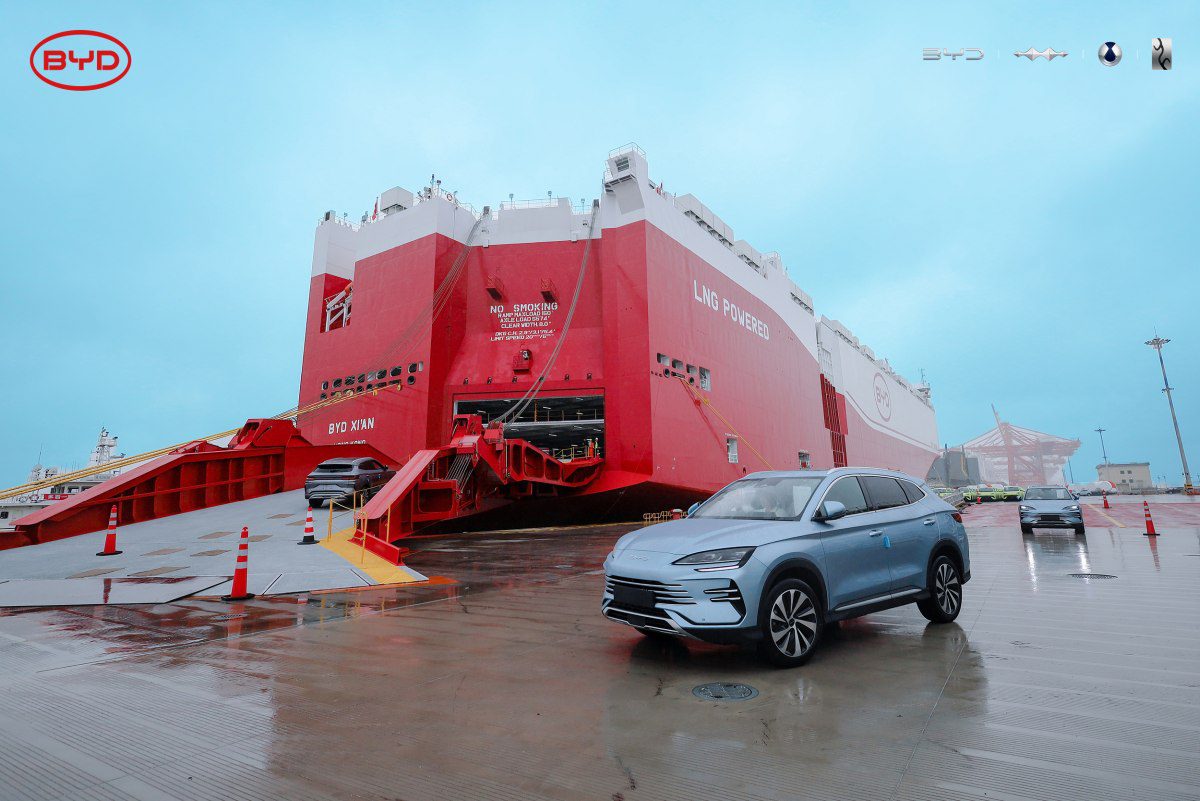
With the UK on the list of countries, the ship will also have right-hand-drive vehicles on board, some of which could be models that may head to other countries like Australia and New Zealand, if they are not already in the company’s local lineup.
The newest Xi’an vessel has the capacity of around 9,200 vehicles, making it one of the larger RoRo vehicle carrier ships in the world.
BYD aims to have a fleet of eight vessels, which will help the company deliver to multiple international markets, to achieve a shipping capacity of one million NEVs per year by next year.

With BYD’s global expansion plans well underway, 2025 will be the biggest for the company as it aims to hit over 5 million sales, up from 4.27 million in 2024.
Locally, the company currently offers half a dozen models and appears to be adding around two new models per year to its growing lineup.
Its most popular car in recent times has been the Shark 6 PHEV ute, which it launched at the end of October 2024.
That ute has around 100 km of EV-only range and came to the market with a lower-than-expected pricing – $57,900.
Since then, the company has delivered thousands of these utes and has shown a clear shift from diesel utes towards electrification.
By January, BYD offered Australia’s lowest-cost EV, starting at $29,990 with its BYD Dolphin hatchback, in a new EV price bombshell. That helped it gain quite a bit of momentum around the Dolphin and its other products.
Then in February this year, it also launched the Sealion 7 SUV, which has already seen it climb the sales charts into the top 5 best-selling EVs in the country this year.
With quite a promising lineup of vehicles, such as the Atto 2, the company’s most affordable SUV, set to launch in Q4, it’s only going to grow the interest around its EVs, meaning more shipments and sales to our market too.

Perhaps this could mean a vessel like Xi’an docking at ports around Australia, carrying thousands of NEVs, in the coming years, taking away from the ICE sales across the country.