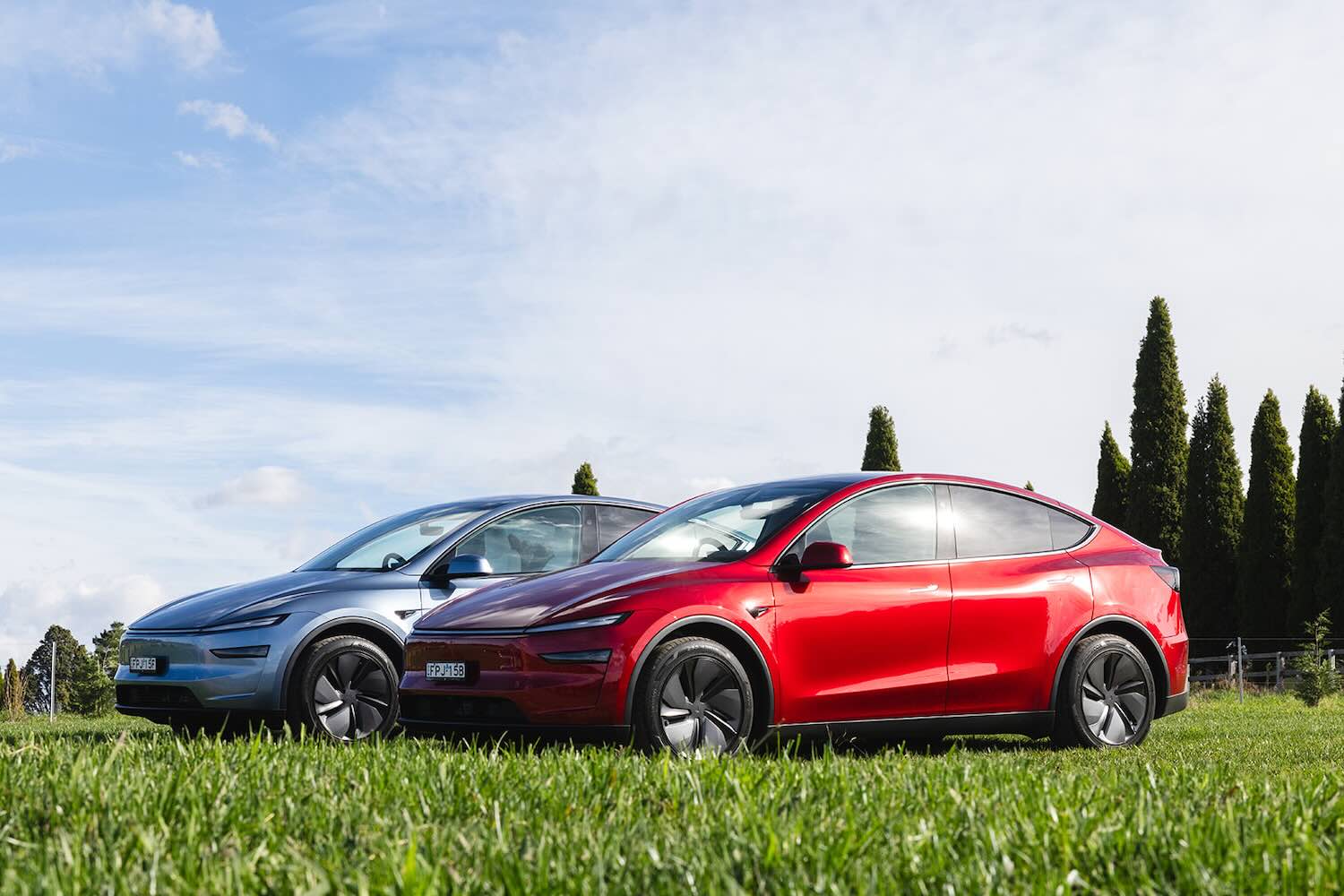
At the end of last week, the first deliveries of Tesla’s new Model Y began in Australia, with thousands more to follow in the coming months. All of these Australian-bound Teslas are made at the company’s GigaShanghai plant, the world’s most productive car factory.
News has emerged that the GigaShanghai plant has completed the production ramp-up of the Model Y, which has been the world’s best-selling car for two years straight.
The ramped up production will allow the company to produce over 60,000 Model Y’s every month, or about 15,000 a week.
According to Tesla’s Weibo account, its Shanghai Super Factory has completed the new Model Y production capacity ramp-up within 6 weeks, setting a record for the company’s fastest model production speed.
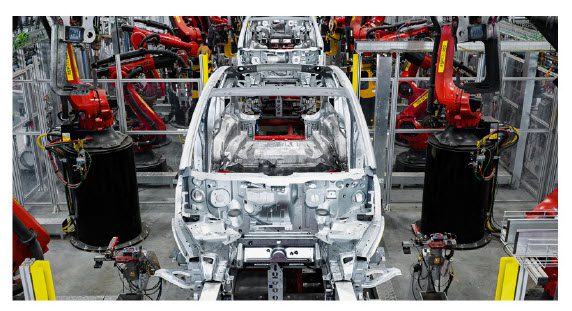
This is a pretty impressive achievement given the number of updates required to the new model’s exterior and interior, as well as the implementation of multiple new manufacturing techniques underneath the skin to provide additional structural rigidity and improve cabin noise.
On top of that, aligning suppliers to ramp up their production accordingly and deliver new parts on time at scale will also be part of this ramp up to ensure the cars are produced efficiently.
In March, key details of Tesla’s Shanghai plant’s production rate were revealed. In an interview, Sandy Munro, a vehicle manufacturing expert, did with Lars Moravy, Tesla’s vice president of engineering, said: “Shanghai, you know they are running two lines for the Model Y now, they’ve got to be closer to 35 seconds,”.
This makes Tesla’s Shanghai factory the most productive car factory in the world.
In the same month, Tesla CEO Elon Musk dropped a bombshell on the company’s manufacturing capabilities by revealing that the company’s upcoming Cybercab robotaxi will roll off the production line every five seconds.
At the meeting broadcast on X, Musk answered a question from a Tesla staff member about an update on the Cybercab by saying: “Cybercab is not only a revolutionary car design but it’s also a revolutionary manufacturing process,”.
This hints at Tesla’s manufacturing capabilities only improving with time, especially in future vehicles where there will be less parts, such as the Cybercab.
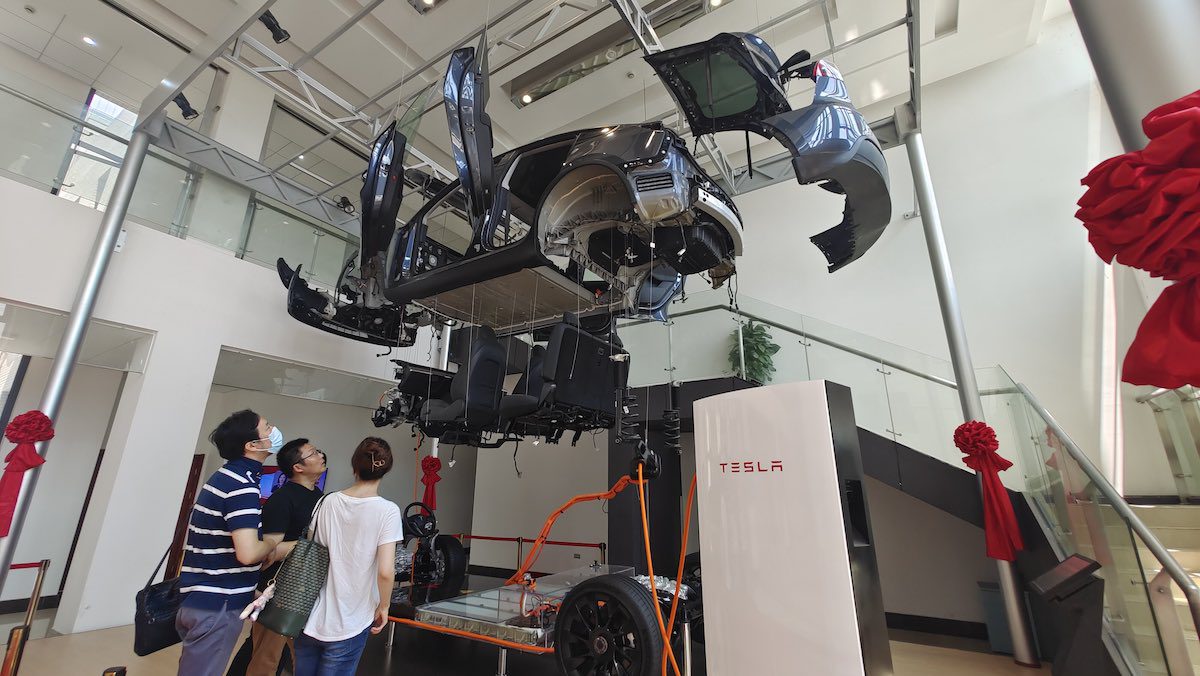
On parts reduction, an engineer on the Cybercab robotaxi program revealed that the total structural parts count in the Cybercab would stand at roughly 80 when compared to the Model Y, which has around 200 parts.
With Tesla’s focus on improving manufacturing plant efficiencies and increasing production, the latest ramp-up is essential as it gears up to produce hundreds of thousands of Model Ys in Shanghai for local and export markets.
That’s before the more affordable models, which will also use elements of the Model 3 and Model Y production lines, come to the surface in the coming weeks, requiring further ramp ups in production as the world transitions to cleaner EVs.