From the absurd – ‘EVs will ruin your weekend’ – to the ridiculous – ‘EVs can’t tow your boat’ – the anti-electric vehicle brigade is out and about rattling their chains.
We have debunked 19 EV myths for your read reference. Four of them are here. To see more, please go to our full story on the new SwitchedOn electrification section of our sister site RenewEconomy.
Myth 1: Electric vehicles have limited range and are impractical for long-distance travel
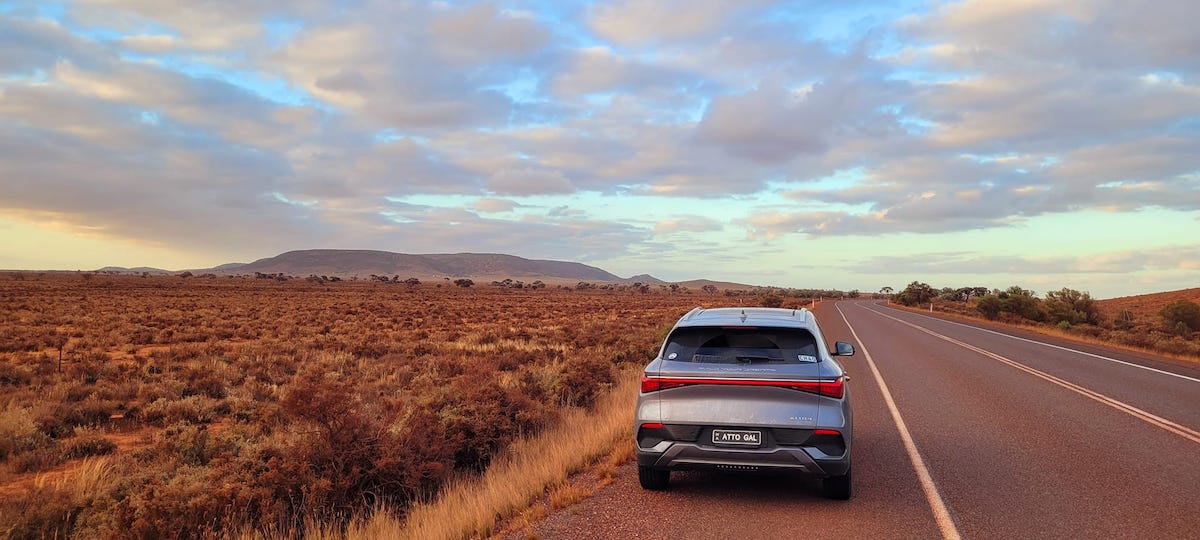
False. Modern electric vehicles have significantly improved range capabilities. The top of the range Tesla S can drive over 800kms on a single charge, and many mid range EVs now available in Australia can go over 300 kms. The expanding charging infrastructure also makes long-distance travel more convenient and feasible, and there’s always an ordinary power plug that can provide a trickle charge overnight.
Myth 2: Electric vehicles are more expensive than internal combustion vehicles
False. While the upfront cost of electric vehicles can be higher than traditional petrol and diesel vehicles, this myth overlooks the total cost of ownership. EVs have lower operational and maintenance costs. They require much less maintenance, no oil changes, and have lower fuel costs due to the cheaper price of electricity.
Myth 3: Electric vehicles are slower and less powerful than internal combustion vehicles
False. Electric motors have instant torque, provide quick acceleration and are more responsive. Numerous electric vehicles have demonstrated impressive acceleration and high top speeds.
Myth 4: Electric vehicles are not as safe as internal combustion vehicles
False. Electric vehicles undergo the same rigorous safety standards as other vehicles, and in many cases, they have additional safety features due to their design. Virtually all the EVs on the Australian market score 5 star safety ratings from ANCAP (the Australasian New Car Assessment Program). The battery packs in electric vehicles are built to withstand impacts and undergo extensive safety testing to ensure drivers and passengers are protected in the case of an accident.
See the original story on SwitchedOn for another 15 EV myths debunked.