Home Ā» EV News Ā» Australia’s cheapest electric vehicle is a 10-year-old Mitsubishi

Australia’s cheapest electric vehicle is a 10-year-old Mitsubishi

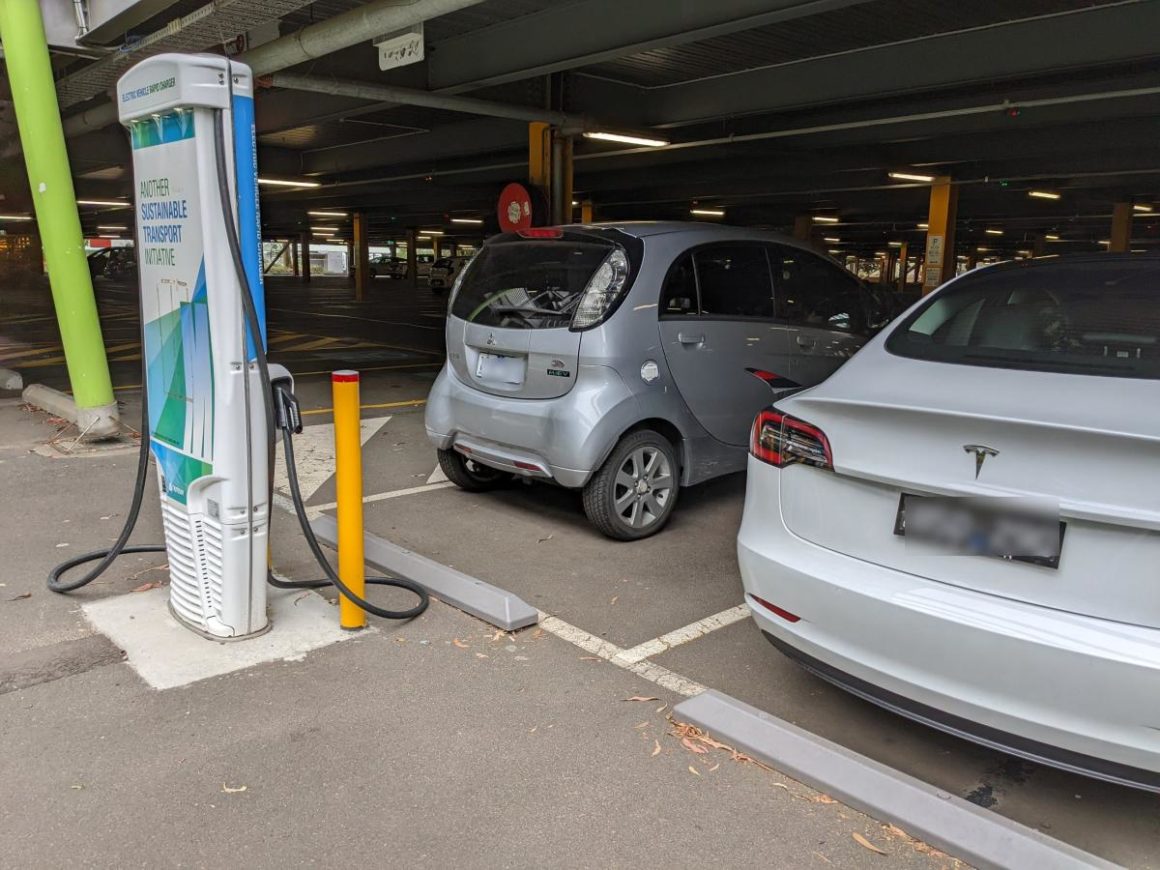
Mitsubishi MiEV Carpark
Image: Riz Akhtar

As an EV enthusiast, every now and then I would jump onto classified listings websites to have a look at the variety of electric vehicles on offer around the country.

This week I came across a much-forgotten EV by Mitsubishi that happens to be Australia’s cheapest, and probably one of the oldest.

A 2011 Mitsubishi i-MiEV is listed and priced – as at late November – at $17,990 drive-away with just a tad over 32,000km on the clock. It also happens to be the only Mitsubishi i-MiEV for sale in Australia.
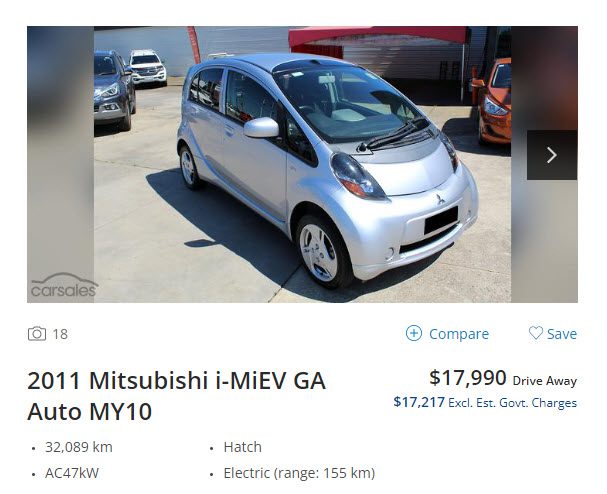
Image: Carsales
Image: Carsales

The story of the Australian-delivered Mitsubishi i-MiEV began even before the first Nissan Leaf arrived.Ā 

I remember when these were launched back in 2010, you could only lease them and this was my first experience behind the wheel of an EV. The lease in 2010 was $1740 a month over a three-year term.

I was fortunate enough to be an engineering intern at Bosch back then in Melbourne. Being an automotive innovation-driven company, Bosch had one of these Mitsubishi innovative Electric Vehicle (MiEV) on a trial that employees could get behind the wheel of.Ā 

It was so quiet and easy to drive around the streets of southeast Melbourne. The 3,500 mm long mini hatchback was powered by 47 kW motor that produces 180 Nm of torque.

With claimed 155 km of range, it was plenty to get around town. More realistically, it would get around 120 km which was still plenty from its original 16 kWh battery pack.

As recently as last year, a local electric car repairer launched i-MiEV battery upgrade to get it up 200 km of a real-world range which is great for the few that are still running around.Ā 

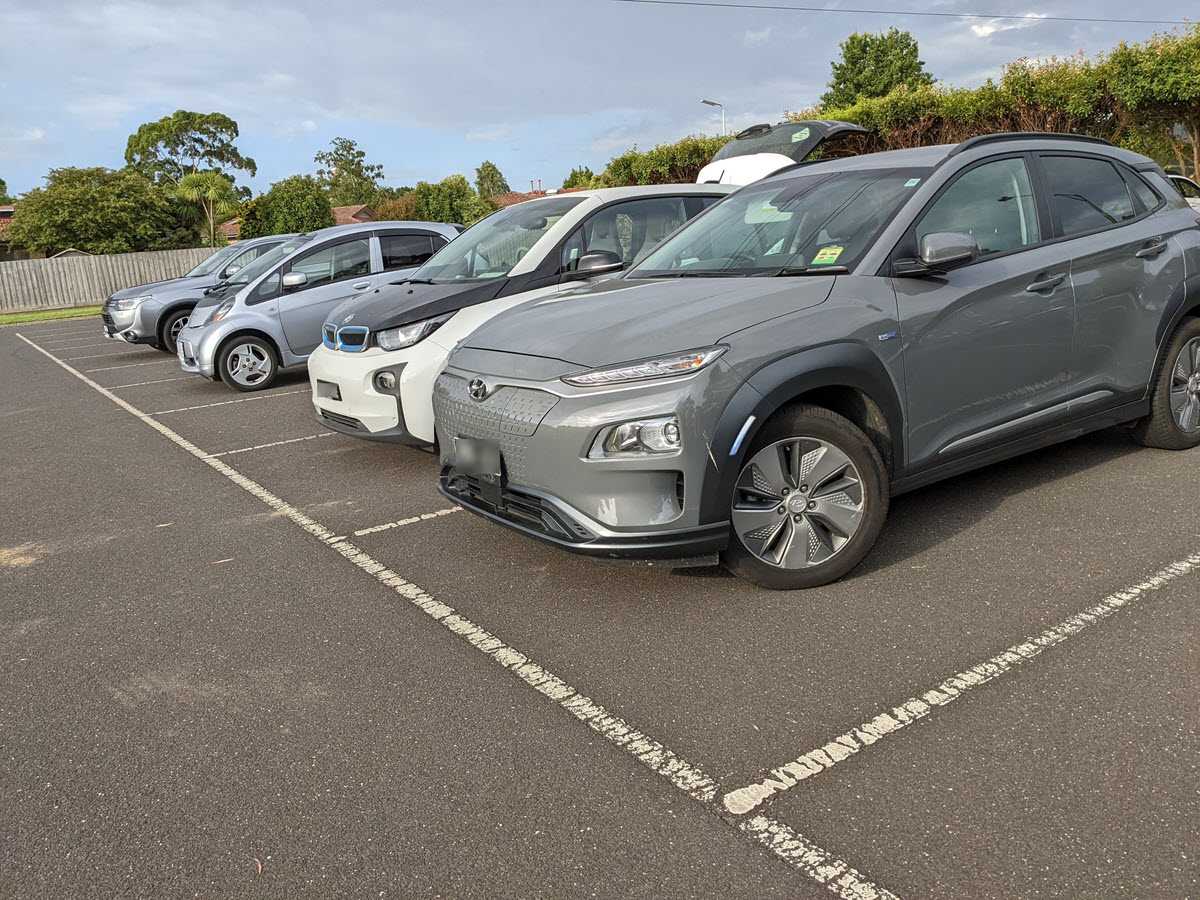
Image: Riz Akhtar
Image: Riz Akhtar

In my humble opinion, the Mitsubishi i-MiEV is the car that started Australia’s transition towards EVs. The first batch arrived in Australia in late 2010, that’s over 12 years ago but feels like yesterday.

 

RizĀ is the founder of carloop based in Melbourne, specialising in Australian EV data, insight reports and trends. He is a mechanical engineer who spent the first 7 years of his career building transport infrastructure before starting carloop. He has a passion for cars, particularly EVs and wants to help reduce transport emissions in Australia. He currently drives a red Tesla Model 3.

Related Topics

Latest posts

France and Germany cut deal to delay phase out of internal combustion cars, reports say

France and Germany cut deal to delay phase out of internal combustion cars, reports say

France and Germany have agreed to push for a further weakening of the EU’s planned phaseout of new combustion engine cars, a deal that could break a months-long deadlock among member states, business daily Handelsblatt and newspaper Frankfurter Allgemeine ZeitungĀ reported. In exchange for French support on cars, Germany will back France’s demands for strict ā€œBuy […]
The Driven Podcast: EVs outsell petrol again as Hyundai scraps Ioniq 3 Australian launch

The Driven Podcast: EVs outsell petrol again as Hyundai scraps Ioniq 3 Australian launch

EVs outsell petrol cars again as we unpack September’s sales figures, Hyundai scraps its Australian launch plans for the Ioniq 3, and we share our first impressions of Honda’s new Super-One electric car. Plus, all the other big EV news of the week.
A seven-fold boost in low-cost EV sales has transformed the new car market in Europe, new report finds

A seven-fold boost in low-cost EV sales has transformed the new car market in Europe, new report finds

EV sales in Europe have jumped 45 per cent in 2026, driven by a seven-fold increase in sales of low cost electric cars – with Scandinavia leading the charge.
Reader’s Question: Should I choose the unfashionable tyre option for my EV?

Reader’s Question: Should I choose the unfashionable tyre option for my EV?

Going for smaller/wheel higher profile tyre options may not be fashionable – but they offer advantages on less-than-perfect road surfaces, add more range, and cost less.