A first-of-its-kind project to provide hydrogen refuelling facilities for heavy trucks in Australia is finally complete and ready for operations, but it is struggling to find any suitable trucks after the financial collapse of its two preferred suppliers.
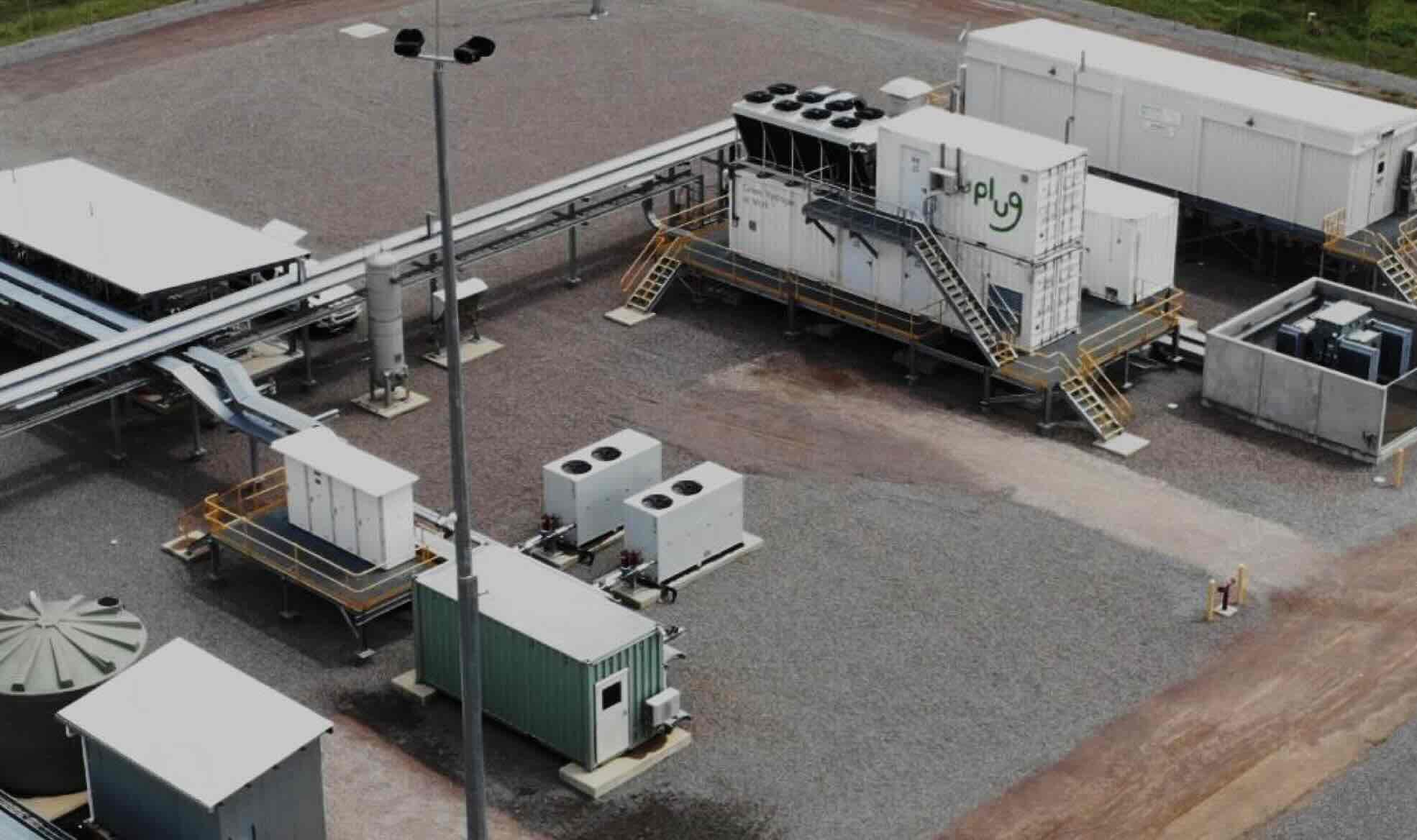
The SunHQ Hydrogen Hub near Townsville and Queensland was hailed as a landmark project when announced under the previous Coalition government in 2021 – and it was the first to be co-funded by the Australian Renewable Energy Agency and the Clean Energy Finance Corp.
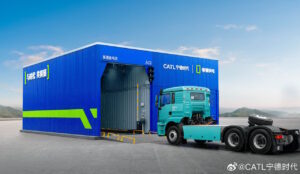
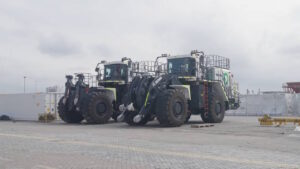
The 1 MW pilot facility, located next to project owner Korea Zinc’s Sun Metals zinc refinery and its 121 MW solar farm, was supposed to feature the world’s largest road-going fuel cell electric trucks in the world at the time. The delivery of five such trucks was originally expected to occur in 2022.
The facility has finally been completed and is ready to operate, but the preferred supplier of the five 140-tonne fuel cell trucks, Hyzon Motors, has since gone bankrupt – and so too has the alternative supplier, Nikola Corporation.
In its place, project owner Ark Energy – a subsidiary of Korea Zinc – has been able to source one 53 tonne fuel cell truck, as well as a 140 tonne diesel-hydrogen hybrid, but has been facing difficulties getting approvals and adapting the vehicles to strict Australian design regulations, and in system integration.
“As a result, the ramp-up of hydrogen production and demand will occur more gradually than originally anticipated,” the company writes in a newly published “Lesson Learned” report.
The SunHQ project received $3.02 million in funding from ARENA, and a $12.5 million debt facility from the CEFC, and was also backed by $5 million from the Queensland State Government’s Hydrogen Industry Development Fund.
The Sun Metals zinc refinery is the second largest single-site consumer of electricity in Queensland, after Rio Tinto’s Boyne Island smelters. Both are working hard on switching from fossil fuels to renewables for power generation, and the introduction of fuel cell electric trucks was designed to cut emissions in the transport supply chain.
But the hydrogen industry has fallen short on its hype and hopes, particularly in transport where battery electric vehicles now dominate in passenger cars and light trucks, and – increasingly in China – the heavy truck market.
The hydrogen industry still believes that fuel cell trucks can compete in countries like Australia where the travel distances are much greater, but the SunHQ lessons learned report highlights many of the intense difficulties and struggles with a start-up technology.
“Deployment of an integrated hydrogen production, storage, and refuelling system in Australia required numerous engineering iterations, design refinements, and cost and schedule contingency due to limited precedent and its nature as a first-of-a-kind solution,” the report notes.
The project has had to source much of its advice and expertise from overseas, and there have been challenges in adapting technologies deployed in international markets so they can conform to strict design regulations in Australia.
“Deployment of hydrogen FCET trucks is a challenging process,” it says. “There are limited OEM-supported vehicle platforms, significant custom integration requirements, and complex regulatory approval processes to navigate during deployment and commissioning.”
The report points to significant additional costs, mostly due to design and integration challenges, but doesn’t break these down further.
The first 140 tonne truck – the diesel hydrogen hybrid – is expected to be fully deployed soon, but Ark Energy says because there are no specialist hydrogen truck integrators were available locally, the project relies on New Zealand based Global Bus Ventures (GBV) to support integration activities.
Still, Ark Energy remains positive.
“Despite the challenges, SunHQ has generated some valuable early operational insights into hydrogen truck deployment which may help inform future projects and technology development.
“Positively, the DHH (diesel hydrogen hybrid) system demonstrated higher-than-expected diesel displacement under operational load, achieving up to a 50 percent reduction in diesel consumption. This indicates strong potential for hydrogen-assisted technologies to deliver meaningful emissions reductions in existing fleets while the market for fuel cell trucks continues to develop.
“Driver feedback across the deployed vehicles was highly positive, particularly for the fuel cell electric truck. Operators reported that the vehicles were easy to operate and provided a smooth and responsive driving experience.” It noted that fuel savings were very dependent on driver behaviour, and their use of regenerative braking systems.
Sign up for The Driven’s free daily newsletter and get the latest EV news and analysis delivered straight to your inbox.