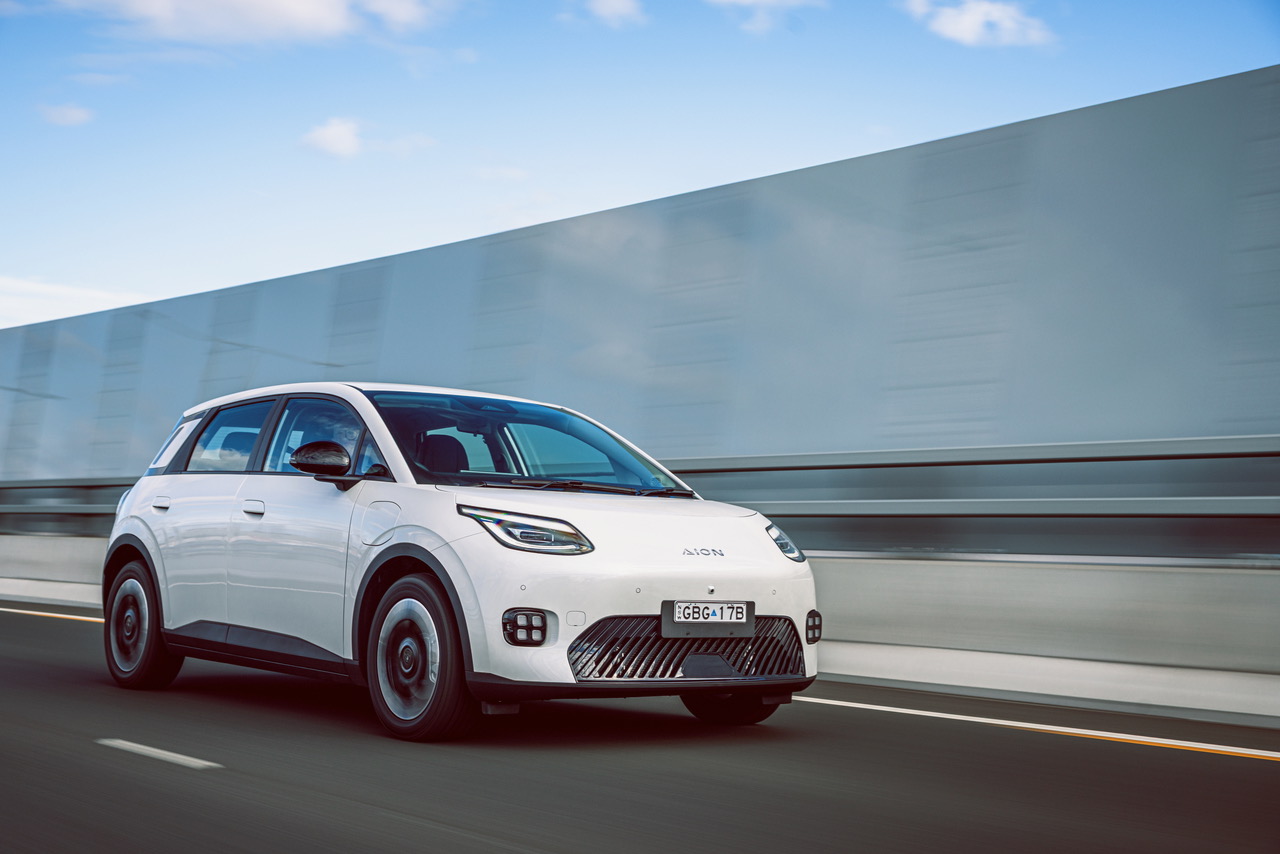
GAC will add a cheaper, shorter-range version of its Aion UT electric hatchback to its Australian line-up later this year, as competition intensifies at the affordable end of the EV market.
The Chinese car maker has confirmed the new Aion UT variant will use a smaller 44 kWh battery pack and offer up to 320 km of WLTP driving range.
Pricing and full Australian specifications are yet to be revealed, with GAC saying further details will be announced closer to its launch in late 2026.
We can expect the new model to sit below the existing Aion UT, which currently starts from $31,990 drive-away nationally, suggesting GAC is preparing to push further into the increasingly competitive sub-$30,000 electric-car market.
The smaller battery uses GAC’s Magazine Battery 2.0 technology, which the company claims provides high levels of battery safety while allowing the company to reduce the cost and weight of the entry-level model.
GAC says the 320 km WLTP range has been chosen with urban buyers in mind, where relatively short daily trips mean a large and expensive battery is often unnecessary.
“GAC is committed to delivering products that are tailored to the needs of Australian consumers, and in this instance, the call for more accessible entry-level EVs was particularly strong,” GAC Australia CEO Kevin Shu said.
“With its innovative powertrain technologies, distinctive European-influenced design, and a generously spacious interior that defies its compact exterior footprint, I am confident the short-range AION UT will be a leading option not just for those considering their first EV, but also those looking for their first car.”
The arrival of the shorter-range model comes as the Australian EV market undergoes a significant shift towards smaller and cheaper electric cars.
For several years, Australian EV buyers largely had to choose between relatively expensive SUVs and sedans, but manufacturers are increasingly targeting buyers who don’t need 500 km of range or a large family SUV.
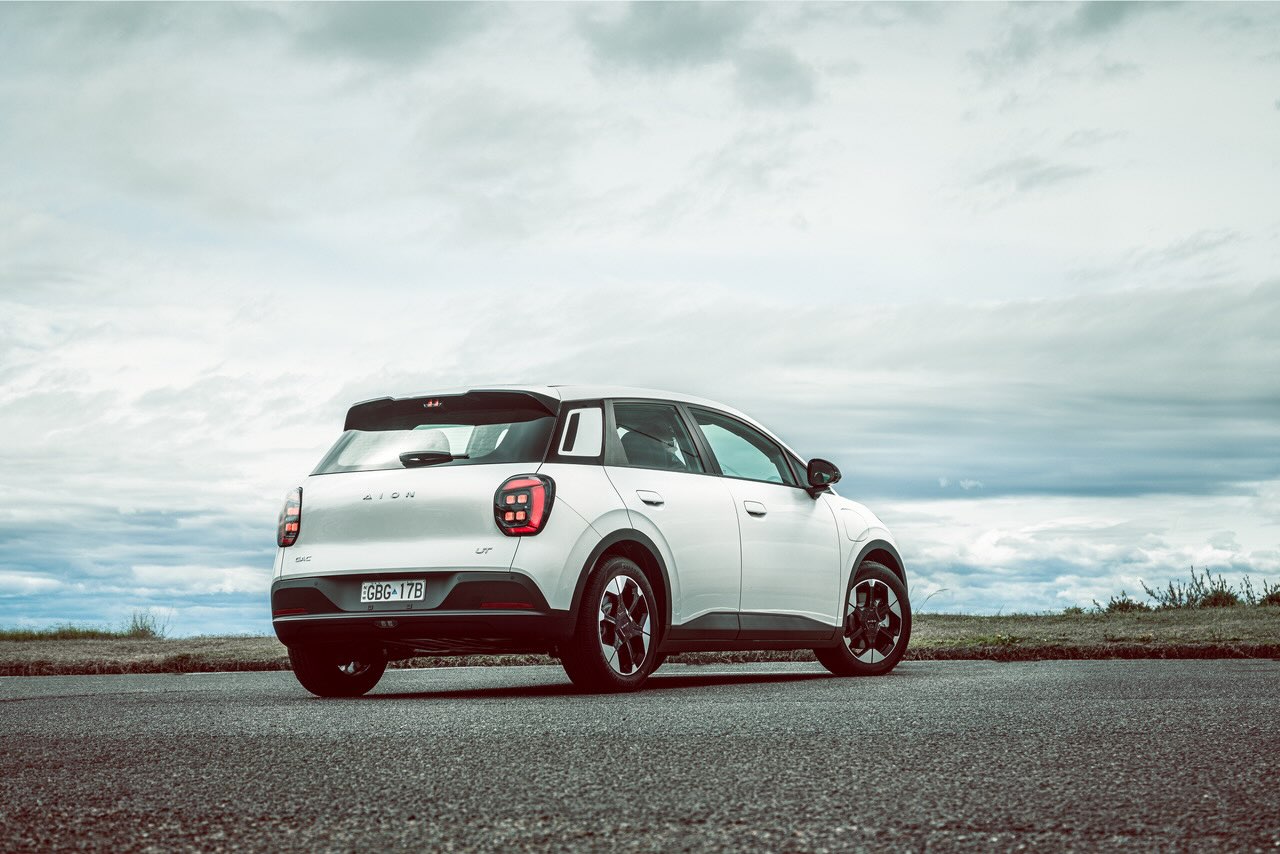
The Aion UT is one of a growing number of compact electric hatchbacks targeting that market, alongside models from BYD, Hyundai, Geely and Honda.
Its 320 km WLTP figure also illustrates the changing economics of the lower end of the EV market. Rather than chasing ever-larger batteries and longer ranges, manufacturers are offering smaller packs as a way of bringing purchase prices down.
You can find The Driven’s detailed EV sales data here: Australian electric vehicle sales by month in 2026; by model and by brand.
The big unanswered question is how far GAC is prepared to go on price. With the existing AION UT already available from $31,990 drive-away, the 44 kWh version would logically need to arrive comfortably below that figure to establish a meaningful gap between the two variants.
That could potentially put the new Aion UT into the increasingly important mid-to-high-$20,000 bracket, although GAC has given no indication of an Australian price so far.
It would also give GAC another weapon in what is quickly becoming one of the most interesting parts of the Australian EV market: affordable electric cars designed primarily for commuting and urban use rather than maximum possible driving range.
Final pricing, specifications and equipment details for the short-range Aion UT are expected to be announced in the coming months ahead of its Australian launch late in 2026.
For a full rundown of all available EV models in Australia, please go to our Compare EVs page here.
And you can sign up for The Driven’s free daily newsletter and get the latest EV news and analysis delivered straight to your inbox.