Toyota has long been Australia’s biggest selling car brand, but on electric vehicles it is barely visible – at least in the lists of the best-selling EVs.
When it comes to framing policies to support the electric transition, Toyota has been very noisy, and its ability to throw its corporate weight around the corridors of power in Australia is a major reason why the country is taking a softly softly approach.
But what happens when Toyota is faced with a government that is determined to do what it knows is best, and to accelerate the transition from internal combustion engine cars to electric vehicles, and even bans the plug in hybrids and mild hybrids that the Japanese car giant holds so dear?
This list of the best selling EVs in Norway caught my eye. The share of fully battery EVs in Norway in the month of April was a record 98.4 per cent, and the list of the best selling EVs is revealing.
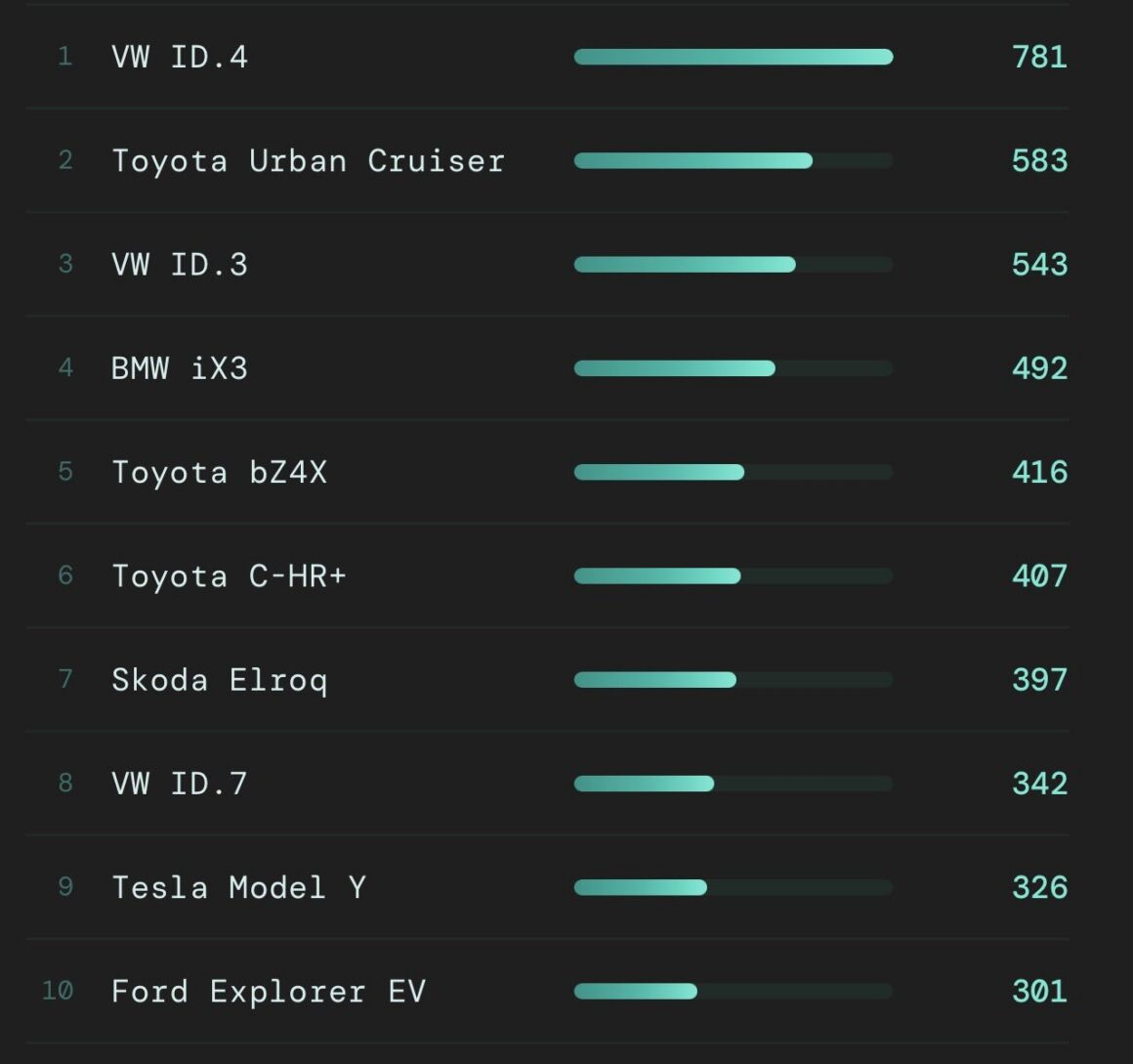
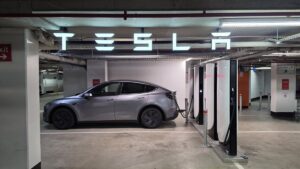
It’s notable that Tesla barely makes the list of the top 10, although we shall put that down to its now traditional slow start to any quarter. You can expect its sales to ramp up in the second and third months. That’s the way they do things, in Norway, Australia and around the world.
In its place rose the legacy car makers, with VW on top and filling three of the top 10 places. Even Ford made the top 10, with its Explorer (not available in Australia), along with the widely regarded Skoda Elroq and the BMW iX3.
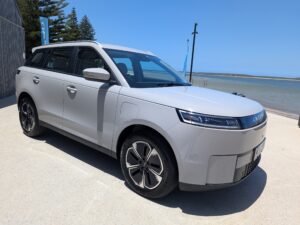
But what’s that at No 2 in the Norway electric top 10? The Toyota Urban Cruiser. That’s not available in Australia either, and it turns out to be a compact electric SUV that is regarded as the sister model to the Susuzki e-Vitara, which is finally arriving on Australian shores.
The Toyota bZ4X comes in at No 5 – and that is familiar in Australia, although it has hardly set the market alight Down Under, ranking 19th in EV sales in 2025, and 13th in EV sales so far in 2026.
See The Driven’s detailed EV sales data here: Australian electric vehicle sales by month in 2026; by model and by brand.
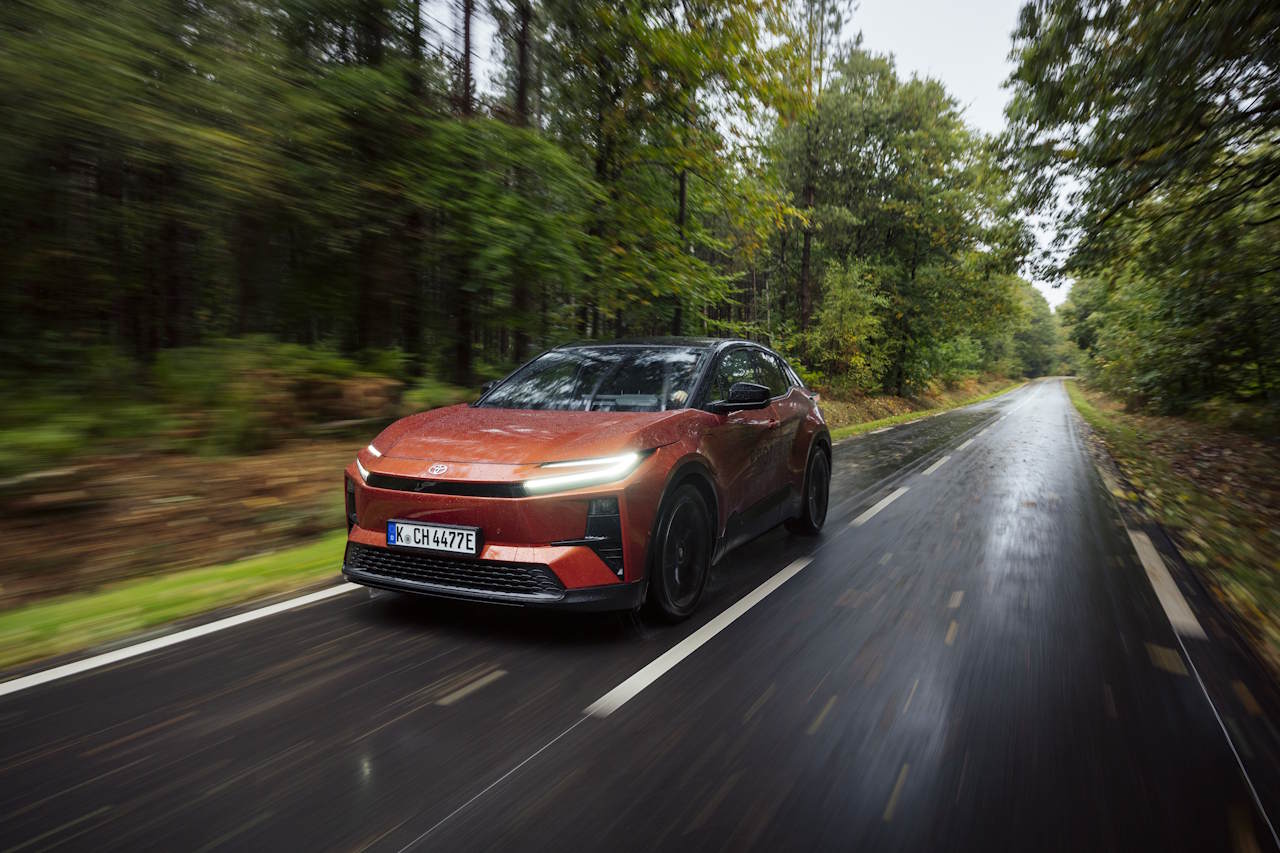
And then there is the Toyota CH-R, a “sleek” electric SUV that is also described as a “coupe-crossover electric car.” That was released in Norway and other European markets in 2025, but won’t find its way to Australian shores until mid-2027. Toyota is also finally releasing an electric version of the popular Hilux utensil, albeit one with relatively low range.
Toyota’s high rankings in Norway may be the result of a lack of competition from Chinese EV brands, which face major restrictions in Europe, and which are coming to dominate the Australian market.
But you can’t help thinking that Toyota, which fought so hard against the federal government’s New Vehicle Emissions Standards, and with other car lobbies managed to have them dialled down, could do well if it bothered to deliver something like an electric Yaris or an electric Corolla.
The answer is that Toyota possibly thinks that, like Ford, it cannot hope to compete with the Chinese electric cars. Or that it is perfectly happy cashing in on the hybrid boom, strong in Australia because of the widespread fear campaign about range and changer anxiety.
Just imagine, though, how different it might be with strong EV policies that leave the Japanese car giant, and other auto makers, in no doubt about what is expected of them. After all, for many people it’s not just a question of climate science, but also energy security.
See The Driven’s detailed EV sales data here: Australian electric vehicle sales by month in 2026; by model and by brand.
Sign up for The Driven’s free daily newsletter and get the latest EV news and analysis delivered straight to your inbox.