
The federal tax rebate for electric cars is doing exactly what it aimed to do: it’s driving up sales and pushing down emissions.
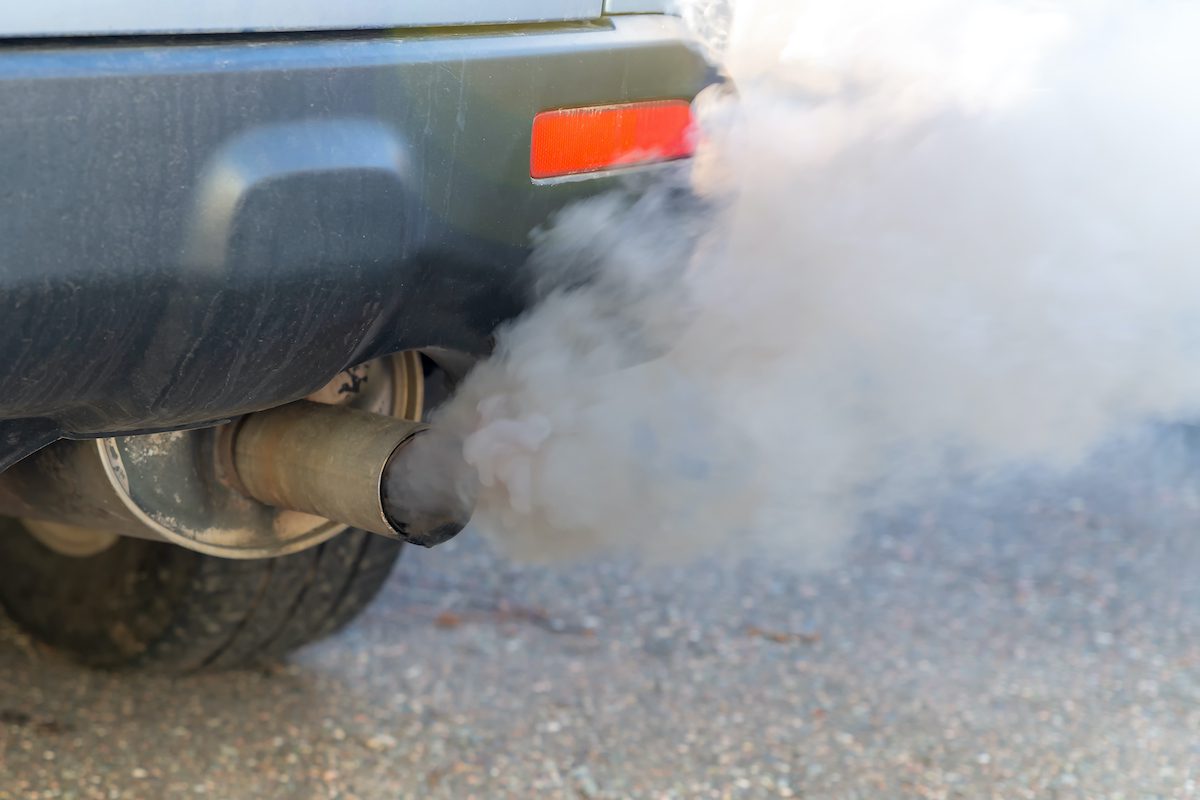
More electric vehicles (EVs) on the road – electric and hybrid cars made up 13.1 per cent of total car sales last year thanks to the Electric Car Discount – created a 0.4 per cent reduction in transport emissions in 2025, compared to 2024.
It may seem small, but the numbers behind that drop show just how dramatic Australia’s EV adoption has been for emissions.
Because emissions in the transport industry grew by the most of any sector when benchmarked against what they were before COVID, according to the latest National Greenhouse Gas Inventory says, which counts carbon for the year to the end of September 2025.
Emissions from road transport diesel consumption rose 11.4 per cent, and domestic aviation rose 8.4 per cent, leading to an overall rise of 2.1 per cent against 2019.
Balancing that, are emissions from petrol cars sinking 10.2 per cent below pre-COVID levels.
It’s a testament to the success of the Electric Car Discount, National Automotive Leasing and Salary Packaging Association CEO Rohan Martin said.
The discount removes the fringe benefit tax on EVs priced under the luxury car threshold, which is currently $91,387 for fuel efficient vehicles. It means that people who buy an EV using a novated lease can save thousands, but hybrids were removed from the scheme in April last year.
“Half of all new EVs sold in Australia today are with the help of the Electric Car Discount. Many everyday working Australians living in the outer suburbs simply wouldn’t be making the switch to electric cars without the discount,” Martin said in a statement.
“The Electric Car Discount is proving its worth – it’s the biggest driver of EV uptake in Australia and is a key force behind the transport emission reductions we’re now starting to see,” Mr Martin said.
He says the vehicle efficiency standard and the EV discount are creating demand that is needed if the country wants to meet transport emissions targets.
“The Climate Change Authority says half of all the light vehicles sold over the next decade must be electric if Australia is to meet its 2035 emissions target,” he says.
“More than one in ten new cars sold in Australia are now electric but globally, it’s one in four. Australia has come a long way with EV uptake in a short amount of time, but catching up with the rest of the world will require sustained effort and the policies to match.”
Click here to subscribe and get the latest EV news delivered straight to your inbox – free.
Electricity for the win
The biggest gains were actually in reduced fugitive emissions, although as sister publication Renew Economy has reported on multiple occasions the way these are measured is extremely flawed, and electricity.
Emissions from the electricity sector are down 3.1 per cent as large scale renewables begin to dominate over coal, and even gas, and due to the stunning outperformance of rooftop solar systems.
While the electricity sector is still the largest source of emissions as counted by the inventory, with a third of the total budget, the ongoing build out of large scale renewables is having a real impact.
In the east coast National Energy Market (NEM) alone, emissions were down 3.7 per cent.
Given the data does not include the months from November when renewables dominated both the NEM and the Western Australian grids over summer, that figure could be even higher.
Energy minister Chris Bowen said the report confirmed Australia’s emissions are heading in the right direction.
“Our commonsense approach, which includes Cheaper Home Batteries, more cheaper, cleaner energy and more choice of cheaper to run cars, is working to drive down emissions across the economy,” he said in a statement.
“We are on track to meet our climate targets if we stay the course and continue to lift our efforts.
“But this progress can all be undone if the Coalition get their way to drive up bills and pollution by stopping the renewables roll out and sweating ageing, unreliable coal.
“The Coalition’s energy plan will cost Australians more.”
Getting off gas
One other area that is particularly intriguing for Renew Economy readers will be the stationary emissions data.
This includes emissions from gas and diesel burned in manufacturing, mining, residential and commercial sectors, and it declined by 1.7 per cent.
Why? Partly because metals manufacturing is getting off coal, but the inventory also credits the fall to households getting off gas, proving that state policies to phase out the fossil fuel are working.
The ACT, Victoria and now New South Wales all have policies in place to phase out gas in various commercial and residential properties, partly as a way to reduce emissions and partly as a way to preserve gas supplies for industries that really need them.
Falling LNG exports have also helped to reduce stationary gas emissions.

Rachel Williamson is a science and business journalist, who focuses on climate change-related health and environmental issues.