
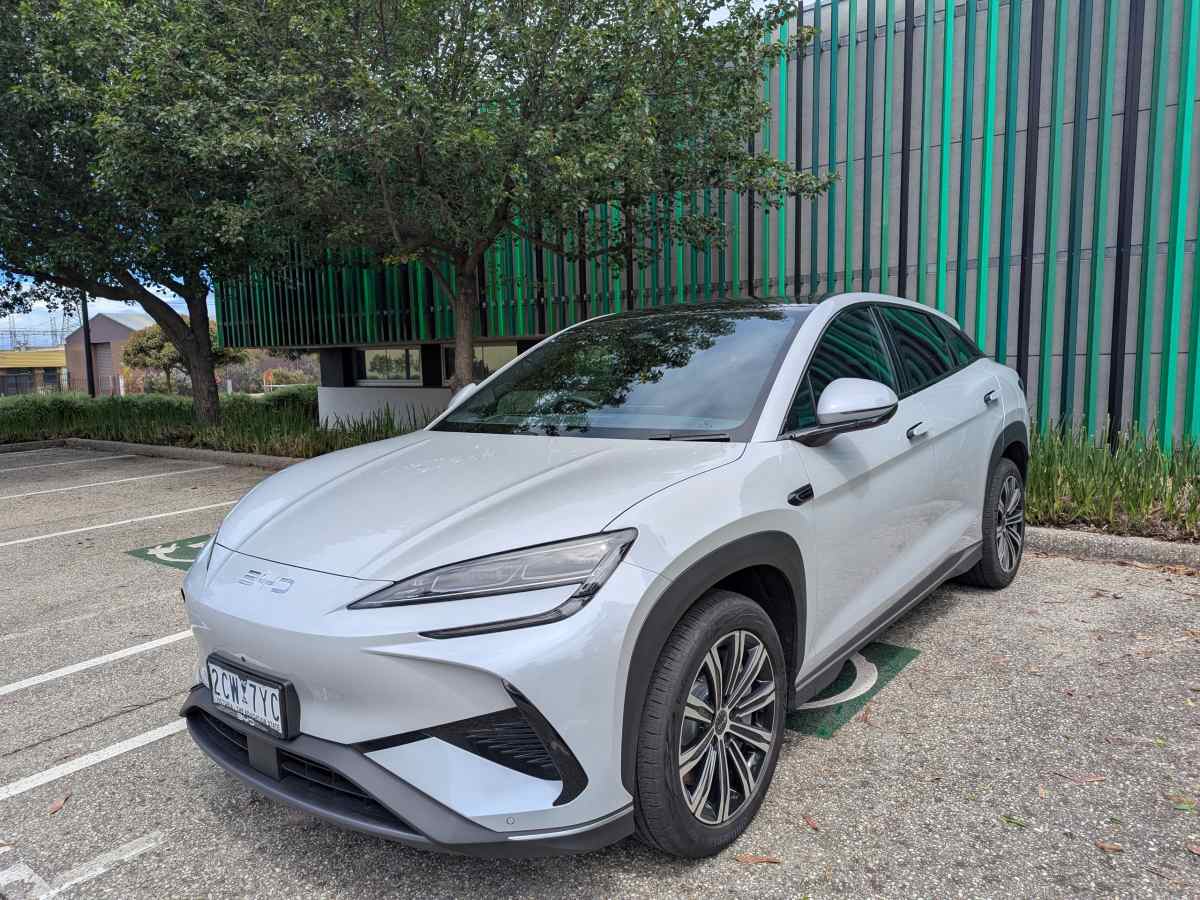
BYD’s best-selling EV in Australia, the Sealion 7, has been in the market for just over 10 months and has quickly risen to be the second best-selling electric vehicle in the market.
I finally spent a bit of time behind the wheel of the entry-level car, which recently had a $4,000 cashback offer, to see why so many new EV buyers – more than 11,000 so far have flocked to buy it.
After spending a week with the Sealion 7 Premium, it’s easy to see why this SUV has set the standard for what drivers looking to make the switch have been waiting for. A tech-filled, comfortable electric SUV.
Priced from $54,990 before on-road costs, the rear-wheel-drive (RWD) Premium variant delivers quite a lot of value in what is a surprisingly well-packaged SUV. It adds a lot of the features that many early owners of the Atto 3 requested and takes things up a notch.
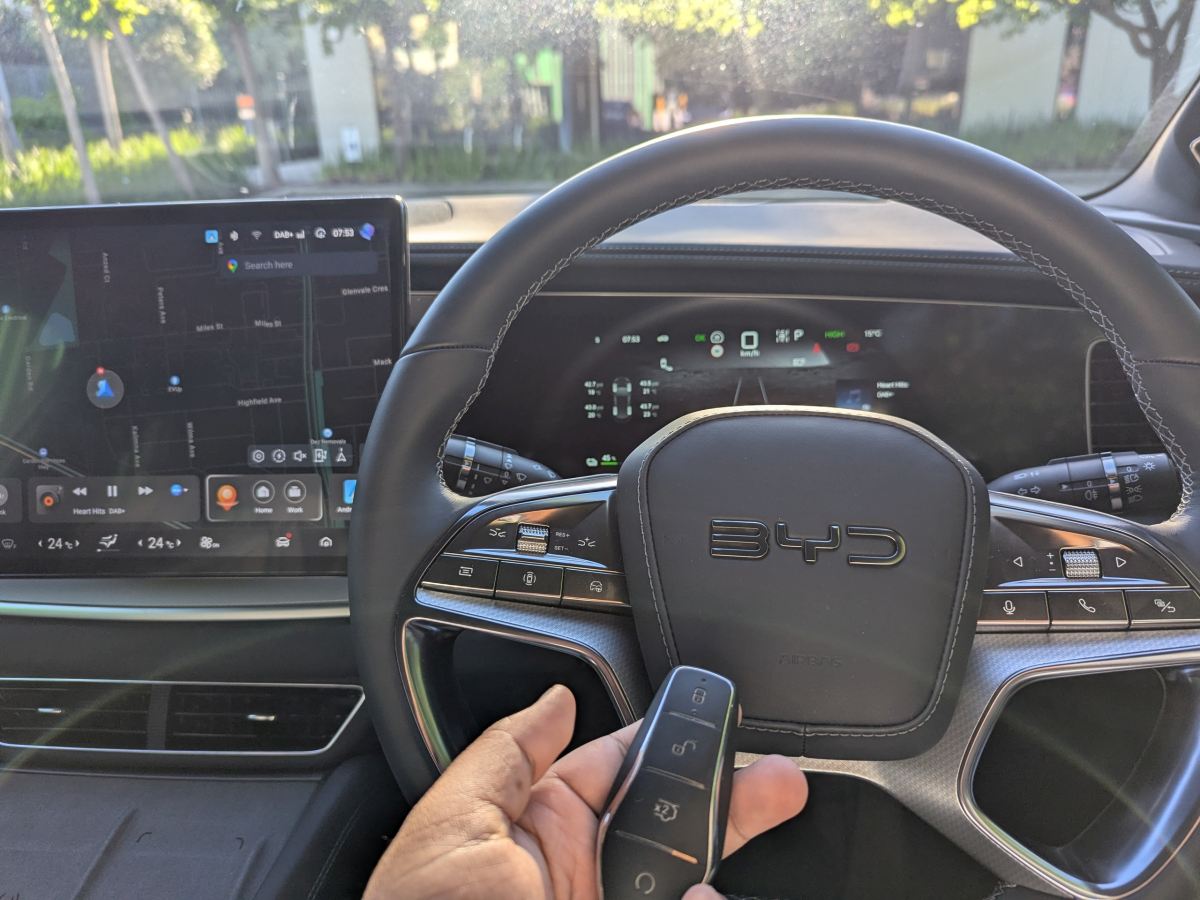
The Premium variant comes with a single rear-mounted motor, packing 230 kW of power and up to 380 Nm of torque.
This helps the car get from 0-100 km/h in 6.7 seconds, and on the roads, it felt more than zippy when taking off at the lights or changing lanes on the freeway.
In the hills around the Mornington Peninsula in Victoria, which is where I test handling on most of the cars I drive, it really feels like BYD has stepped things up a notch with the Sealion 7.
The suspension didn’t make the car feel as floaty as what you can expect in the more comfort-focused SUVs on the market. It did have a sporty feel, which made it quite fun around the windy roads of Red Hill.
Around sharper bends, the steering felt way more natural than the Seal or the Atto 3, which are both lighter and, as mentioned earlier, geared for comfort.
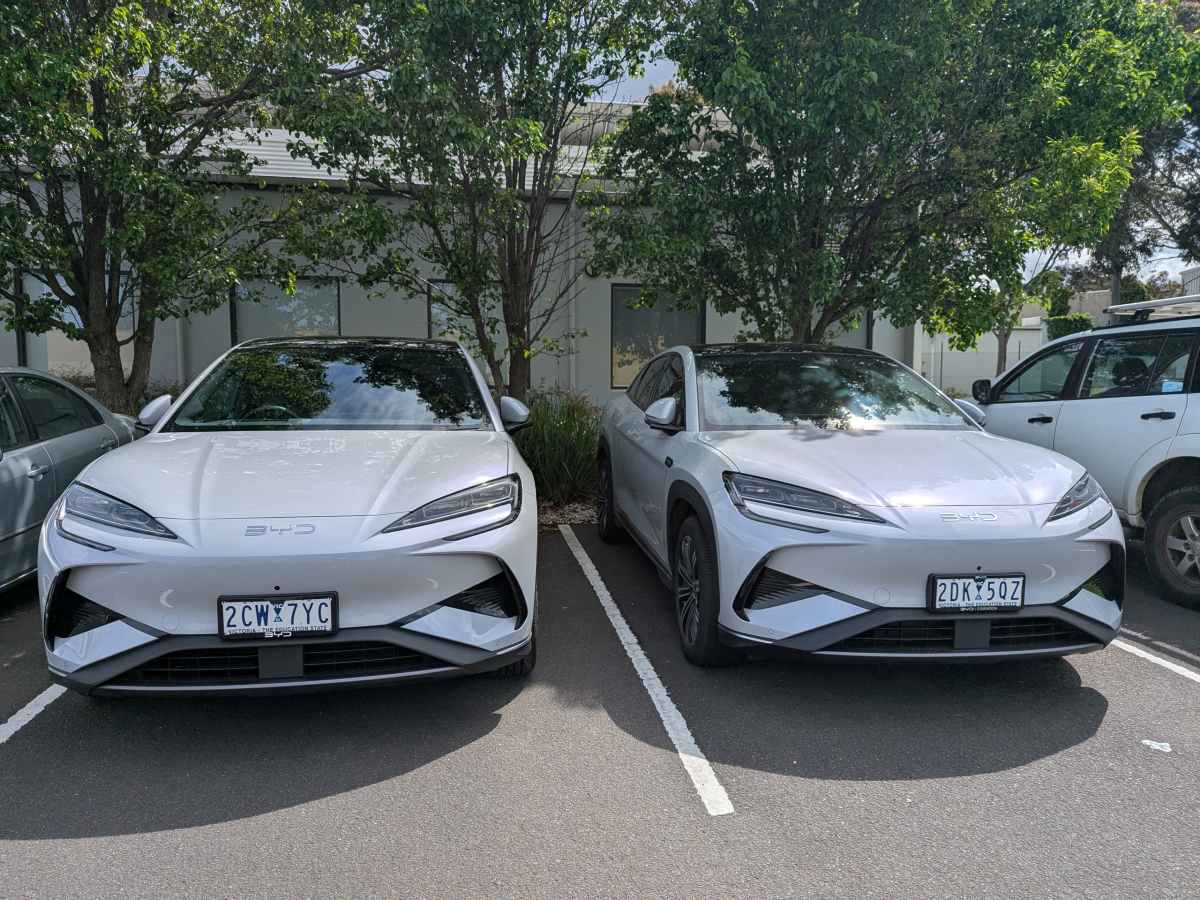
Although it does not come with one-pedal drive, the auto hold function does a good enough job when stopping at a set of lights, making sure you don’t have to hold the brake pedal any longer than needed.
One area where the Sealion 7 could see improvements is the efficiency of the car. The Premium variant comes with an 82.56 kWh BYD Blade battery pack, which of course, has the cred of being one of the safest and most durable packs, thanks to the Lithium-Iron-Phosphate (LFP) chemistry.
That also adds weight to the car and, according to the official WLTP range figure, is rated at 482 km. In my testing, particularly on highways, I was getting around 23 kWh/100km, which would mean a real-world range of around 360 km.
That figure drops when driving around the suburbs, with city driving seeing around 19 kWh/100 km.
Having said that, the Sealion 7 does charge fairly quickly, thanks to peak DC charging speeds of 150 kW, and for the first time, 11 kW AC charging is also on offer.
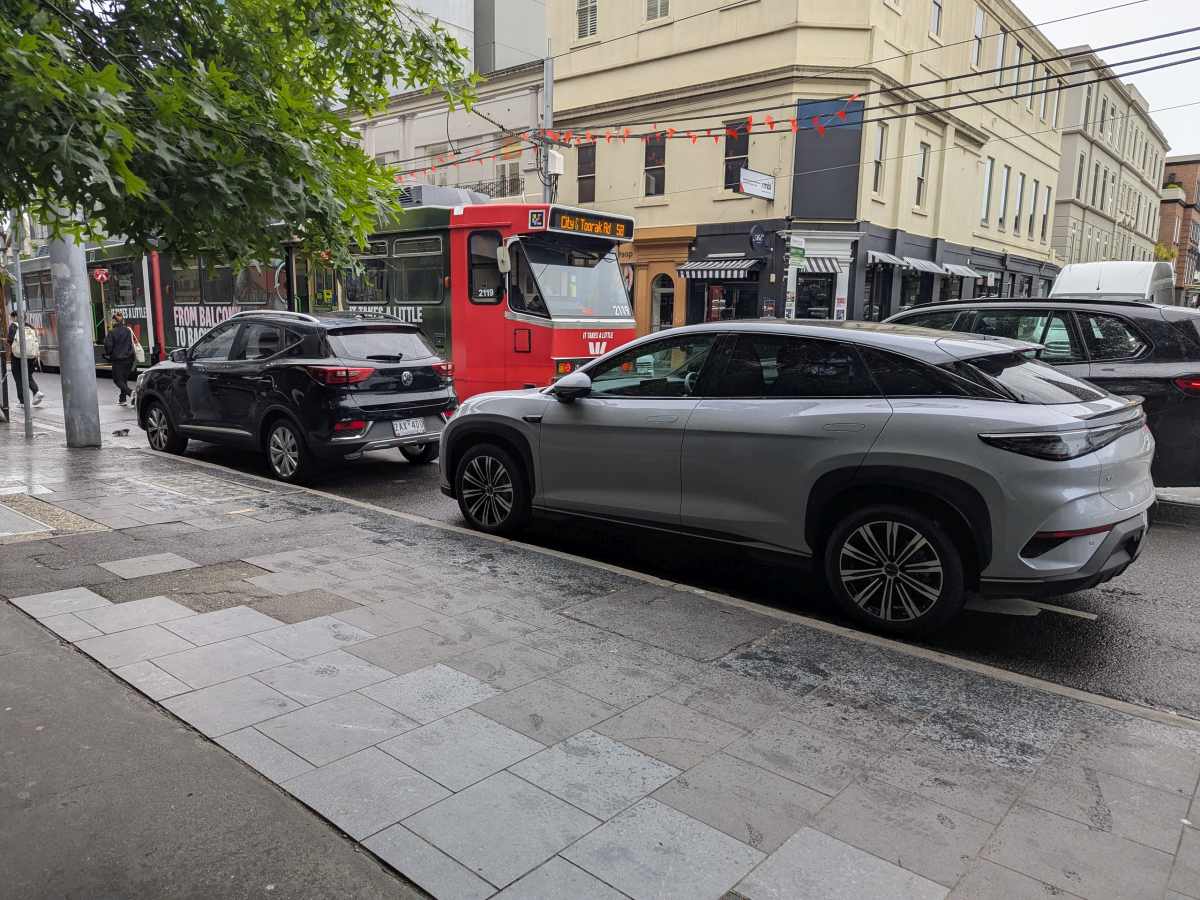
That also shows that BYD has listened to the early Atto 3 and Seal customers and upped the on-board charger to a 3-phase one.
Moving on to the inside, I really think this is where there is a big step up in terms of the materials and tech, and the seats are some of the plushest for a family SUV at this price point.
On top of that, the 15.6-inch screen with Android Auto and Apple CarPlay is one of the better systems on the market. The heads-up display and the screen behind the steering wheel, made the driver’s seat feel quite tech-focused and a lot like many other premium and luxury cars on the market.
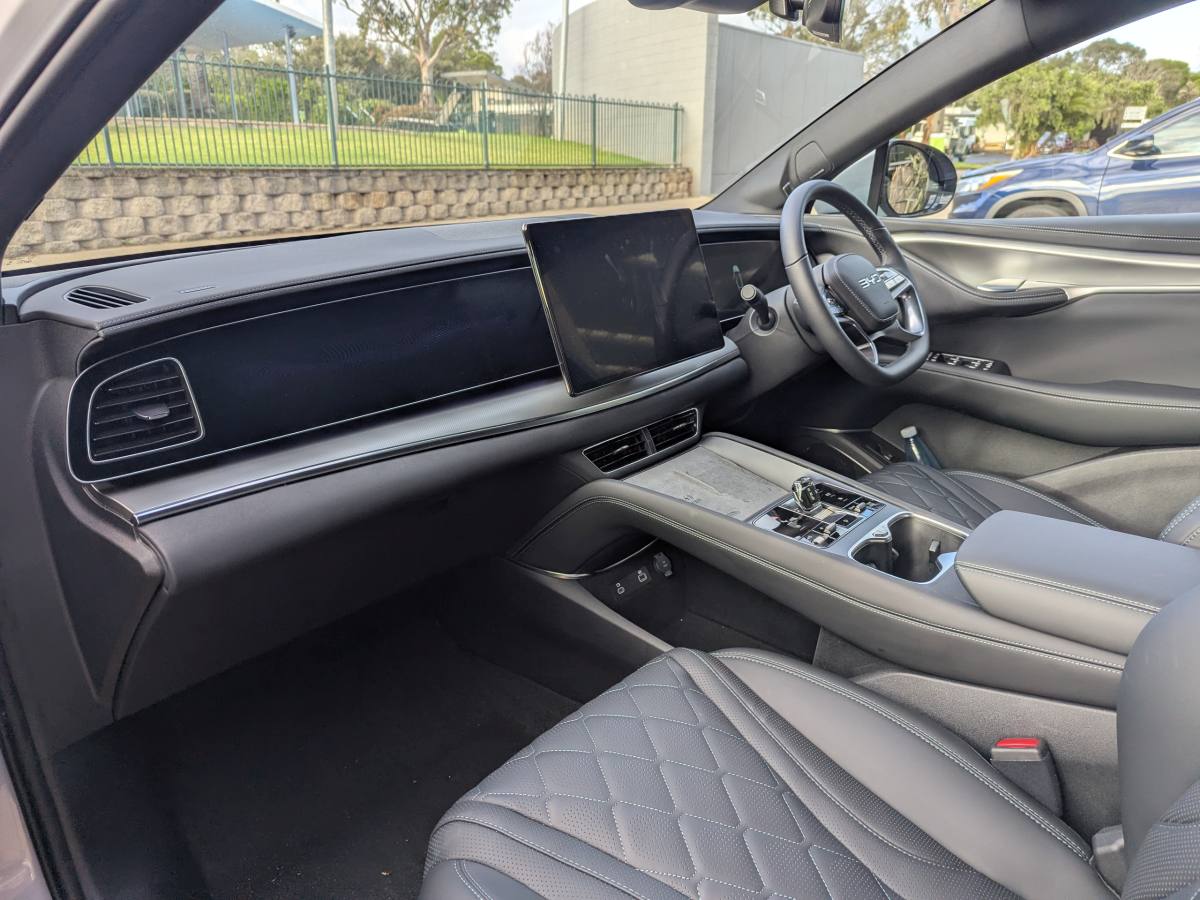
The rear seats feel very comfortable and have loads of leg room. For taller passengers, though, the sloping roof in the back could feel a bit cramped but overall, it’s a nice place to be in.
The Sealion 7 Premium is a lot of car for the money, especially if you keep an eye out for cashback offers like those seen in recent months.
With a big focus on comfort and familiarity in terms of buttons, screens and interior layout, I can clearly see why so many have flocked to the Sealion 7 this year – that’s over 11,000 sales, which not only has reset the standard for mid-sized electric family SUVs but also helped BYD have the best year so far.
See also: Australian electric vehicle sales by month in 2025 – by model and by brand

Riz is the founder of carloop based in Melbourne, specialising in Australian EV data, insight reports and trends. He is a mechanical engineer who spent the first 7 years of his career building transport infrastructure before starting carloop. He has a passion for cars, particularly EVs and wants to help reduce transport emissions in Australia. He currently drives a red Tesla Model 3.