

Swedish electric vehicle brand Polestar and parent company Volvo have launched bi-directional vehicle-to-home (V2H) charging offers in the United States, both of which will utilise the Ara Home Energy Station from Canadian company Dcbel.
Polestar’s V2H offering will initially be available only to Polestar 3 customers in California, and only those on the 400-volt (V) electrical architecture which is set to be superseded by the 2026 models, which are being upgraded to an 800V system.
The offering from Volvo Cars is a little more widespread, however, with owners of the 2025 Volvo EX90 across the United States able to access V2H charging.
What doesn’t differ between the two car brands, however, is the fact that both American Polestar and Volvo customers in the United States will need to purchase an Ara Home Energy Station.
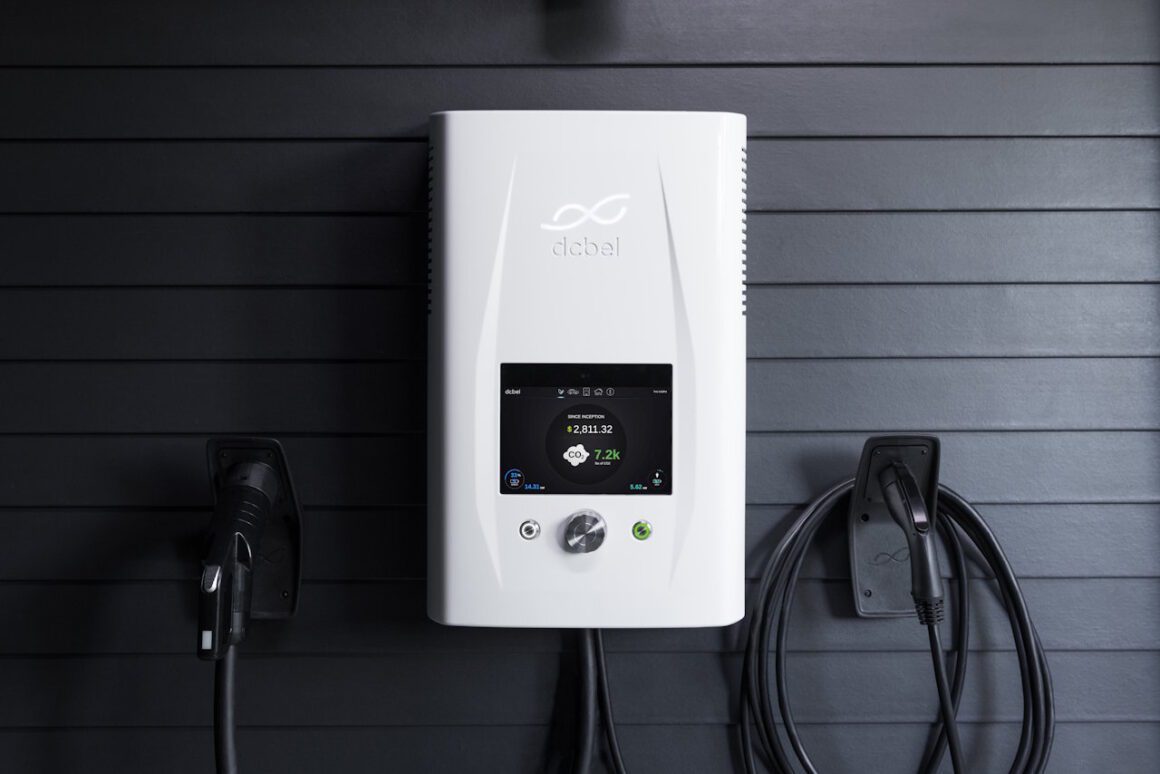
Each V2H offering allows energy to be shifted from car to home, depending on the need, and provides vital blackout support of up to 2.5 days without rationing, and smart charging functionality.
Made by Dcbel, the Ara Home Energy Station not only allows bi-directional DC charging but also offers dual charging and features a 15.2-kilowatt (kW) DC hybrid solar inverter.
The partnership between Dcbel and Volvo Cars dates to mid-2023 when the Volvo Cars Tech Fund invested in Dcbel to support its research and development and pathway to market.
“We continue to enhance the benefits of ownership of our flagship EX90 by enabling it to send power back to the home through bi-directional charging,” said Jim Nichols, head of product & technology consumer offer for Volvo Cars in the Americas.
“By working with dcbel, we’re taking an important next step in our electrification and smart home energy strategy journey to offer smarter home energy options and added peace of mind.”
Volvo EX90 customers interested in purchasing the Ara Home Energy Station are now able to reserve a system directly from Dcbel, while more information for Polestar customers in California can be found here.
Importantly, California customers will be able to take advantage of the state’s generous incentives, with up to $US13,800 in rebates and incentives available to offset costs such as the purchase of an Ara unit, installation and interconnection costs, dynamic rate programs, and a rebate for ownership of a bidirectional EV.
“We are very excited to deliver this initial bi-directional charging offer together with our North American partner Dcbel,” said Olivier Loedel, head of software product management at Polestar.
“It’s a new technology that requires a sophisticated and intelligent ecosystem, and this marks an important first step as we aim to launch bi-directional charging features to more Polestar customers in more markets.”

Joshua S. Hill is a Melbourne-based journalist who has been writing about climate change, clean technology, and electric vehicles for over 15 years. He has been reporting on electric vehicles and clean technologies for Renew Economy and The Driven since 2012. His preferred mode of transport is his feet.