

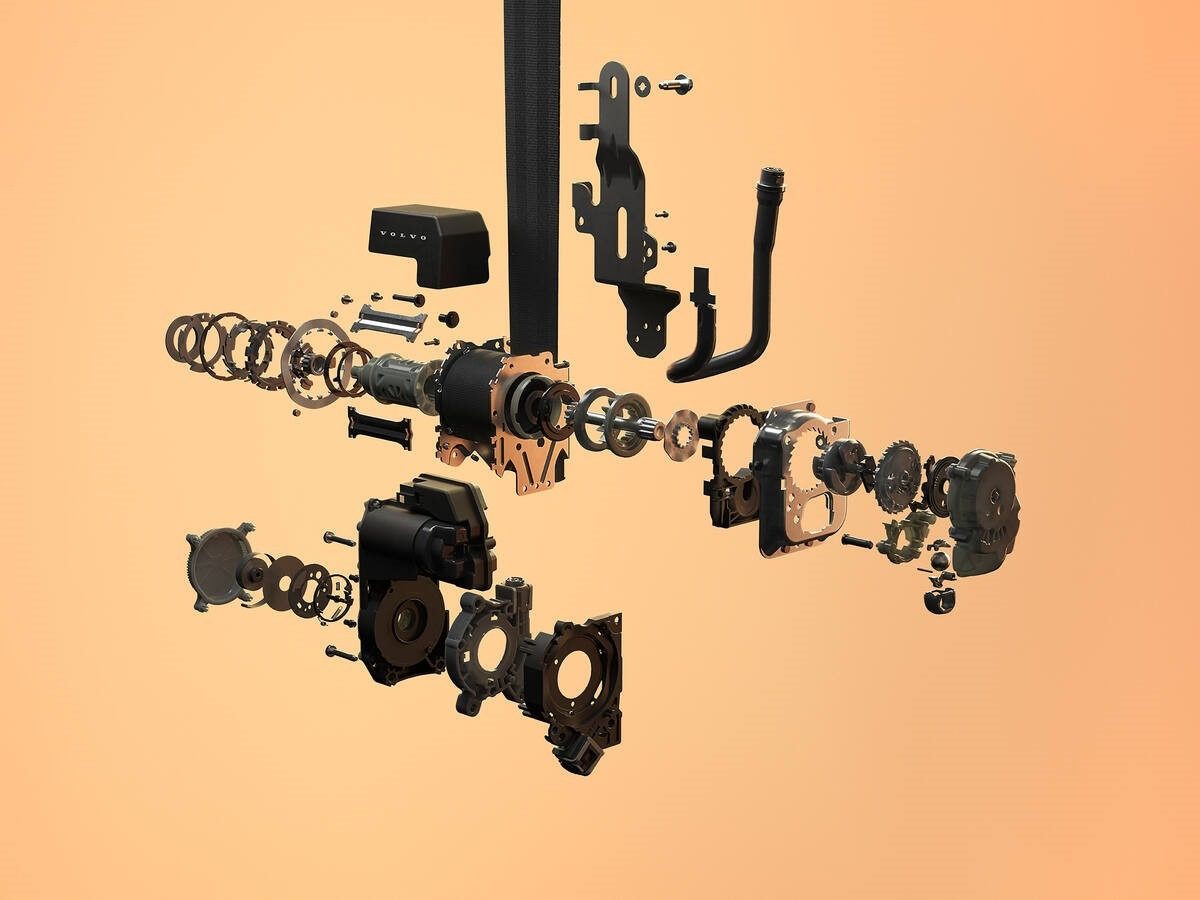
Volvo – the developer of the original three-point safety belt – has upped its safety game with the upcoming electric EX60 SUV by bringing in a world-first multi-adaptive safety belt.
This new multi-adaptive safety belt is designed by Volvo engineers to even better protect occupants inside the cabin by adapting to the traffic conditions around the vehicle, as well as the person wearing it.
According to Volvo, the new system uses real-time data from the car’s sensors, located on the outside body as well as inside the cabin, to customise protection of the occupants.
It does this by adjusting to the current situation and the unique personal profile of drivers and passengers using factors such as their height, weight, body shape and seating position.
As an example, a larger occupant in a severe crash will receive a higher belt load setting to help reduce the risk of head injury.
Similarly, a smaller occupant in a milder crash will receive a lower belt load setting to reduce the risk of rib fractures.
Volvo also says that the new multi-adaptive safety belts are designed to improve via over-the-air (OTA) software updates, making them potentially safer over time as the Volvo team collects more insights from the system.
In the process, this safety innovation has also been listed in the best inventions of 2025 list by TIME magazine.
Åsa Haglund, head of Volvo Cars safety centre, said: “We are proud to be recognised by TIME as a leader in automotive safety,”.
“With the multi-adaptive safety belt in the upcoming EX60, we’re leveraging real-time data to adapt to the situation and the person wearing it – providing smarter, personalised protection that can help reduce injury.”
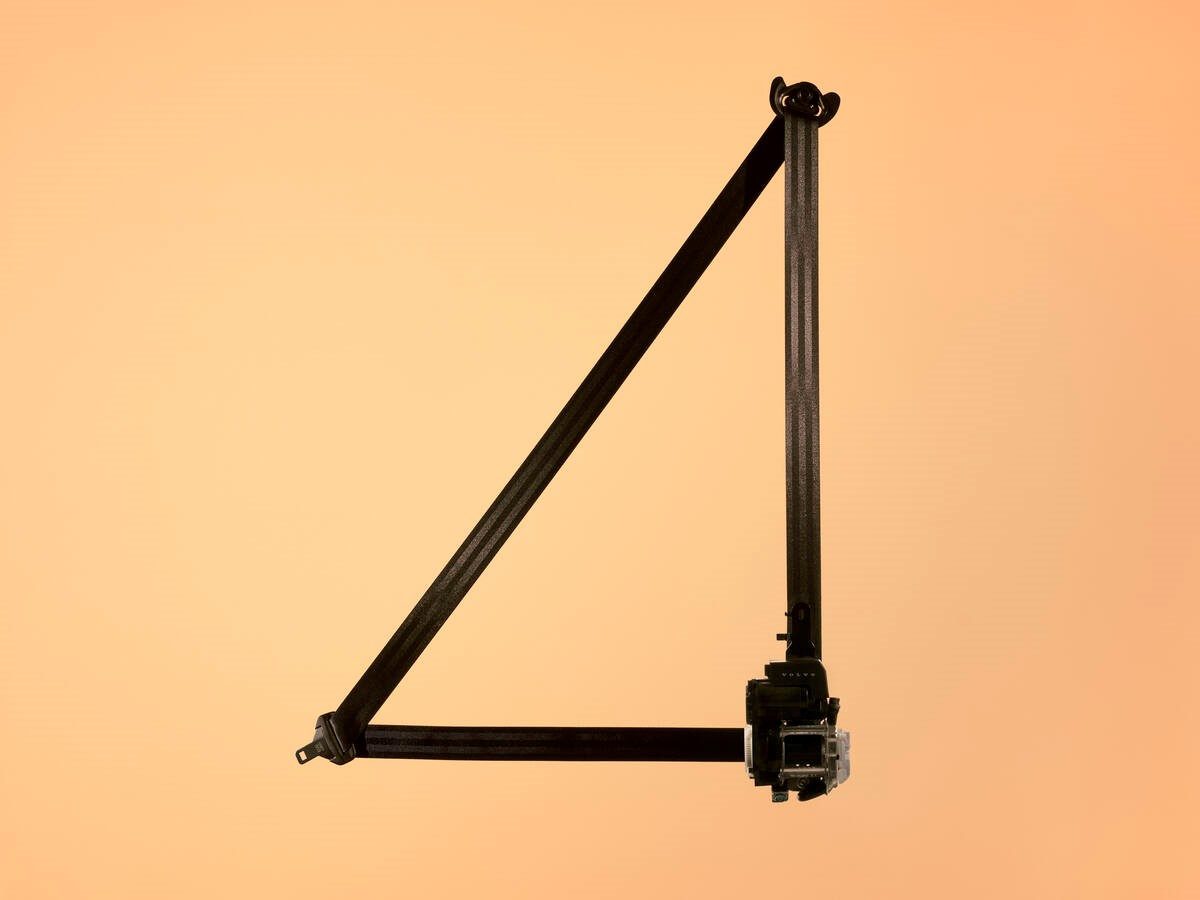
Volvo is a pioneer in seat belt technology, with Volvo engineer Nils Bohlin having invented the modern three-point seat belt back in 1959.
The company then made the patent for the system open-source, for other car manufacturers to use it for free in the interest of public safety, helping make roads safer around the world.
Volvo currently sells multiple fully electric models in the Australian market. These include the EX40 (small SUV), C40 (small coupe-like SUV), EX30 (city SUV), EX90 (large 7-seater SUV), and the recently announced ES90 (large sedan), all set for arrival in Australia.
Volvo’s EX60 is the next major model in the company’s global and local electric lineup, which is expected to be revealed in January 2026 via a livestream event from Stockholm in Sweden.
It is also expected to be on the company’s latest Scalable Product Architecture (SPA3) platform, potentially bringing faster charging speeds and efficiency gains.
The Australian arrival of this model, featuring Volvo’s newest safety technology, is expected in the second half of 2026.
Given that the current XC60 is the company’s second best-seller in our market with over 1,400 sales so far in 2025, the fully electric EX60 with this tech will be well received by premium SUV buyers looking to ditch ICE cars.

Riz is the founder of carloop based in Melbourne, specialising in Australian EV data, insight reports and trends. He is a mechanical engineer who spent the first 7 years of his career building transport infrastructure before starting carloop. He has a passion for cars, particularly EVs and wants to help reduce transport emissions in Australia. He currently drives a red Tesla Model 3.