
Reports the Coalition may cancel fines for carmakers who don’t meet new national vehicle efficiency standards have been met with alarm, but would require a major shift in polls to actually happen.
Leaks reported by The Australian newspaper today suggest the Coalition will try to hamstring the National Vehicle Efficiency Standard (NVES) – which is due to come into effect from July 1 – by removing all penalties.
But to do so, it would need to win the lower house and an unexpected majority in the upper house in the upcoming election to force that kind of change through, the Electric Vehicle Council notes.
Current polls suggest the race for the lower house might be close, but that neither party is likely to win a majority in the Senate, where any change to the NVES would need to win support from Teal and Greens senators.
The NVES soft launched on 1 January with a six month grace period before fines kick in from 1 July.
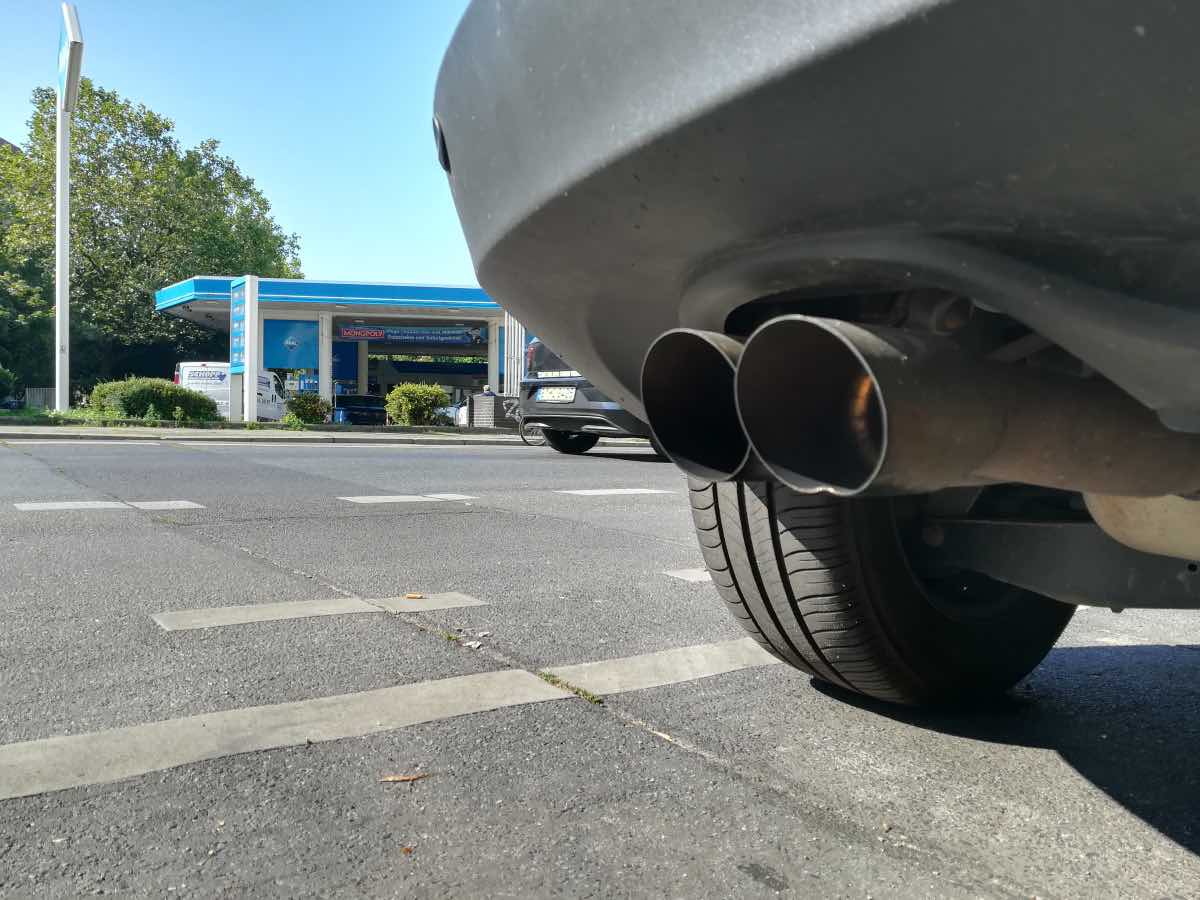
It’s designed to bring Australia into line with other western countries including the US, by setting annual limits on tailpipe CO2 emissions of 141 gCO2/km for new passenger cars, and 210 gCO2/km for new commercial vehicles.
Australia had become a dumping ground for dirty vehicles that couldn’t be sold elsewhere, because of its lax efficiency rules, and its uptake of EVs has trailed most of the western world.
The new measures apply to a carmaker’s overall sales rather than to individual vehicles, so a carmaker like Toyota for example can continue to sell its ever-popular Hilux and still meet the standard if it ramps up low emissions car sales as well, such as its popular hybrids.
The phased approach to the standard means complaints that it’s too hard and must be delayed are unjustified, Electric Vehicle Council head of policy Jake Whitehead told Renew Economy in a previous interview.
“The government has proposed a standard which is certainly a strong standard but it phases in, so the first few years are a gradual reduction,” he said.
“In fact many of the models available on the market today meet the standard for the first one to two years. So it’s very difficult to argue that car markers wouldn’t be able to meet that.”
Destabilising hard won progress
The legislative hoops a Coalition government would need to jump through to change the NVES hasn’t prevented the electric vehicle industry fears.
The key worry is this latest Coalition leak is designed to destabilise hard won progress.
“The scheme has been in place for three months and there’s already talk of dismantling it,” says Australian Electric Vehicle Association president Chris Jones.
“The importers just complain then comply; smart importers have already been charting their pathway to zero-emissions fleets. They know the only way to fully decarbonise road transport by 2050 is through full electrification.”
Jones says the scheme is working because already there are electric vehicles (EVs) on the market priced lower than petrol and diesel equivalents.
There were 79 fully electric models available for sale in Australia last year and that had already crept up to 91 by the end of February this year.
Lifting the cost of living
The Coalition believe setting minimum efficiency standards will drive up the cost of vehicles and make those that Australians like such as Hiluxs more expensive, according to statements by shadow transport minister Senator Bridget McKenzie over the last two years.
“Our concerns about Chris Bowen’s car tax have been known from the start,” McKenzie said in a statement texted to The Driven.
“It is badly designed, punished Australian motorists and helps Tesla and Chinese EV makers. We will be stating our position before the election.”
But the combination of more low emissions cars available on the market and lower costs through better fuel use suggest this is not true.
Over a 15-year period, EV drivers could expect a saving of $17,000 with upfront costs included, compared to a similar petrol car, or $35,000 when charging with solar, according to a report by Rewiring Australia.
Ditching the NVES will lock Australians, whether they buy electric or not, into higher fuel costs over time, says EVC CEO Julie Delvecchio.
“The most fuel-efficient vehicles will never reach our shores. No penalties means fewer fuel-efficient vehicles and higher running costs,” she said in a statement.
“There is zero evidence that the NVES is driving up the cost of new cars.
“This is a cost-of-living election and NVES is absolutely about improving the cost of living for Australians as it continues to bring in more cheaper-to-run cars, reducing costs at the bowser.”
Climate Council CEO Amanda McKenzie says removing penalties would be a gift for foreign petrol and car corporations to continue dumping inefficient cars in Australia, and criticised the haphazard nature of Coalition energy announcements.
“We are well down the road to cleaner, cheaper to run vehicles,” she said in a statement.
“This announcement is more chaos from the Federal Coalition on energy and climate. Last week they were ripping up plans for critical transmission infrastructure, this week they are set to backtrack on cleaner, cheaper to run transport.
“They have committed to publicly fund nuclear reactors, but didn’t allocate a single dollar in their budget reply to the scheme.”
*This article has been updated with comments from Senator Bridget McKenzie.

Rachel Williamson is a science and business journalist, who focuses on climate change-related health and environmental issues.