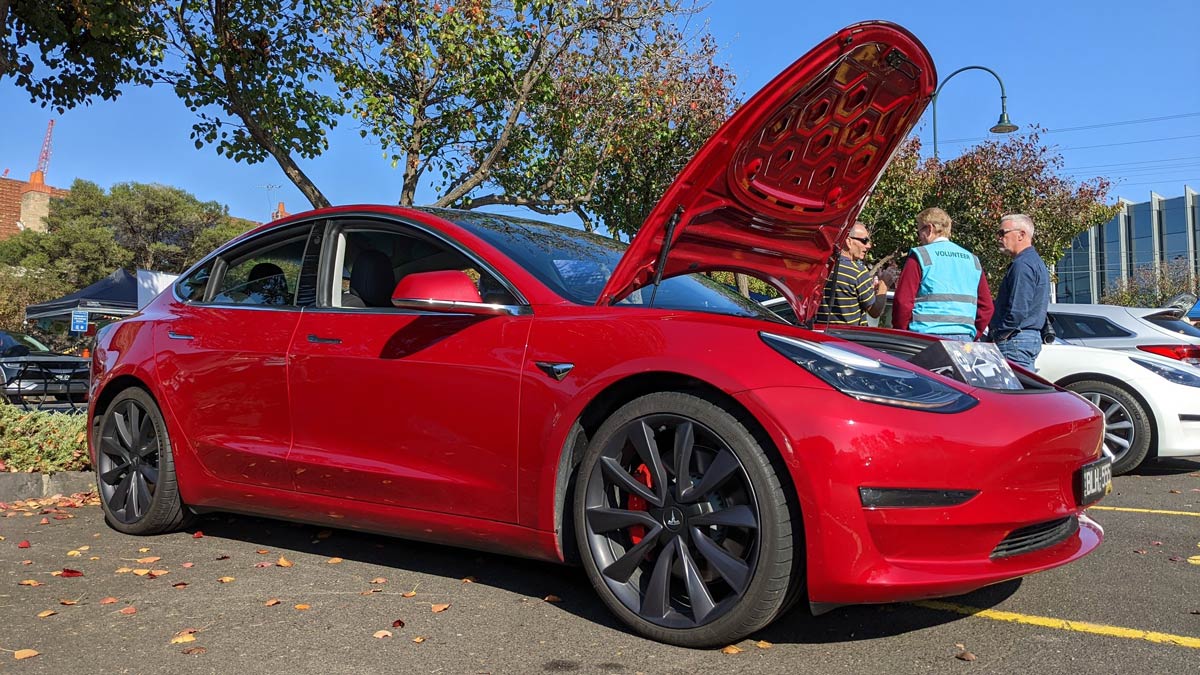
The Tesla Model 3 and a number of electric SUVs are proving to be the top choices for drivers going electric so far in 2022.
Electric vehicle sales in Australia are pushing higher, despite a global landscape tainted by supply chain and logistics issues, the ongoing Covid-19 pandemic, and the war in Ukraine.
As we reported on Friday, new figures from the Federal Chamber of Automotive Industries (FCAI) showed that it is Volvo and its all-electric offshoot Polestar that claimed the top-selling spots in the month of May, largely because Tesla has all but stopped delivering cars to Australia in recent months.
The Driven’s latest charts, based on this data, and compared against 2021, give us an insight into the changing market. (See chart at end of story).
In Tesla terms, May 2022 is also a far cry from May 2021. This time last year, a veritable “Tesla army” was readying to arrive on Australia’s shores as the Californian carmaker met record orders for the quarter and endeavoured to outsell even popular Toyota mainstays.
That month, it was estimated that 1,500 Model 3s arrived by ship from China, resulting in a viral video set to the tune of “The Imperial March” from Star Wars.
In 2022, Tesla has faced significant issues as it was forced to lockdown in Shanghai. Nevertheless, the Model 3 remains the number one best-selling electric car in Australia in 2022.
To date in May, Tesla has delivered 4,481 cars to customers – almost tenfold that of the next three electric models. But only 12 arrived in May, and not many more in April.
Note that we have included pre-sales data provided by MG, which is planning to start delivering its refreshed ZS EV compact SUV from next month. A spokesperson for MG tells The Driven the Chinese brand has pre-sold 192 in March, 129 in April and 134 in May. We are clarifying if the brand has reported these to Vfacts as sales.

This would theoretically put it at the second top EV so far in 2022, with the caveat that it still needs to actually get them into the country.
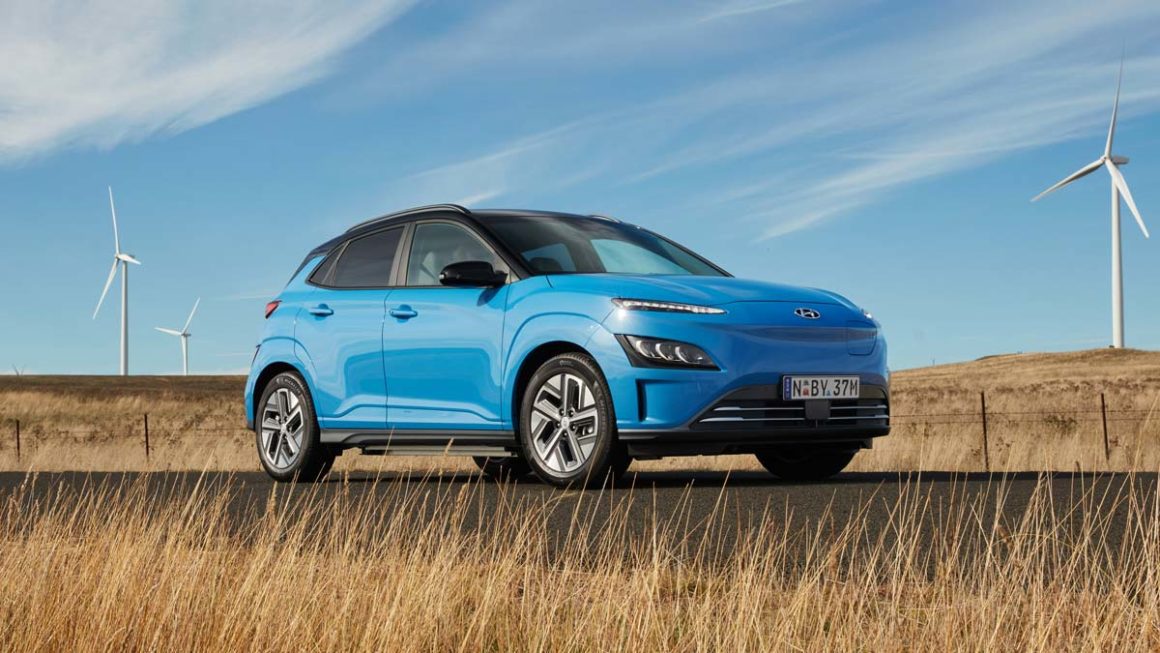
Taking MG out of the equation, however, it is still the Hyundai Kona Electric that is still proving the next popular choice for drivers going electric.
No doubt the compact SUV-style body combined with a considerable 484km driving range, or a new shorter 305km range option, have been deciding factors. Hyundai says it has sold 472 of these front wheel drive electric SUVs.
Next up is the EQA electric SUV, of which Mercedes-Benz says it has sold 415. Priced from $76,800 it is at the more affordable end of the premium electric offerings on the market. It is likely to get an additional boost in coming months when the EQA 350 arrives, adding a dual motor option to the fray.

Whether Volvo and Polestar will be able to push forwards with their month-leading sales as the year goes on is yet to be seen. Volvo has had to cancel numerous orders while Polestar is delaying deliveries of the Polestar 2, but have delivered 361 and 342 units respectively year-to-date.
Also of note is the Hyundai Ioniq Electric, which will stagnate now that the South Korean brand has called quits on the zippy fastback.
The other notable insight is that the Taycan – a market leader this time last year – has sold just 260 units so far in 2022.
With a lower priced rear-wheel-drive option now on the market, it will be interesting to see if drivers looking for a premium sub-$200,000 electric sports option will turn to this instead of waiting for the still non-existent Model S, which Tesla has not delivered since the beginning of 2021.