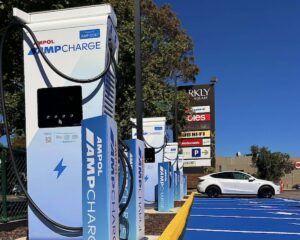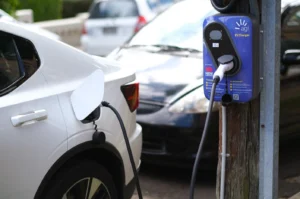
Energy networks argue the competitive market cannot provide kerbside charging. But this argument is based on a cost regime that is designed and imposed by energy networks.

The Department of Pedalling and Perspiration suggests cyclists should be paid $1 per kilometre and up to $50 a day for their efforts in reducing fuel consumption. I feel quite the April fool for wishing it were true.

The war in Iran underlines how fossil fuel addiction makes Australian road freight vulnerable. As the truckies’ bumper sticker puts it, “When trucks stop, Australia stops”. There are electric options.

It is clear, though, from the wide variety of different apps available in Australia that there is a big variation in both quality and approach to initiating charging.

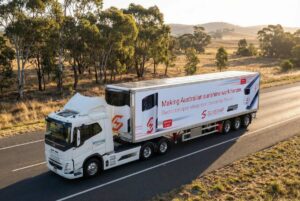
Fully electric trucks may still be years away, but new trailer technologies are already helping cut diesel use in Australia’s freight sector, from solar-powered refrigeration to regenerative energy axles.

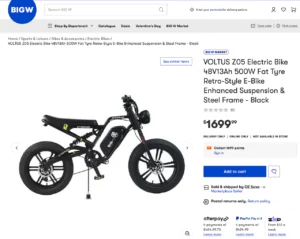
Queensland’s rumoured e-bike licensing plan may sound like a safety measure, but it risks discouraging cycling, hurting delivery workers and pushing more cars back onto already crowded streets.

If Chris Bowen and Jim Chalmers want to do something to boost electric vehicle uptake, there is a much better policy lever to pull than the Fringe Benefits Tax.

More than 40 years ago, Nicole Kidman’s career was launched by a film about BMX Bandits. These days, kids are riding e-bikes, and again copping flak. But the real problem is a lack of standards.

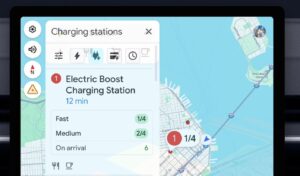
Google has just launched a new feature to make life a little simpler for EV drivers – an estimate of how many stalls will be free when you arrive at a charger on your route.

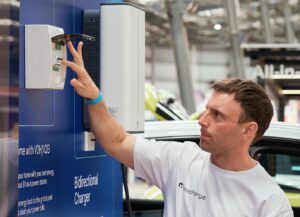
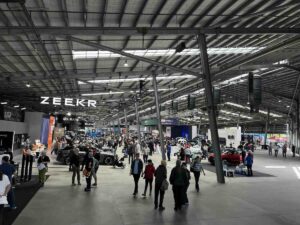
V2G was a prominent feature at the Everything Electric show in Melbourne over the weekend. But one offering in particular caught my eye.