Australia has paid more than twice as much as any other nation in additional diesel import costs during the global fuel crisis, with a report putting the toll at $9 billion over six months.
The added cost equates to $324 for every Australian, exceeding the bills incurred by Brazil, South Africa, France and the UK.
The Climate Council released the figures from its energy security scorecard on Wednesday, which also found Australia paid an extra $1.6 billion for petrol imports.
The findings come days after oil prices reached a six-month high amid escalating threats in the Middle East.
The council’s report, called Crude Awakening, analysed Australia’s energy security, its exposure to rising global fuel prices, and policies and progress towards electric transport and renewable energy.
It found Australia was the world’s largest seaborne importer of diesel, with imports responsible for 90 per cent of its supply.
Diesel use in Australia had also more than doubled since 2000 to 33 billion litres in 2025, with about a quarter used in mining.
Australia paid $9 billion in additional costs to import diesel between March and August, compared to an extra $3.5 billion in Brazil and $3 billion in the UK.
The nation also paid an additional $1.6 billion for petrol, or $56 per person.
Climate Council spokeswoman and economist Nicki Hutley said those costs had a widespread impact.
“We’re seeing costs (rise) right through the economy, whether it’s in inflation at the supermarket or all the way through the supply chain,” she told AAP.
“If we keep relying on imported oil, that is leaving our energy security in somebody else’s hands and we’re seeing that this year.”
Moves to renewable energy had saved Australians from some higher costs, the report found, with electric and hybrid cars cutting $1.7 billion in costs and saving the equivalent of 17.4 million litres of petrol and diesel per week.
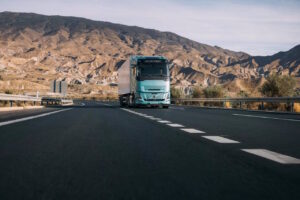
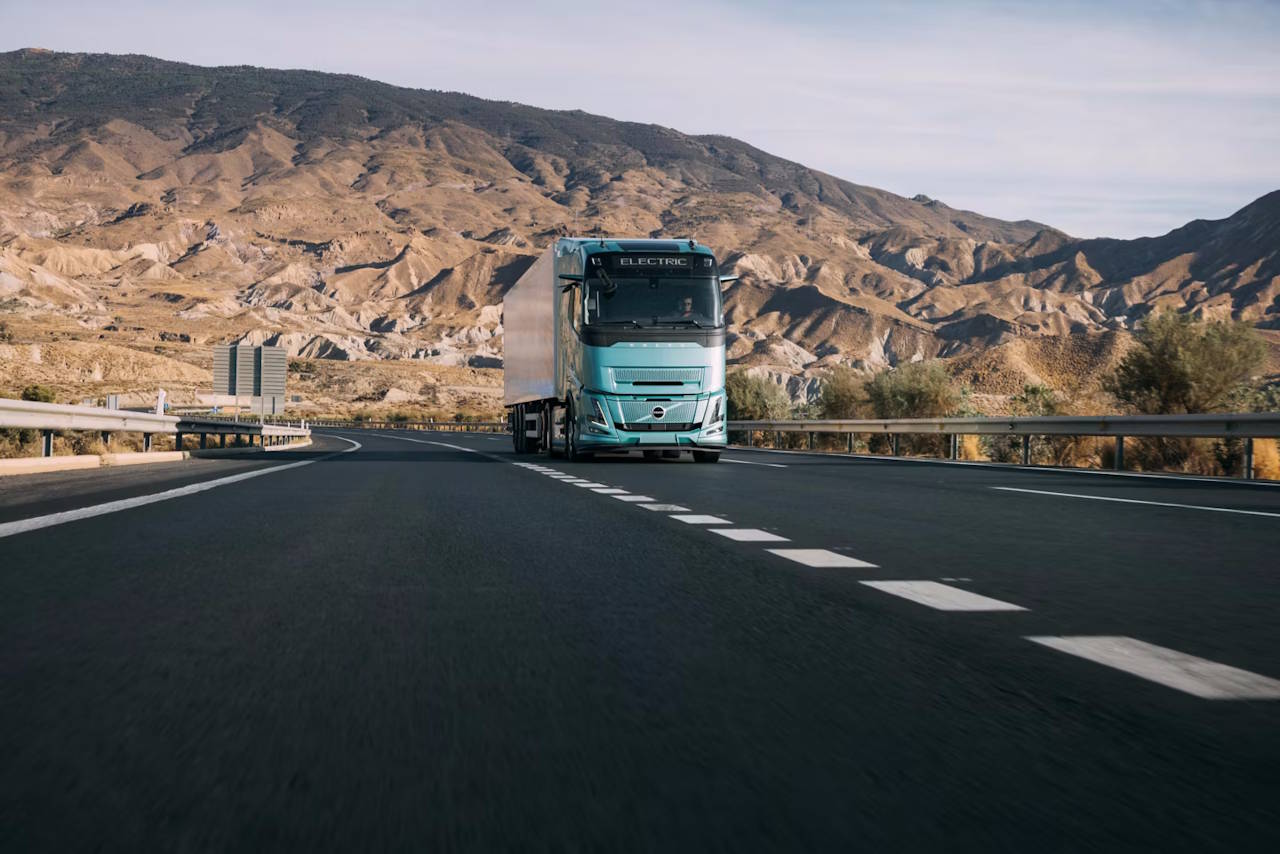
Australia was still slow to adopt electric trucks, with the vehicles representing 0.7 per cent of new sales compared to nine per cent worldwide, and had one public charging point for every 41 electric cars, compared to the global average of one for every 11 EVs.
Electrifying more vehicles and removing diesel fuel tax credits could help to protect Australia from future fuel shocks, Ms Hutley said, and state and federal policies should support the transition.
“Every crisis should be seen as an opportunity and we shouldn’t waste that opportunity,” she said.
“The best time to do this was yesterday, as they say, and the next best time is today to say what will set us up for a long-term future of energy security at lowest cost to Australian taxpayers.”
AAP