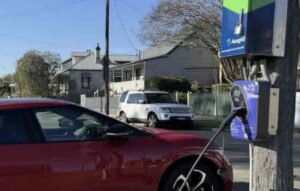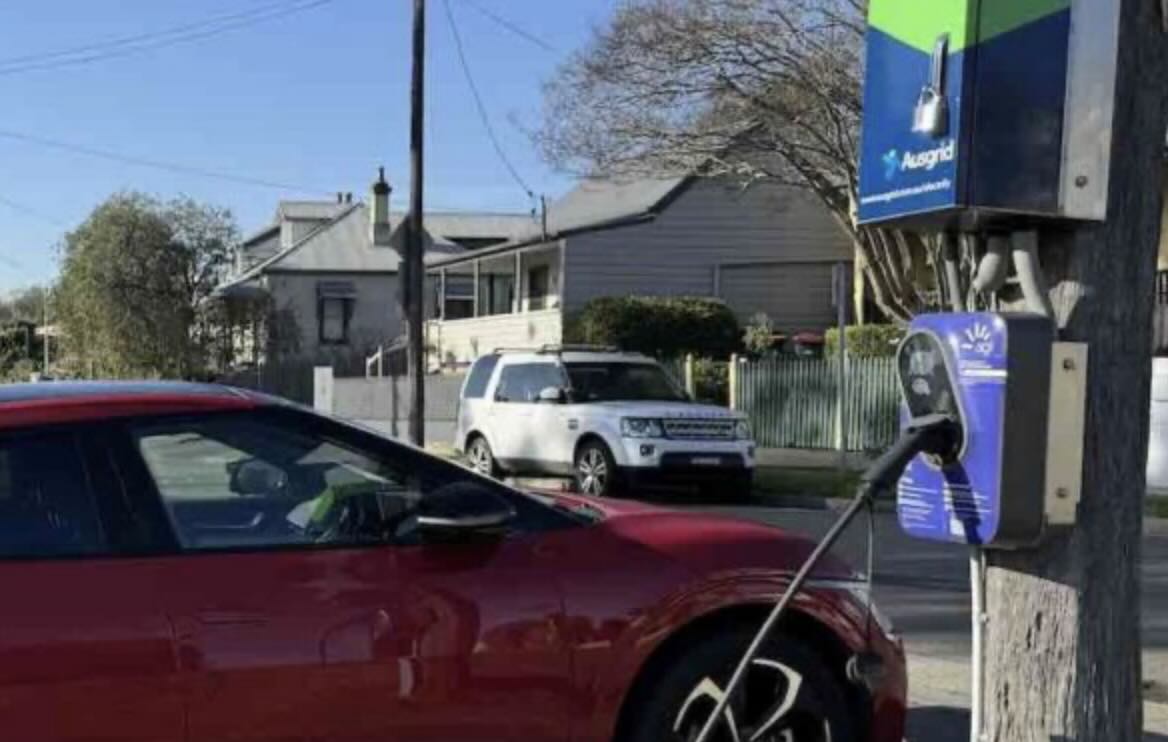
The NSW state government says it will invest $16.5 million to boost kerbside electric vehicle charging to enable more organisations and people to make the switch from fossil-fuel-powered cars.
The spending includes $11.5 million to help businesses, non-government organisations and councils electrify their fleets by installing charging infrastructure.
The remaining $5 million will support co-funding for additional kerbside charging. Recipients will get as much as $6,000 funding per AC charge port and $30,000 per DC fast charge port, the government said in a media release that also provided a website for more information on the funding.
One recent study found that prioritising kerbside charging may be most efficient when councils are involved to prioritise dedicated kerbside charging spaces.
Charging infrastructure in Australia lagged some overseas markets even before the rapid acceleration of EV sales in the wake of the US-Israel war on Iran and its disruptions to global oil markets.
August sales of EVs hit a record of almost a quarter of the new car market, notching a larger segment than for either petrol or diesel car sales.
“There are now more than 155,000 EVs registered in NSW, reducing the cost of living for drivers and saving more than 200 million litres of fuel a year in NSW,” energy minister, Penny Sharpe, said in a statement.
EV owners were saving as much as $3,000 on car running costs a year, the government said.
All charging sites would have to source 100 per cent renewable electricity for their electricity usage in perpetuity to be eligible for the funding, the statement said.
The grants would target businesses and councils with at least 21 passenger vehicles, SUVs, vans, utes and small trucks of up to 4.5 tonnes. Support for such recipients would be as much as $8,000 per DC fast-charging port and $2,000 for an AC charging port.
The government said funding for EV fleets to date has supported organisations to buy almost 5,000vehicles and install more than 1500 EV chargers. The Minns Labor government – which goes to the polls next March – said it had so far provided funding for 3,300 chargers.
Commercial carparks would also be eligible for the funding, in addition to council carparks and kerbsides.
The kerbside charging funds will be focused on 37 Local Government Areas, up from 32 regions previously eligible.
It’s the first time the Blue Mountains, Camden, Campbelltown, Hawkesbury and Wollondilly LGAs have been eligible for EV kerbside charging grants, a spokesperson for Minister Sharpe said.
- The eligible LGAs are:
Bayside Council
Blacktown City Council
Blue Mountains City Council
Burwood Council - Camden Council
- Campbelltown City Council
- City of Canada Bay
- City of Canterbury Bankstown
- City of Newcastle
- City of Parramatta
- City of Ryde
- City of Sydney
- City of Wollongong
- Cumberland City Council
- Fairfield City Council
- Georges River Council
- Hawkesbury City Council
- Hornsby Shire Council
- Hunter’s Hill Council
- Inner West Council
- Ku-ring-gai Council
- Lane Cove Council
- Liverpool City Council
- Mosman Council
- North Sydney Council
- Northern Beaches Council
- Penrith City Council
- Queanbeyan-Palerang Regional Council
- Randwick City Council
- Shellharbour City Council
- Strathfield Council
- Sutherland Shire Council
- The Hills Shire Council
- Waverley Council
- Willoughby City Council
- Wollondilly Shire Council
- Woollahra Municipal Council