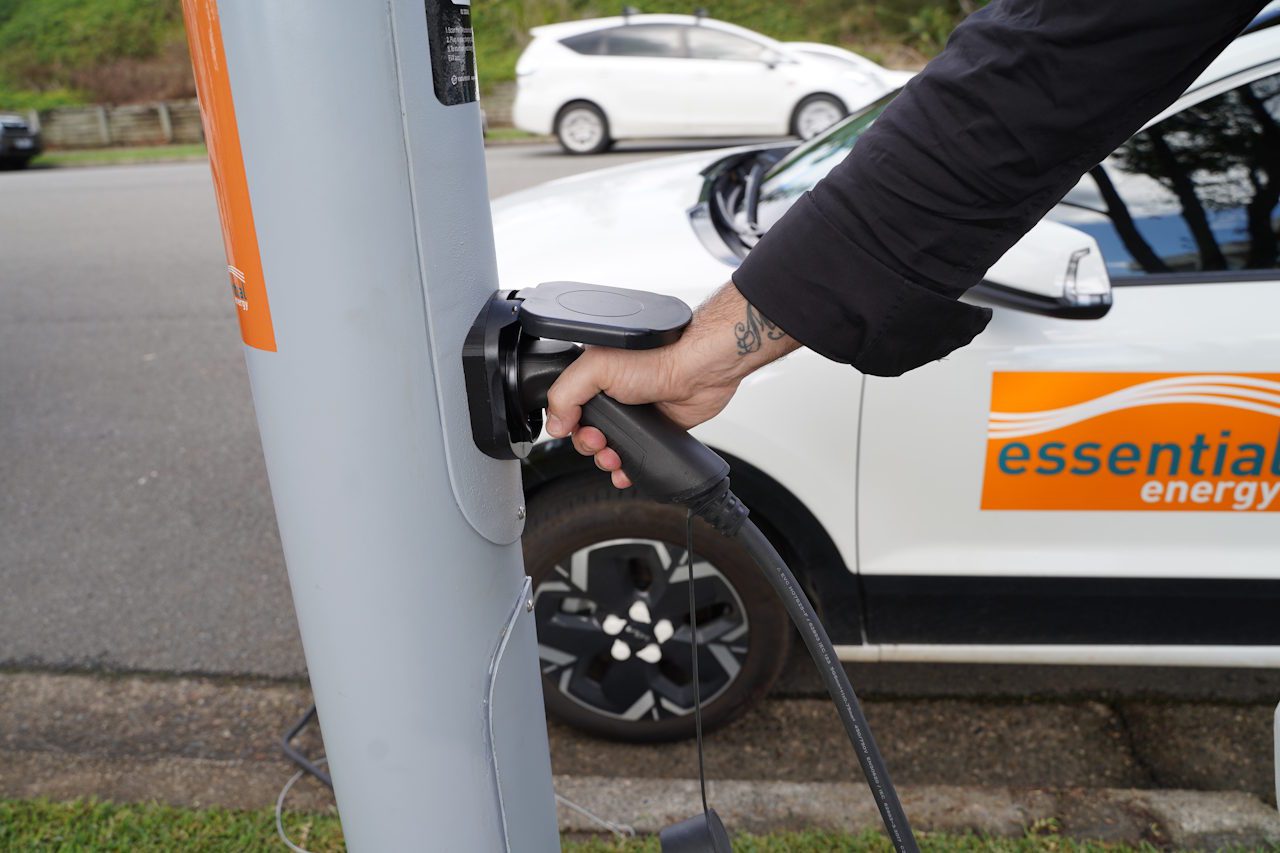
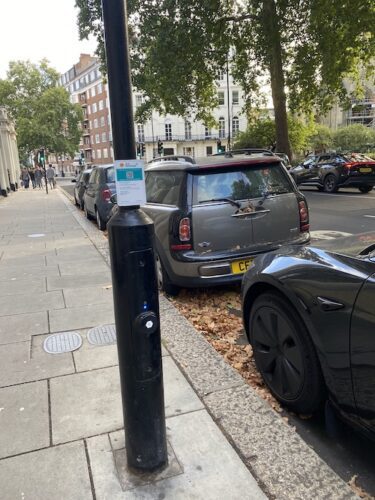
Regional New South Wales network company Essential Energy has been granted permission by the energy regulator to install 300 streetlights that double as electric vehicle chargers, with all of the infrastructure inside the pole.
The company runs the whole regional network in New South Wales (NSW), with a brief that run from Bega in the south, Broken Hill in the west and up into southern Queensland, taking in Goondiwindi and Tweed Heads.
The waiver from ring-fencing rules, the restrictions that prevent monopoly networks from competing with private companies, will allow the test to run between January 2028 and October 2029.
After that, Essential will need to get a new waiver, sell the charging hardware to a private company, or rip it out.
The six waiver conditions say Essential must run a tender for a charge point operator, make the lease fees public, and produce a report each April showing how the chargers are preforming technically and the average rates EV owners have paid.
Plug and Play test of tech
The streetlight chargers are part of a $6 million program that Essential is running alongside the Australian Renewable Energy Agency (ARENA), which is kicking in $2.3 million.
The first stage, which doesn’t need a waiver, was to make 1000 poles in rural and regional areas available to private operators to attach a charger to.
The second stage is the streetlight experiment, which will run between January 2028 and October 2028, with “knowledge-sharing” to come in the year after that.
The difference between this waiver and the reluctant rule change from the Australian Energy Market Commission (AEMC) to open the way for network operators to install federally-funded chargers, is technology.
“The AER considers the trial will contribute to the achievement of the National Electricity Objective by testing whether embedded charging infrastructure can make more efficient use of distribution assets and available network capacity… without displacing market-led investment,” the market regulator said in its reason for the decision.
It says the trial is not a sign the private market has failed or that the DNSP can deliver a better service.
But AER board member Jarrod Ball had a different take, saying in a statement the trial is to test demand for kerbside chargers in regional areas and where the right locations are.
“It will also provide further insight on where chargers may be needed, how communities use them and how to make better use of the network,” he said.
“We’ve set clear conditions to protect and promote competition and ensure the findings are published, so the benefits extend beyond the trial.”
Land grab or modern service
DNSPs are being accused of a land grab and trying to add consumer energy resources to already-extensive regulated asset bases, which they’re allowed to earn revenue through the network charges on all electricity bills.
Market experts such as Nexa Advisory director Stephanie Bashir fears the swathe of waivers over the years is indicative of a general push by networks into spaces they are supposed to be preventing from entering.
The AER has issued two waivers for kerbside charging, for Essential in NSW and a five year, 100 charger trial for Citipower- PowerCor-United in Melbourne, and okay’d a five-year trial of 1000 pole-mounted chargers via its innovation sandbox for Ausgrid-owned Plus-Es.
It has also approved waivers for Ausgrid’s controversial Community Power Network trial that will allow it to own and operate rooftop solar and battery equipment.
But DNSPs say it’s time the rules, put in place about 15 years ago, changed to allow them to better use the infrastructure they already own to open the throttle on what consumer energy resources might be able to do.
The costs of this latest trial will not be sheeted back to household bills, and entirely covered by Essential and ARENA, the pair say.