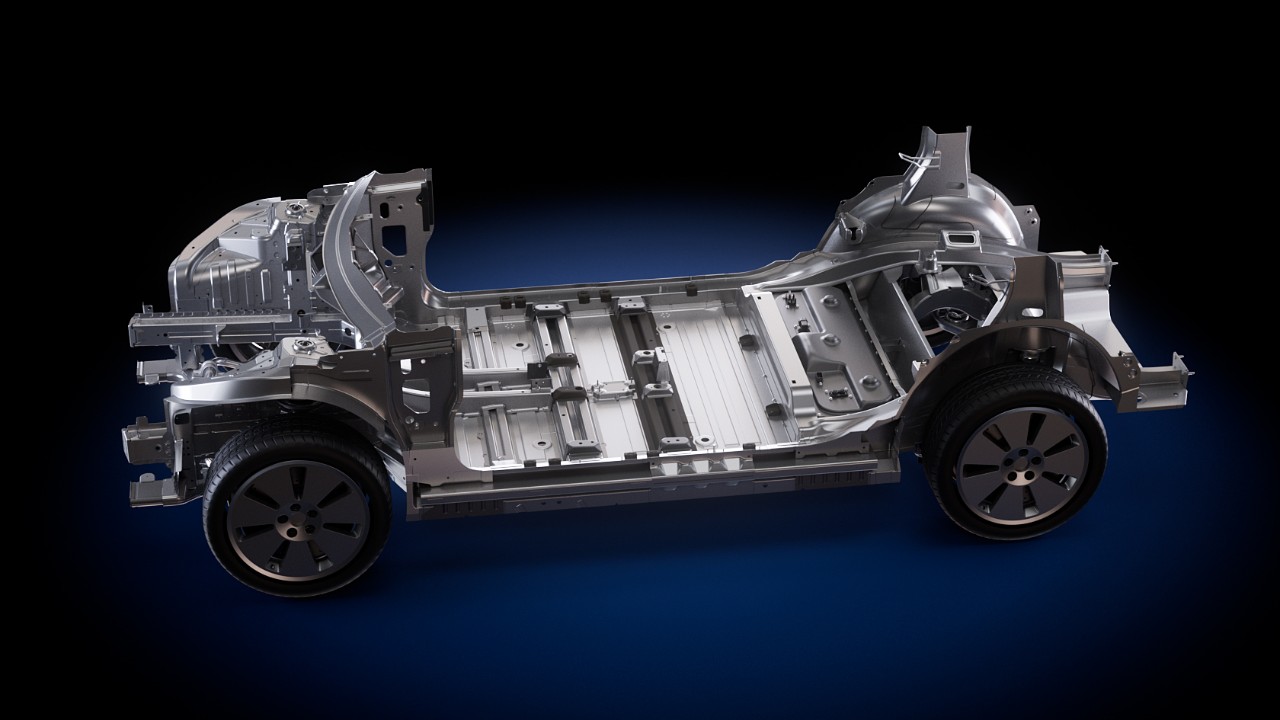
American automotive giant GM is having another crack at the EV market, unveiling its fourth-generation electric vehicle (EV) platform which will be based around the world’s first production lithium manganese rich (LMR) battery and a new family of electric motors and power electronics that cuts the number of parts inside each drive unit by 40 per cent.
According to GM, all of these improvements combine to deliver approximately 20 per cent more range on every kilowatt-hour of energy.
The new platform is built around a new lithium manganese rich (LMR) battery chemistry in prismatic cells that has been produced by GM’s Ultium Cells joint venture with LG Energy Solution.
GM claims that its LMR battery chemistry is designed to offer 33 per cent more energy density than lithium iron phosphate (LFP), supporting longer driving ranges in a smaller, lighter battery pack at a price comparable to LFP.
The new batteries are set to be used in GM’s highest-volume segments, where range, durability, and affordability matter most, the new LMR chemistry was tested using computer modelling, supposedly analysing 300,000 battery designs before ever building a single physical prototype. In fact, according to GM, the first LMR battery pack concept preceded formal program approval by only one month.
The new electric motors and power electronics also boast 40 per cent fewer parts inside each drive unit, resulting in a smaller, lighter system that allows for increased interior for people and cargo while also helping reduce production costs.
A new compute and electrical architecture with fewer control modules and 30 per cent less wiring than today’s EVs also provides 40-times more processing power for AI-enabled features.
The new platform has been developed on the company’s new operating system – a step that GM says has allowed “designers, engineers, and manufacturing teams [to] explore more possibilities and solve problems together earlier instead of waiting for each other down the line.”
“Instead of defining limited paths for a vehicle and picking one, teams can explore hundreds of thousands of options through concurrent development and a ‘better-faster’ cycle,” the company said.
“Every component, every gram, and every atom of material” has “earned” its way into the new platform, yielding mass and aerodynamic benefits from cheaper batteries, smaller motors, and a lighter vehicle overall.