The Electric Vehicle Council on Wednesday released the 10th edition of the State of EVs, our annual check-up on Australia’s EV industry. In short, EVs have truly hit the suburbs, but we have much more work to do on electric trucks and charging infrastructure.
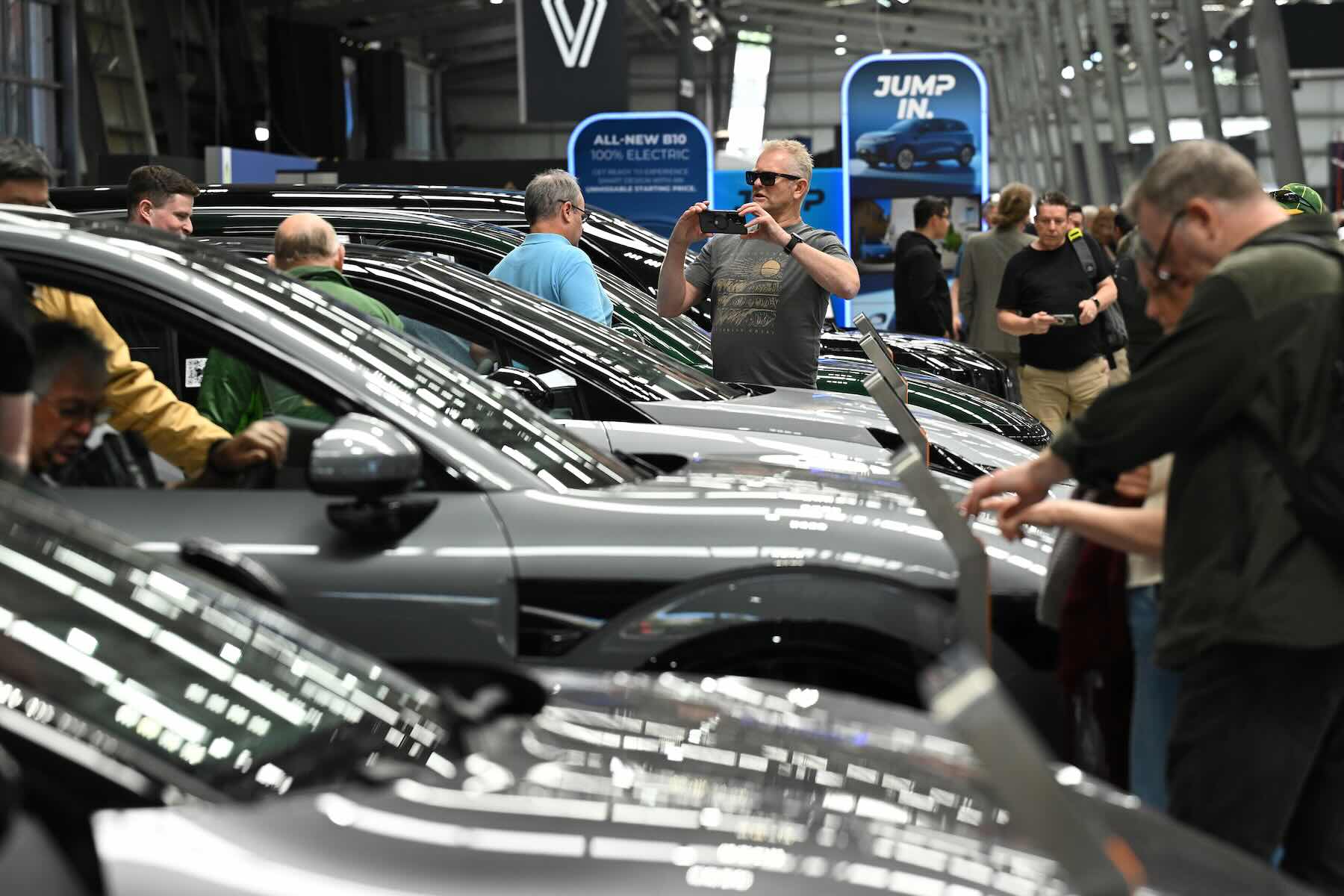
Australians bought 157,957 EVs in the first half of this year, around 104,000 battery electric vehicles and 54,000 plug-in hybrids. This is up 117 per cent on 2025 and means one EV sold every hundred seconds so far in 2026. In August, for the first time in this country’s history, EVs outsold both petrol and diesel, taking 24.9 per cent of the market with a record 27,078 sales.
For context, when we published the first State of EVs in 2017, Australians bought 2,284 electric cars in the entire year. There are now more than 600,000 on our roads.
Buyers are spoilt for choice. There are now 196 EV models available in Australia, up 28% from 153 models, twelve months ago. The Tesla Model Y was the most popular car in the country for several months this year, not just the most popular EV. BYD is the second highest selling brand overall. Neither of those sentences would have been plausible three years ago.
So the passenger market is underway. Unfortunately, the story is not so rosy when it comes to electric trucks or charging infrastructure.
Trucks have not moved
Heavy vehicle sales have barely grown. Electric trucks still face mass and noise restrictions designed for diesel vehicles. Despite the fuel crisis, no meaningful policy reforms or financial incentives have been introduced to help mum and dad truck businesses move from diesel to electric.
That’s in stark contrast to countries like the UK and Canada which offer up to AUD250,000 for each truck. The lesson from this fuel crisis is clear: every truck we switch to electric reduces Australia’s reliance on imported diesel.
This is not a technology gap. In July the Prime Minister was at Volvo’s Wacol site in Brisbane’s south-west to see the first Australian-made electric trucks come off a line that has built diesel trucks for fifty years.
The vehicles exist. What does not exist is financial incentives for small business operators to make the switch, depot charging at scale, grid connection timelines an operator can plan a fleet purchase around, or any policy that stops the first movers carrying all of the risk.
It matters more than the sales numbers suggest. Heavy vehicles are a small share of the fleet and an outsized share of both our emissions and the fuel we import.
Diesel in a linehaul truck is priced into groceries, building materials and everything else that moves. Just as switching to EVs helps everyone, whether or not they drive electric, electric trucks do too: less imported fuel, lower costs on the goods we all buy, and cleaner, quieter streets.
Charging is deeper, not wider
Public charging has grown. Fast charging connectors increased 31 per cent over the past year while charging locations grew 18 per cent, which means more capacity at the sites we already have and shorter waits at the busy ones. That is real and the companies who built it deserve the credit.
But connectors and coverage are different things and only one of them kept pace with vehicle sales. The rollout of new sites is slowing andwith Australians buying EVs in record numbers, we cannot afford to stand still.
The two challenges coming in fast are – reliable charging where it’s needed most, including regional and outer-suburban communities, and planning ahead for both cars and trucks.
The next wave has to be planned now.
What happens next
Right now, Australians are living through a period of record fuel prices. We are all hunting for ways to save money. At the same time, our country is steadying itself in a rapidly uncertain geopolitical environment.
Both everyday Australians and Australian governments are looking to cut costs and get back control. EVs allow people to take back that control by slashing the weekly fuel bill. They help our economy become resilient and our country stand on our own two feet.
But this promise of control over our fuel bills faces challenges in the year ahead.
The Federal Government needs to update the New Vehicle Efficiency Standard for 2030 and beyond by the end of next year. If the Standard isn’t extended, Australians will be forced to drive more expensive petrol and diesel cars.
As EV uptake grows, the need for national coordination on a charging plan for cars and trucks gets more urgent. And we need to get serious about moving our trucks off diesel and onto electricity to cut costs and improve our fuel security.
Ten years ago, electric transport in Australia was an idea, with just 2,284 EVs sold in the entire year. Today EVs outsell petrol. But if there’s anything we’ve learned about the energy transition, it’s that progress is not inevitable.
Julie Delvecchio is CEO of the Electric Vehicle Council.