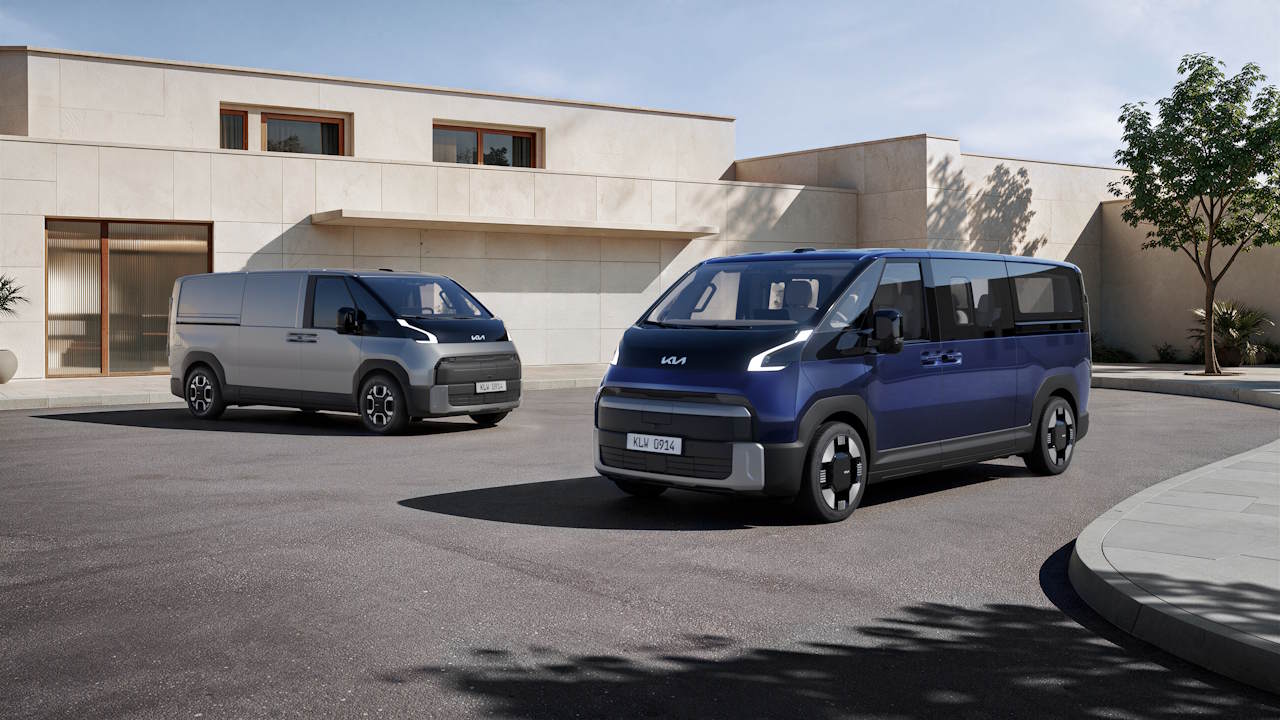
South Korean automaker Kia debuted this week a new electric van at IAA Transportation 2026 in Hannover, Germany, which will be available in Australia in the fourth quarter of 2027.
The new PV7 is the second model from Kia’s dedicated, all-electric Platform Beyond Vehicle (PBV) lineup, following the PV5 already on sale in Australia, combining space, flexibility, and capability for both commercial operations and passenger transport.
“The PV7 marks the next step in our journey toward personalized mobility, building on the foundation established by the PV5,” said Ho Sung Song, president and CEO at Kia.
“By bringing together hardware developed for specific applications, business-tailored software, and dedicated PBV services, the PV7 goes beyond the vehicle itself to deliver a complete business solution that helps customers achieve greater productivity, flexibility and long-term value.”
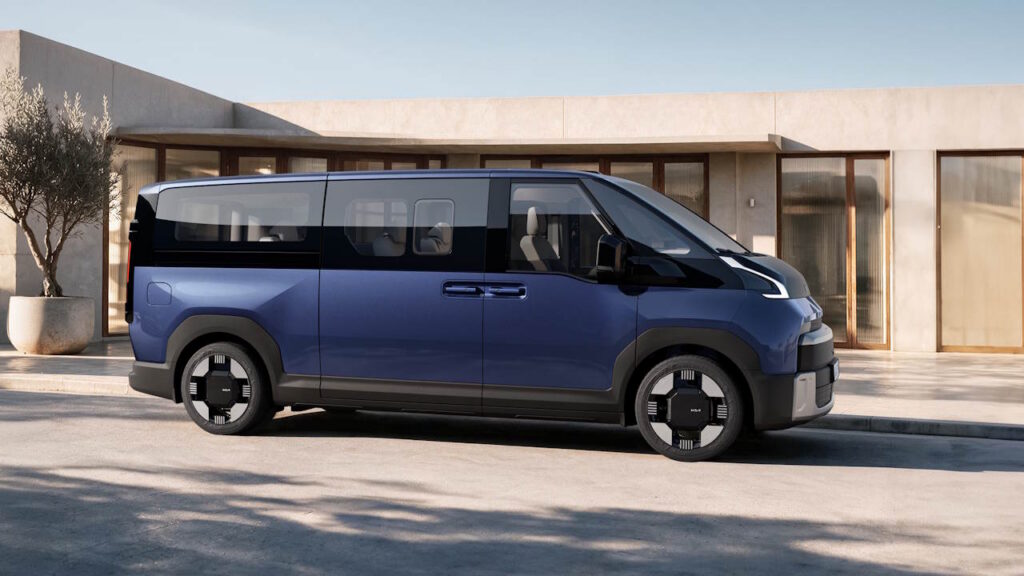
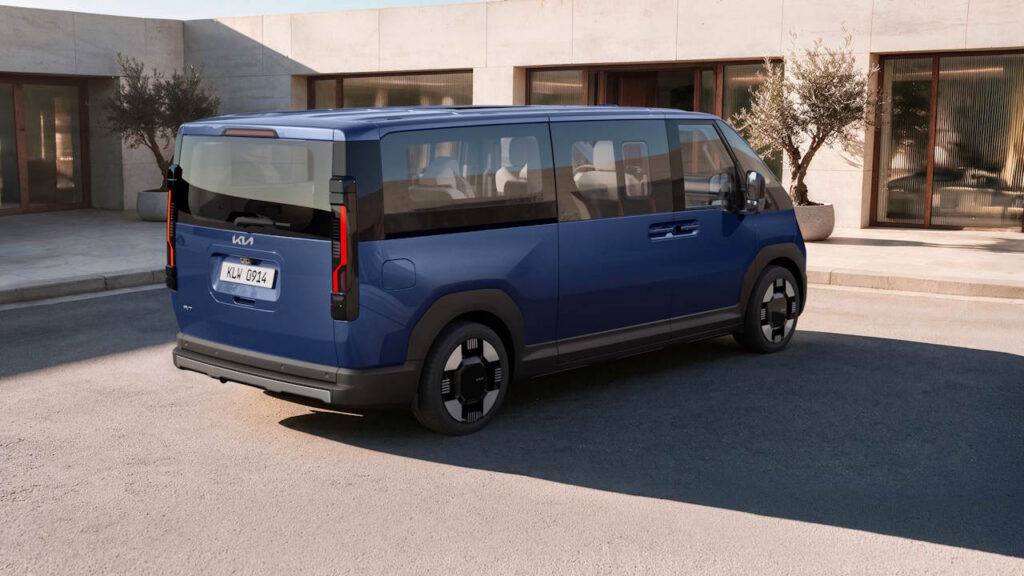
Built on the PBV platform and featuring a PBV-dedicated E-GMP.S architecture combining 800V charging and long-range capability, the PV7 will be available in two nickel cobalt manganese (NCM) battery options – 71.5 or 96.2 kilowatt-hours (kWh).
Both battery options will be available in either the 9-seat passenger or 2- or 3-seat cargo variants, all putting out 200 kilowatts (kW) of power and 420 Nm of maximum torque.
Kia has promised an eventual full PV7 lineup including the launch ‘Long’ in both cargo and passenger, as well as Compact for both variants, High Roof for the cargo, a dedicated chassis cab for specialist applications, and a wide range of conversion models.
Range details were only released for the Long Range Cargo variant, which will offer over 460 kilometres (WLTP) and 350-kilowatt (kW) DC fast charging enables 10-to-80 per cent charging in the mid-20-minute range. The PV7 will also offer dual charging points, including a front AC/DC port and an optional rear-side AC charging port.
The PV7 also features vehicle-to-load (V2L) functionality, enabling the PV7 to power and charge tools, business equipment, and other devices through exterior and interior outlets. A dedicated heavy-load driving mode also helps the Cargo variant maintain stable driving performance by adapting to varying payload conditions.
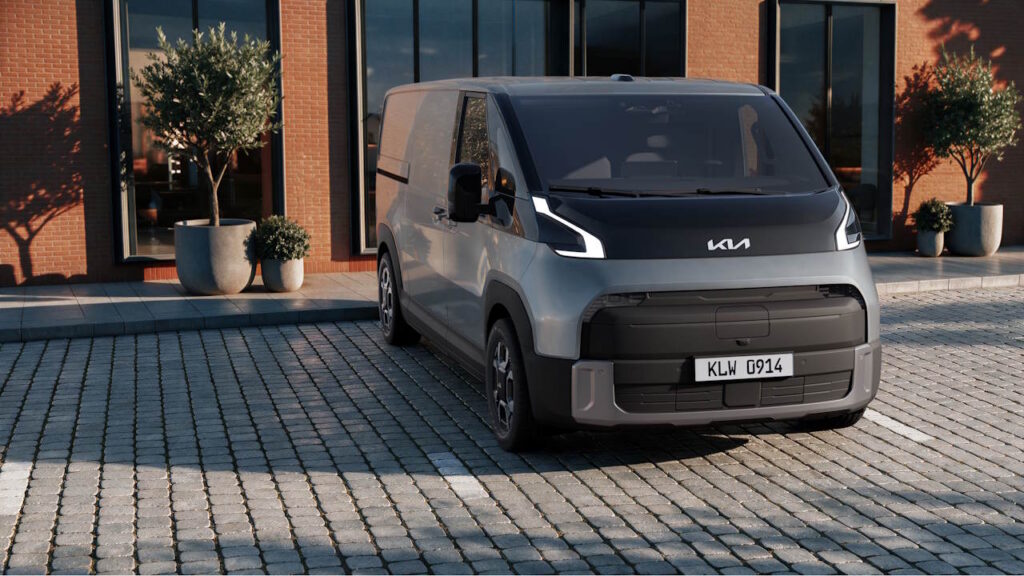
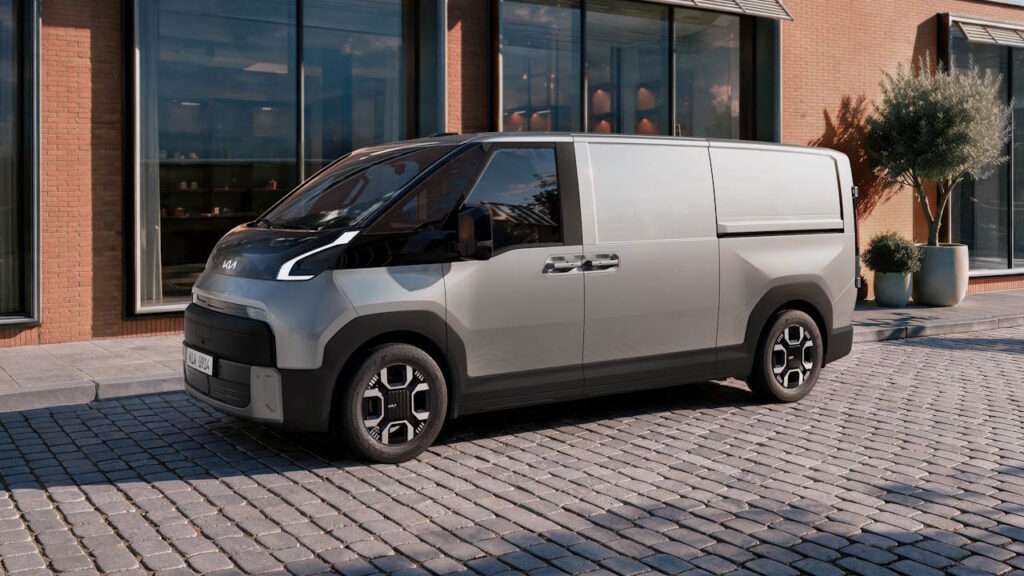
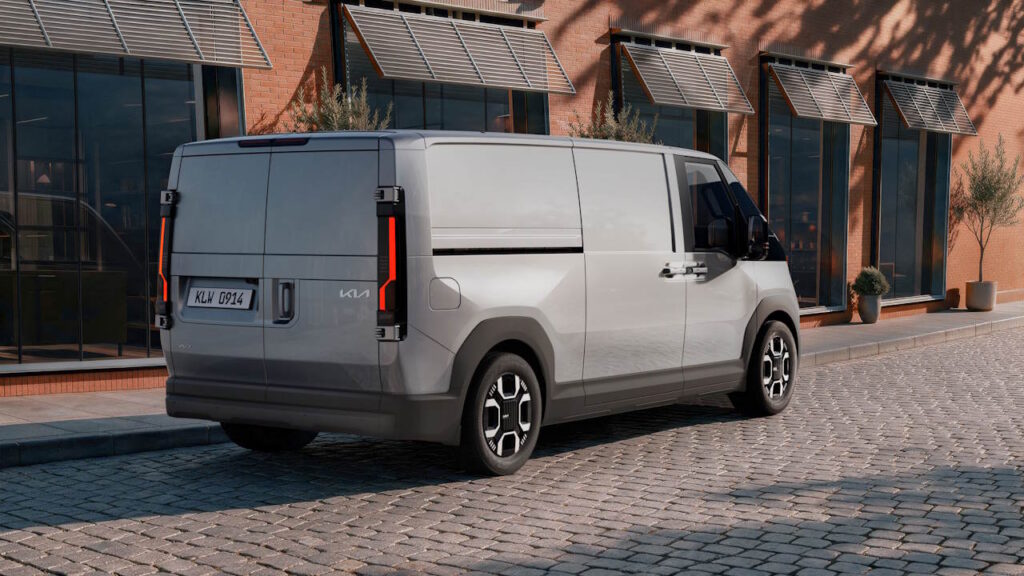
The Cargo Long model offers up to 6.1 m³ of cargo space while the Cargo High Roof will offer up to 8.0 m³. Maximum payload capacity is rated at 1,165 kg for the Long variants and 1,200 kg for the Compact, while the Long features a 550mm loading height and capacity for up to three Euro pallets.
As part of Kia’s effort to offer a van tailored to a wide range of professions and uses, there are a number of options for the Cargo variants, such as various floor materials, the choice between a full-open twin-swing tailgate or a conventional lift-up tailgate.
A “Smart Walk Away” automatically closes the power sliding door when the driver leaves with the smart key, while cargo-door status monitoring enables remote status checks.
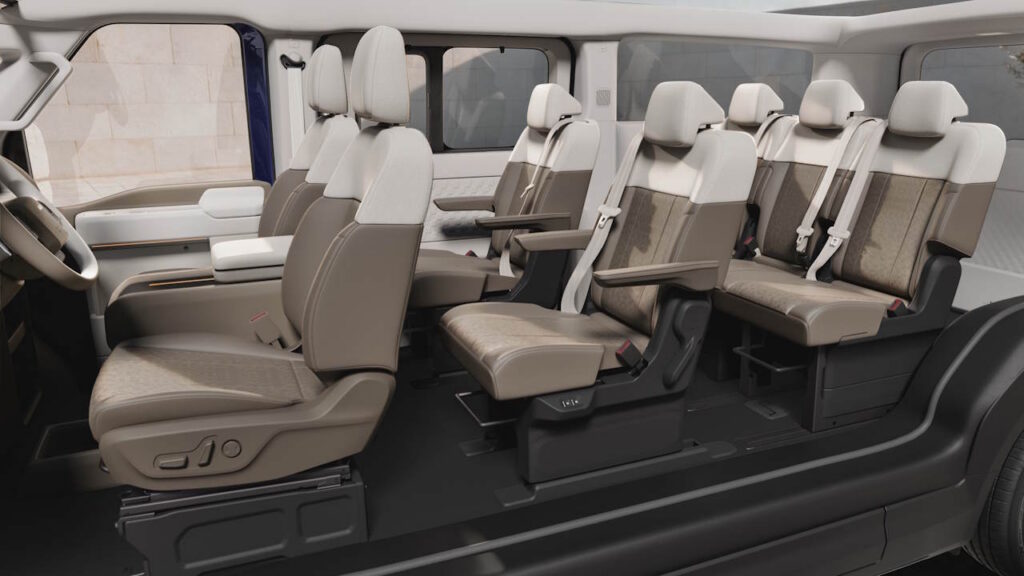
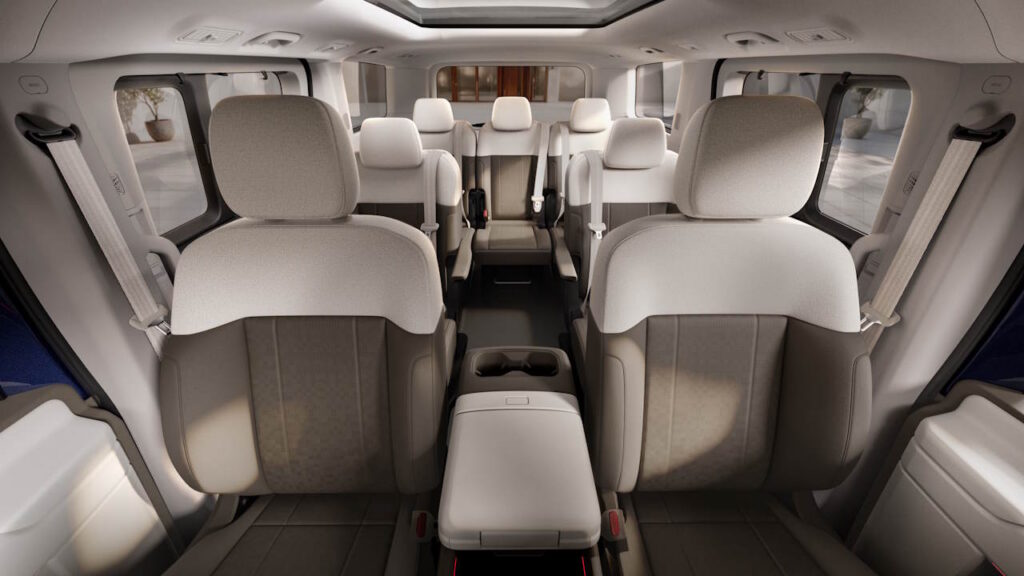
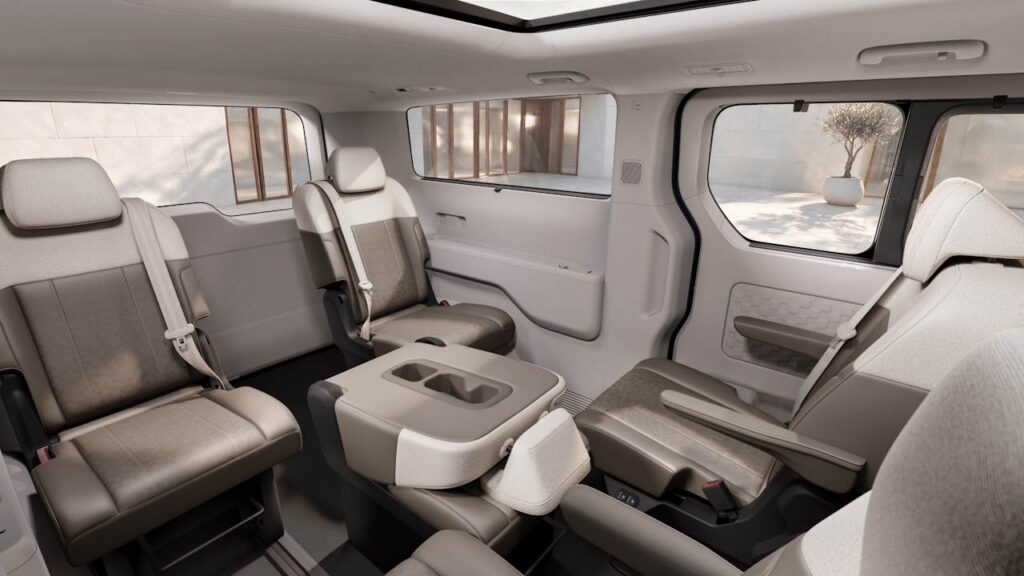
The Passenger variants offer seating up to 9 occupants globally, and up to 11 in Korea, with a variety of seating configurations and long-rail easy to remove seats.
All variants of the PV7 also come with a comprehensive suite of safety technologies and advanced driver-assistance systems (ADAS) as well as a seven-airbag system including a roof-mounted front passenger airbag.
The PV7 Passenger and Cargo models are expected to go on sale in Korea and Europe in the second half of 2027, and in Australia in the fourth quarter of 2027.
Sign up for The Driven’s free daily newsletter and get the latest EV news and analysis delivered straight to your inbox.