Interest in purchasing battery electric vehicles (BEVs) has surged across Australia, according to new research from leading motoring and roadside assistance organisation NRMA.
The third Changing Gears report, which draws on a survey of approximately 2,000 Australians, reveals that attitudes towards EVs are steadily shifting, and only 17 per cent of those surveyed said they would not consider an EV.
The survey found that while practical concerns about charging, battery life, and resale value continue to hold back some potential buyers, the argument that EVs are unable to meet every day driving needs in Australia is becoming less and less tenable.
Only 38 per cent of those surveyed raised this concern, down from 45 per cent in 2024. Similarly, doubts over EVs suitability for Australian conditions has also fallen, from 36 per cent to 31 per cent.
According to NRMA Insurance CEO Julie Batch, the shifting stance to EVs shown in the numbers confirms that Australians are beginning to look beyond whether they want an EV or not to whether actually owning an EV would fit into their lives.
“There’s no doubt 2026 has been the tipping point for EV adoption,” said Batch.
“More affordable vehicles, expanded charging infrastructure and government incentives have all helped move EVs into the mainstream. At the same time, rising petrol prices and concerns about long-term fuel security have given consumers even more reason to consider an EV.”
Importantly, Batch believes that Australians no longer need to be convinced about the benefits of EVs, but are instead looking for the confidence that owning one will be both straightforward and practical.
Since the first survey was conducted in 2024, consideration of owning a BEV has increased from 20 per cent to 31 per cent, matched by similar interest in plug-in hybrid EVs (PHEVs), which jumped from 41 per cent to 58 per cent. Australians already familiar with EVs are also much more likely to consider purchasing an EV, 63 per cent compared to 24 per cent.
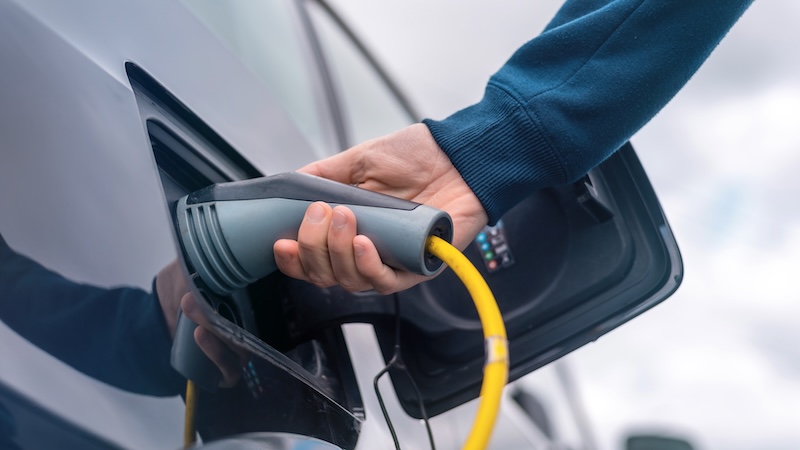
“Australians want to know they can charge the vehicle where they live, that their battery is safe and will last, and that a local repairer will be able to fix it if something goes wrong,” said Batch.
“Our research shows the barriers to adoption are less about the technology itself and more about the everyday realities of ownership. Addressing those concerns will be critical to helping more Australians make the switch.”
Among the 17 per cent of Australians who vowed never to buy an EV, battery health and longevity were top of mind (60 per cent), followed by driving range (56 per cent), charging time (54 per cent), and battery fire risk (52 per cent). Public EV charging and a lack of charging options at home also remain concerns, as does the fear that there aren’t enough mechanics to service EVs.
As these perceived concerns suggest, there remains a prevailing gap between fact and fiction, with many Australians relying on outdated and disproven perceptions of EV ownership.
“Some of the concerns we see around battery health and safety don’t reflect the reality of modern EVs, but that doesn’t mean they should be ignored,” explained Batch. “The challenge is helping Australians separate fact from fiction and to make decisions based on reliable information.
“For example, independent battery testing is already widely available and can provide buyers with a clear picture of a battery’s condition. When it comes to fires, EV battery fires are extremely rare and when charged correctly, there’s virtually zero fire risk.”
Similarly, according to Shawn Ticehurst, head of automotive research at NRMA Insurance,” the concerns people have about EV repairs and servicing are often greater than the reality on the ground.
“While 26 per cent of EV non-considerers say a lack of mechanics is a barrier, the industry is rapidly building the skills and training needed to support more EVs on Australian roads,” said Ticehurst.
“As EV ownership grows, so too does the repair and service network. The challenge is making sure consumers are aware that capability is growing alongside adoption.”
NRMA proposed five priorities to address these challenges, starting with the need for a national consistent battery health standard to help drive confidence in the used EV market, paired with a comprehensive battery stewardship framework that covers collection, recycling, repurposing, and end-of-life management.
Solving charging for apartment residents is another priority, which needs accelerated investment and policy reform to expand EV charging in strata and apartment buildings. And greater attention needs to be paid to those living outside of Australia’s major cities, including building up repair capability and prioritising regional and remote communities.
Sign up for The Driven’s free daily newsletter and get the latest EV news and analysis delivered straight to your inbox.