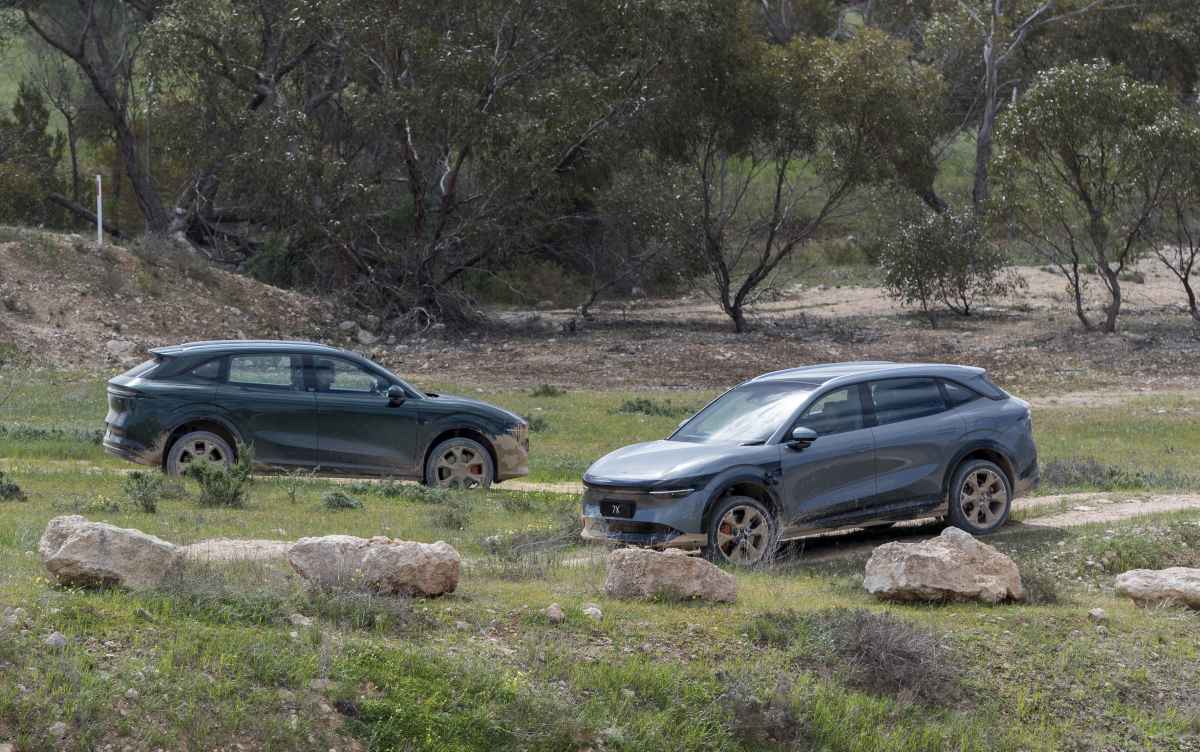
The Zeekr 7X arrives in Australia with a sort of self-assurance usually reserved for brands that have been here for decades. It is large, fast, beautifully finished, and packed with technology that seems convinced it knows what you want before you do.
But unlike some technology firms that insist progress means buying an adaptor and getting on with it, Zeekr takes a more civilised approach. The clever stuff is offered, not imposed.
The self-opening doors, for example, which I found to be hesitant, overly cautious, and occasionally convinced there’s an obstacle nearby when there very clearly isn’t, are there if you want them – and mercifully, can be turned off if you don’t.
The 7X would be the second time I’ve stepped into a Zeekr car, the first time being inside a stationary 009 Grande at the opening of their Chatswood showroom. I described that vehicle as suitable for an oligarch who still enjoys doing the morning school run, and despite not having driven the 009, it seemed very much more like a car that is to be driven in.
The 7X however is a different story, this very much is a car to drive yourself. For a four year old brand, I was delightfully surprised at the level of refinement and genuinely good engineering that seems to have gone into this car.
It starts to make more sense knowing that Zeekr is the premium electric arm of China’s Geely Group, which also owns Volvo, Polestar and Lotus. That lineage matters, because the 7X does not feel like a startup experiment.
The AWD Performance version which I had to drive for a week uses dual electric motors delivering around 475 kW and 710 Nm, enough to propel this large SUV from 0–100 km/h in a claimed 3.8 seconds. That is serious performance that really no one needs, but it’s smashing fun.
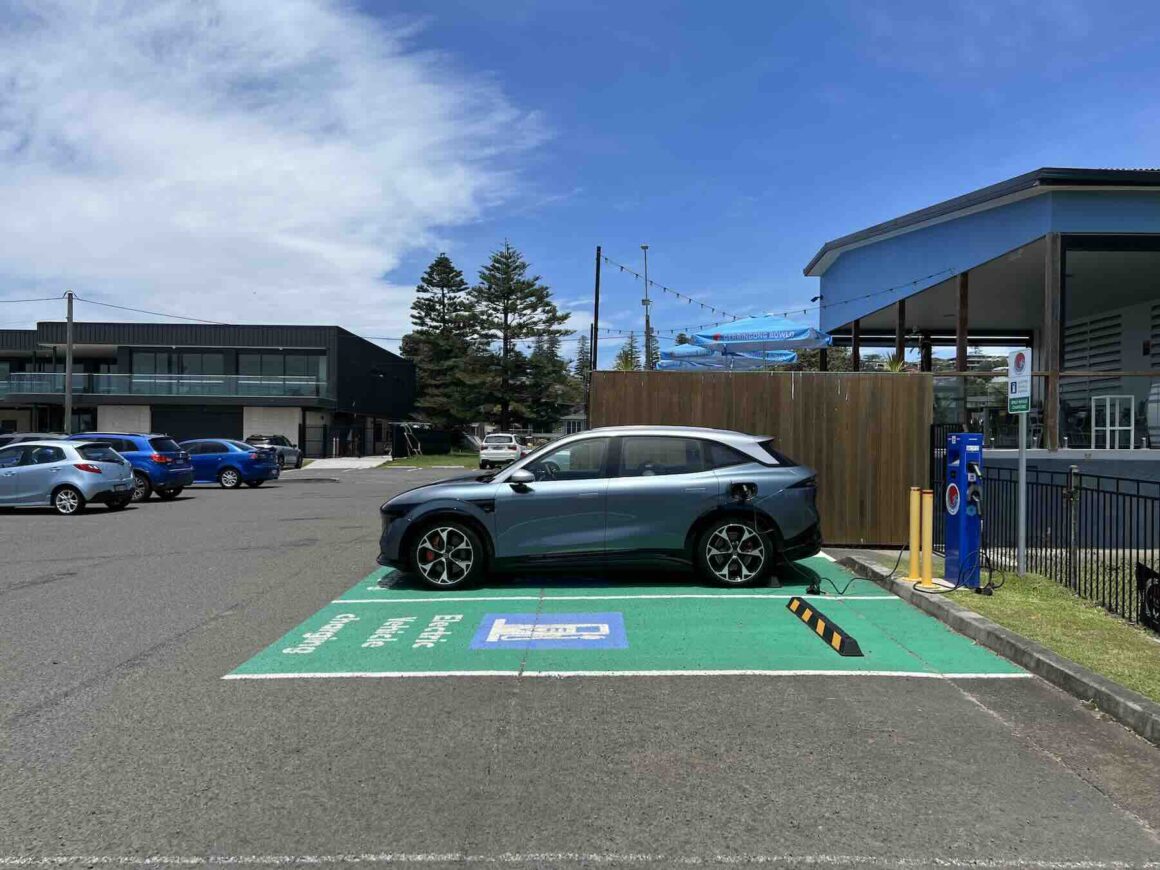
Power comes from a 100 kWh CATL “Qilin” battery paired with an 800-volt electrical architecture. Under ideal conditions, Zeekr claims a 10-80 per cent DC fast-charge time of around 16 minutes, placing it among the quicker-charging EVs currently available.
The AWD Performance model carries a WLTP range rating of approximately 543 km. For the week I drove it that figure proved optimistic, though the car was driven briskly and spent much of the week operating in high-30s Celsius temperatures – conditions that are rarely kind to range figures.
Steering is light but accurate, and the car feels smaller than its dimensions suggest. This is not a sports SUV in a classic sense, but it is an exceptionally capable long-distance cruiser.
For a car from a new brand to drive this well, you’d be right in thinking the trade off would be in the interior cabin.
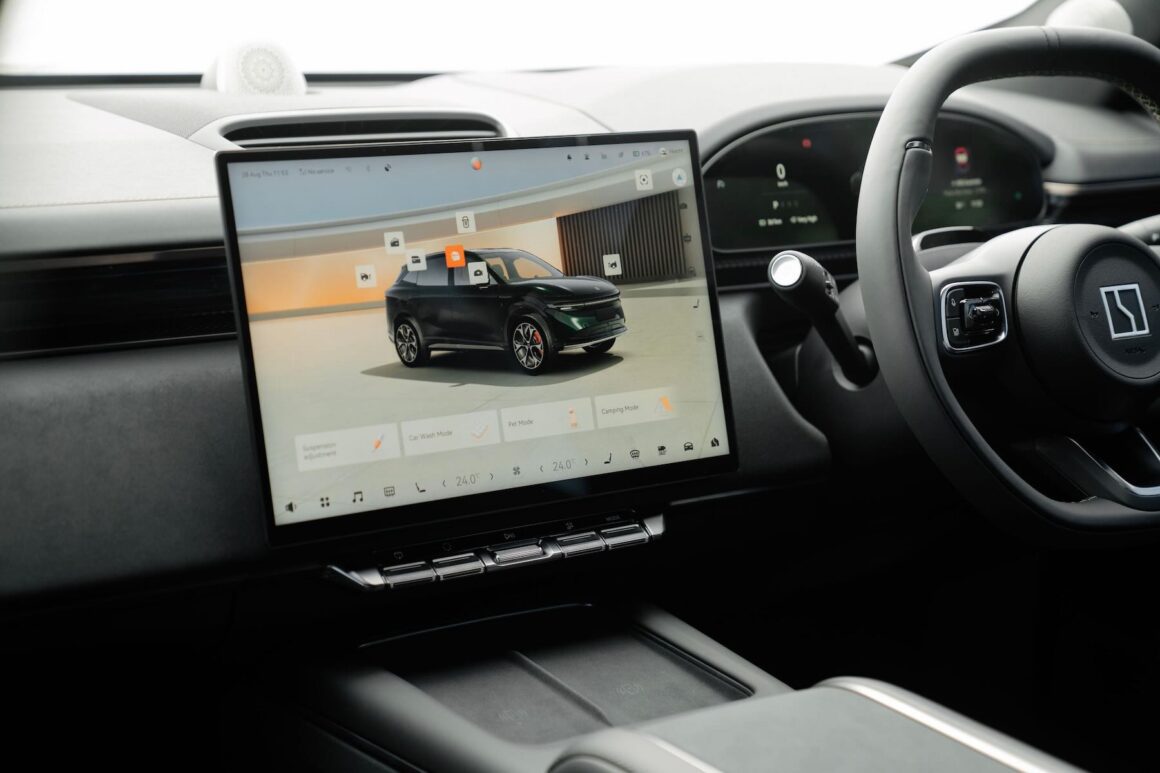
I climb inside fully prepared to make jokes about panel gaps and bargain-basement plastics, and to say things such as “well, it’s very good for a Chinese car” while gently prodding the inside of the door thinking it might feel like recycled yoghurt pots. But instead I’m greeted by soft leather, solid switchgear and an overall sense that someone, somewhere, has been paying very close attention.
And this is where things become deeply uncomfortable for the established order. Because this is a Chinese car, and we’ve all spent decades assuming that meant “cheap and cheerful at best”. The 7X helps to further smash that assumption to pieces.
Everything feels substantial. Doors shut with a satisfying thud. Buttons behave like buttons. Nothing rattles or creaks. My only real gripe was the window switch logic, where pressing up lowers the window and pressing down raises it, a small but oddly counterintuitive detail.
There’s no desperate over-styling, no glowing strips shouting about “futurism”, no gimmicks designed to distract you from cost-cutting. Instead, the cabin is calm, coherent and genuinely luxurious.
Cabin features such as the rear passenger camera is great when you have kids in the back, and pet mode is something I think all new cars should offer.
The Zeekr AI assistant was about as useful as Siri – which is to say not at all, unless you gave it the most basic of prompts such as “hey zeekr open the boot”. The 21-speaker Zeekr Sound Pro audio system is outstanding, delivering depth and clarity that rivals the best in the segment.
As with most modern EVs, much of the Zeekr 7X’s character will be shaped by software over time. The underlying hardware feels strong enough to support that evolution, though some elements, particularly voice control, still feel like work in progress. How Zeekr handles updates and long-term support will matter almost as much as how the car drives today.
For now, the 7X seems like a car that forces an awkward realisation: this is not “good for a Chinese brand”. It’s just good. Full stop. And that, frankly, is rather alarming, because once you remove the last excuse, you’re left having to admit that the old guard might need to try a bit harder.