Charging is one of the big hang-ups holding back the electrification of heavy transport, even though a number of east coast states are now allowing them on the roads.
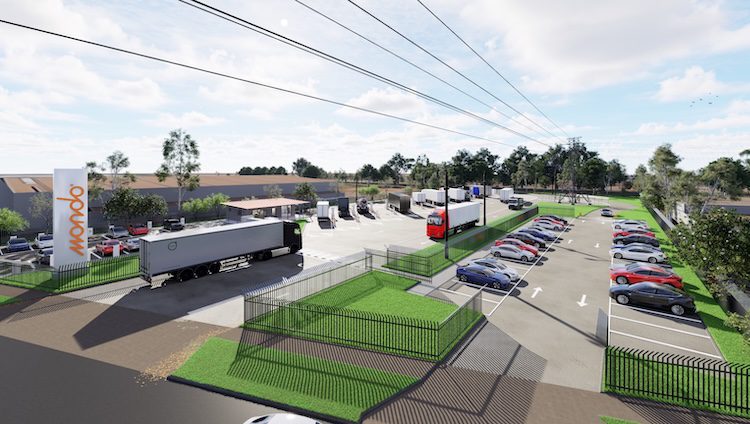
But that particular issue is why Australian Renewable Energy Agency (ARENA) awarded a $12.3 million grant to build a 14-dual plug electric heavy truck charging hub in western Melbourne.
The hub is being built and operated by Mondo Power, distribution company Ausnet’s commercial business, as a demonstration model to companies that want to electrify their fleets.
Funding for the project, located in Laverton North, will partly offset the total cost of ownership for 20 heavy trucks as Mondo will buy and supply the vehicles to trucking companies, as well as offer technical support, trials and long-haul demonstrations.
Mondo will also sell memberships to companies which want to use the charging site, which will include set pricing for charging.
Mondo expects to open the hub next year.
AusNet chief development officer Jon D’Sylva says the project is the first prime mover charging hub in Australia, while ARENA CEO Darren Miller says the project will show companies what is possible with electrifying heavy transport.
“We’ll be able to highlight to the heavy transport sector how electrification can be integrated into their existing business models and drive down the high emissions from transporting goods on our roads,” Miller said in a statement.
“Transport plays a vital role in Australia’s economy and contributes around 22 per cent of emissions. By backing first of kind innovation like this, we can accelerate the sector’s adoption of clean technologies and bring us closer to our net zero goals.”
The grant is part of $100 million that ARENA has set aside in the Driving The Nation fund for heavy vehicle electrification.

At issue for heavy vehicle charging is how and where that can happen.
Sites need to be able to handle megawatt-sized power draws, even if not all of it is used at once, and truck owners and drivers need to know how fast a vehicle can be charged before it can hit the road again.
In July, transport industry figures told a New South Wales (NSW) government inquiry into electric vehicle charging infrastructure that these questions were not resolved.
Furthermore, a series of regulatory changes allowing trials of heavier electric trucks on roads in Queensland, NSW and South Australia meant driving one type of truck in one state might not be legal in another.
Ideas such as guidelines mandating prime mover charge hubs every 100km along main highways and regional battery swapping hubs needed government funding to get underway, they said.
Finland’s Kempower, a charger manufacturer, said earlier this year that long-haul journeys in Australia, which are prime movers’ bread and butter, will require integrated charging infrastructure at both logistics centres at the start and end of journeys and along highways.
Charging reservations will also come into play to allow long-haul electric trucks plan journeys.