Tesla has shown off a new robot that will suck dirt and debris from its upcoming Cybercab robotaxi without needing a human.
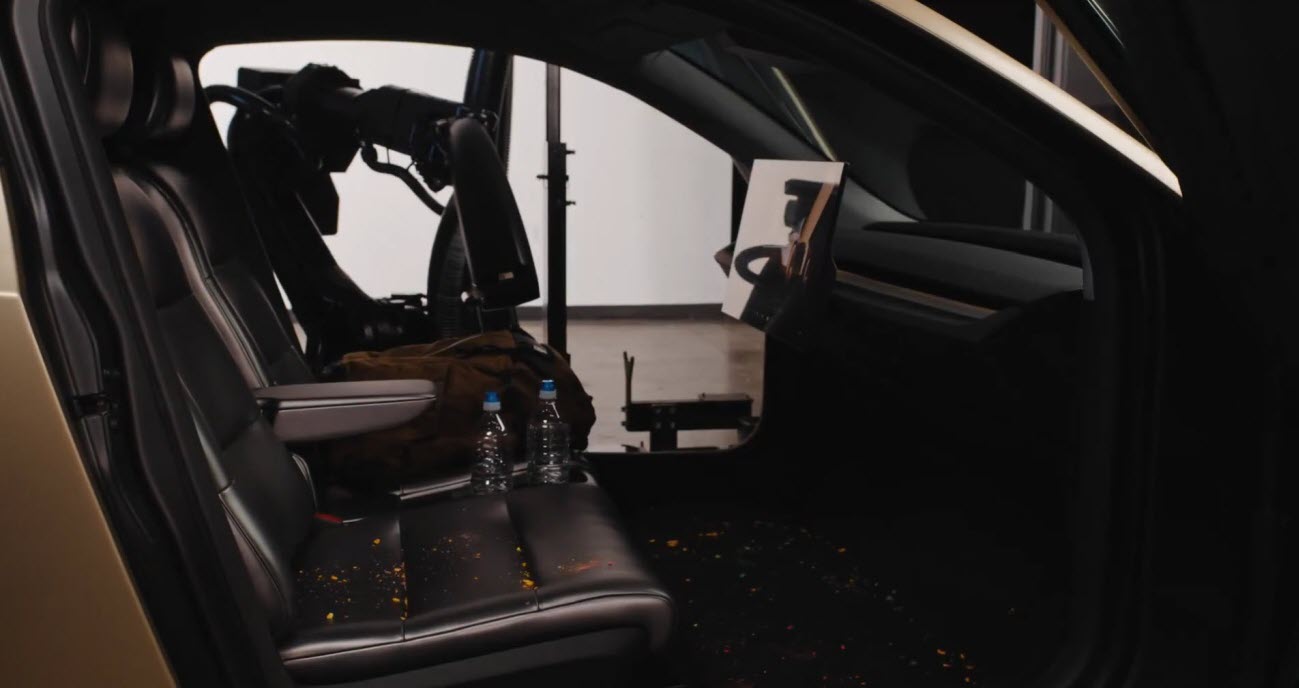
In a video on X, captioned “This robot sucks”, Tesla teases the robotic arm and its multiple functions, which it plans to implement to allow the Cybercab to automatically be cleaned once it’s required while operating as a rideshare robotaxi.
The robotic vacuum arm is shown to clean the inside of the car, where crumbs on the seats and floor are detected and cleaned up.
It also has a part on the vacuum arm designed to lift the centre armrest of the Cybercab to clean under it.
The arm then changes heads to use a microfibre rotating disc to wipe the large 21-inch screen for route navigation, trip information, and passenger entertainment, eliminating the need for manual cleaning during operations.
One interesting part of the video is when the robot sucks entire drink bottles from the car’s two centre cup holders, making it quite interesting to watch.
What is unclear at this stage is when this robot will be deployed to maintain Tesla’s upcoming Cybercab fleet or the placement around cities where these vehicles will operate.
This new robot’s introduction follows Tesla’s announcement on the Q3 earnings call last week of launching a paid robotaxi service in Austin, Texas, by June 2025.
The company’s CEO, Elon Musk, also hinted that Tesla has expansion plans to aim for California and other cities before the end of the year.
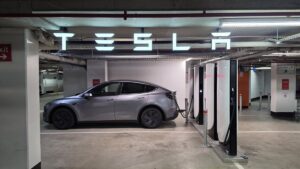
The Tesla Cybercab will not only be able to operate as a robotaxi and be cleaned by a robotic vacuum system, as shown in the latest video, but it will also charge wirelessly.
In a video in October 2024, Tesla showcased the Cybercab’s wireless charging feature for autonomous charging in between delivering passenger rides.
From that video, a Cybercab was spotted charging wirelessly at speeds of up to 25 kW with an overall battery capacity of around 40 kWh.

Later in December, a Tesla engineer revealed how Tesla plans to save on parts with the circa $A45,000 self-driving robotaxi.
The interview highlighted that the Cybercab is expected to have 50% fewer parts than Tesla’s Model 3 electric sedan, reducing the cost to produce the vehicle significantly.
With robots like the vacuum arm, Tesla aims to reduce the cost of operating its Cybercabs and set the path for new technologies in the ridesharing sector, improving the overall experience for passengers while costing less across the entire ecosystem.