BYD is one of the fastest-growing car brands in the world, and after selling over 3 million cars in 2023 the company continues to add production capacity in existing manufacturing plants while adding new ones internationally.
Now the company has announced that it’s opened a plant much closer to Australia that is geared to build vehicles for right-hand-drive markets.
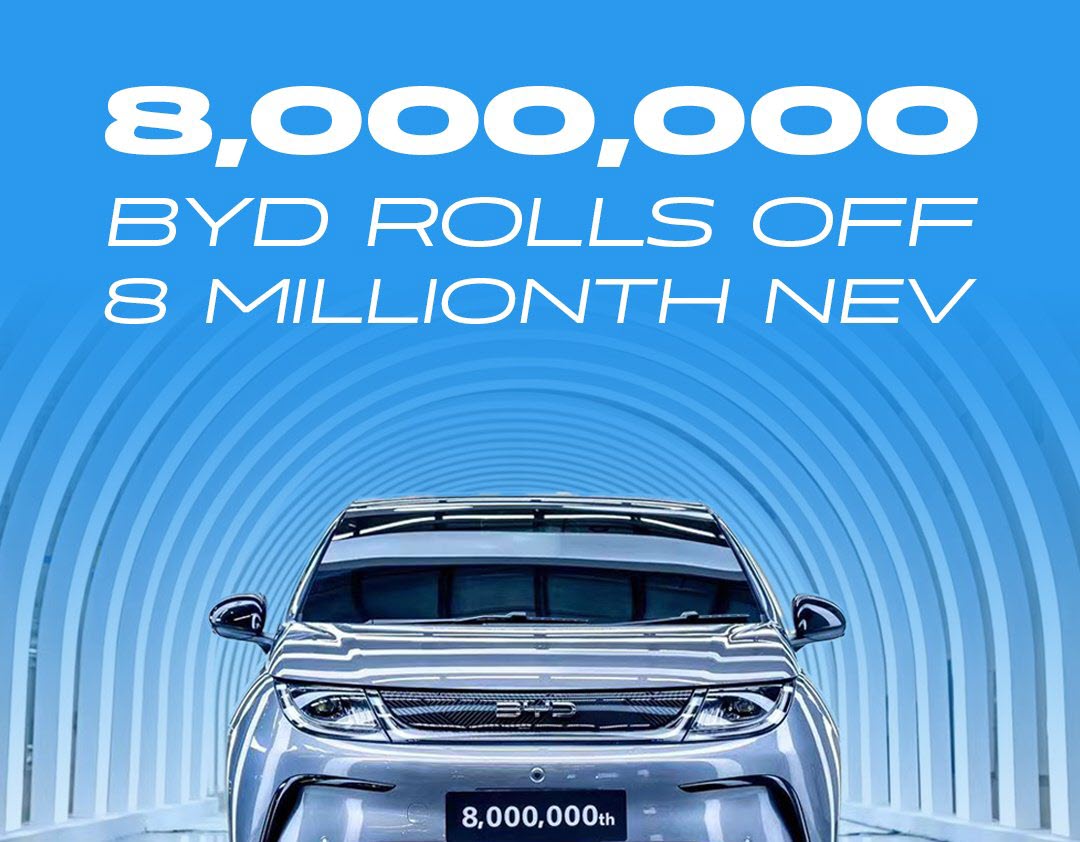
On BYD Global’s X account, the brand shared the news of opening a new plant in Thailand while producing its 8-millionth new energy vehicle (NEV).
This plant has a capacity to build 150,000 cars every year as the brand expands in markets in Southeast Asia as well as Asia Pacific.
The Thailand plant opening ceremony included a speech from the company’s founder and CEO, Wang Chuanfu.
At the ceremony, BYD also showcased three of its popular EVs, all of which are available in both Thailand and Australia. These included the BYD Atto 3 SUV, the Dolphin hatchback and the Seal sedan.
BYD’s NEVs include a combination of pure battery electric vehicles and plug-in hybrids that also use BYD’s blade battery technology.
This plant in Thailand began construction in 2022 when WHA Group, an industrial facility developer in Thailand, announced that they would be building an EV manufacturing plant.
Just under 2 years after that announcement, the plant has opened and now is manufacturing cars. According to the company, BYD plans to eventually employ over 10,000 people in the region as part of this project.
Here in Australia, the company has seen major growth since deliveries of its first model the Atto 3 began in August 2022.
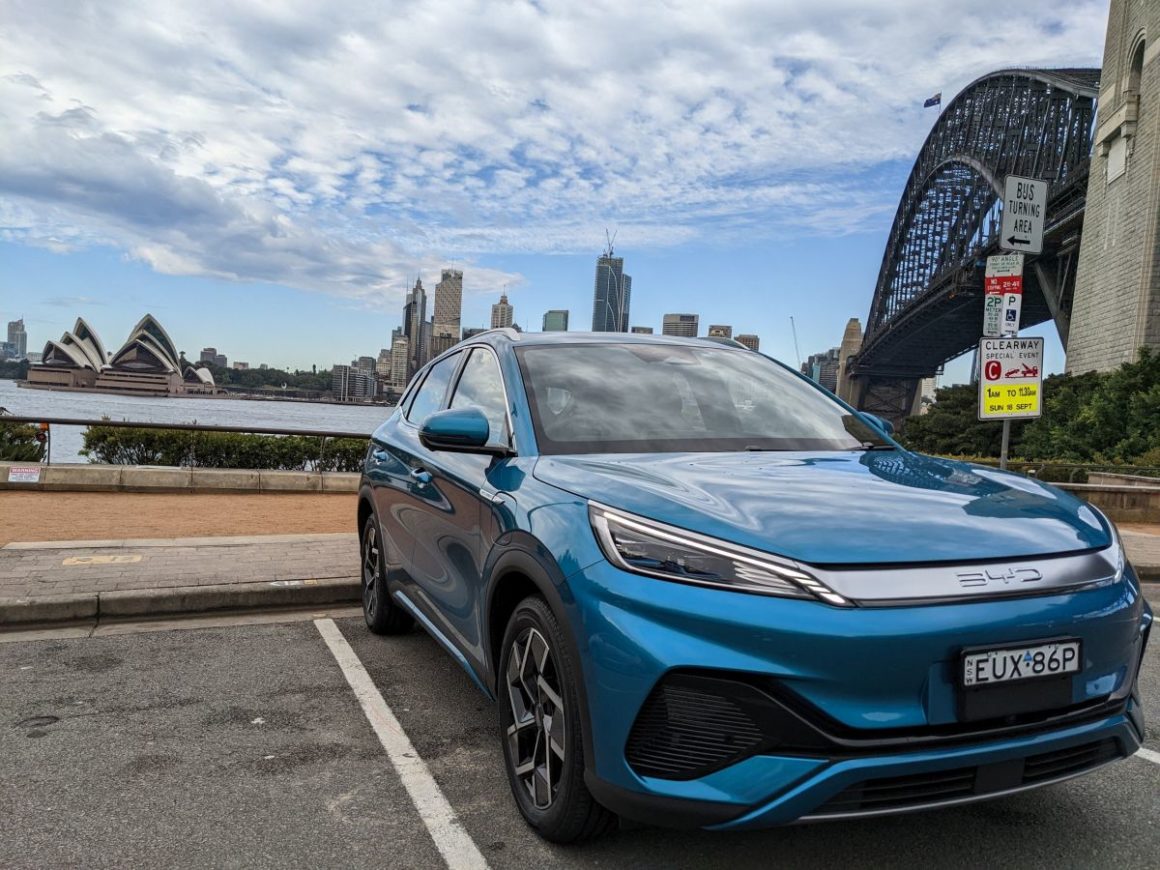
Since then, over 25,000 of the brand’s electric vehicles have made it onto Australian roads. Most of these sales have been on the back of the original Atto 3.
Having said that, in 2024 the Seal electric sedan regularly outsells the Atto 3. The last three months have seen Atto 3 sales fall under those of the Seal and in the first 6 months of the year, the Seal has over 10% more sales than the Atto 3.
With demand for quality EVs on the rise in Australia, having a potential new supply plant in the future like the newly opened facility in Thailand could bring EV prices further down.