South Korean car maker Kia is increasing its EV targets to include 11 new electric models by 2025, as part of its $A35 billion plan to achieve 25% electric sales by 2029.
The plan, which is far more ambitious than that of parent company Hyundai, would see the car maker focus on battery electric vehicles as well as “PBVs” (purpose-built-vehicles), which new Kia boss Hosung Song says is the direction in which he sees the automotive industry heading.
Song told Automotive News in an interview that instead of the seven electric models outlined by Kia in its “Plan S” and as reported by The Driven in September, Kia will now look to release 11 models.
By 2026 Song wants Kia to aim for 500,000 battery electric sales, as well as another 500,000 hybrids and plug-in hybrid sales.
Purpose-built vehicles would include those specially designed for use in urban environments such as for rideshare, last-mile and autonomous taxi services.
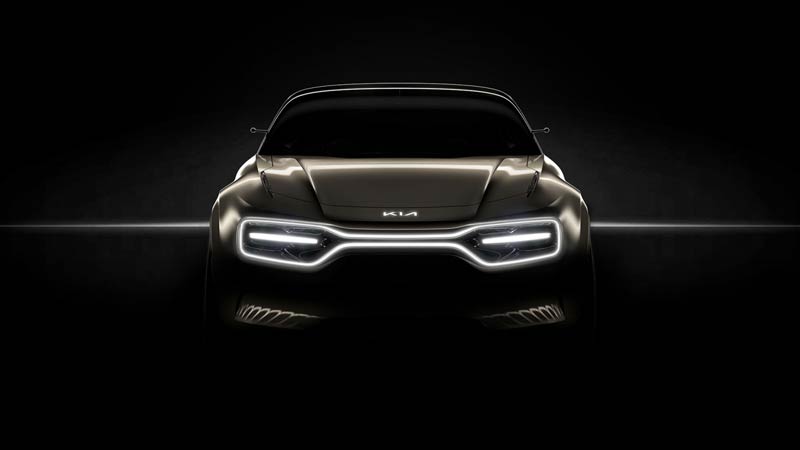
The new plan coincides with the release of the car maker’s new logo, which does away with the old oval logo, and draws instead on a stylised, futuristic design first seen on the Kia Imagine concept that will guide the car maker’s halo electric model, codenamed Kia CV.

“We have to prepare ourselves with advanced countermeasures for all these,” Song told Automotive News. “We will try to set up our new customer target together with our brand relaunch.”
Kia’s electric strategy has so far proved successful. In September, it reported a growth of 3.6% year-on-year for Europe thanks mainly to the 8% electric sales.
According to a release from the company, electrified options already account for 25% of European sales, and this is likely set to continue an upward trend as vehicle emissions regulations clamp down further.
Sales of Kia’s two all-electric models, the e-Soul and e-Niro, both doubled year-on-year in Europe to reach 8% of all sales, subsequently resulting in the car maker delaying an Australian launch due to a lack of local emissions regulations.