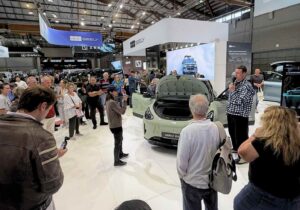
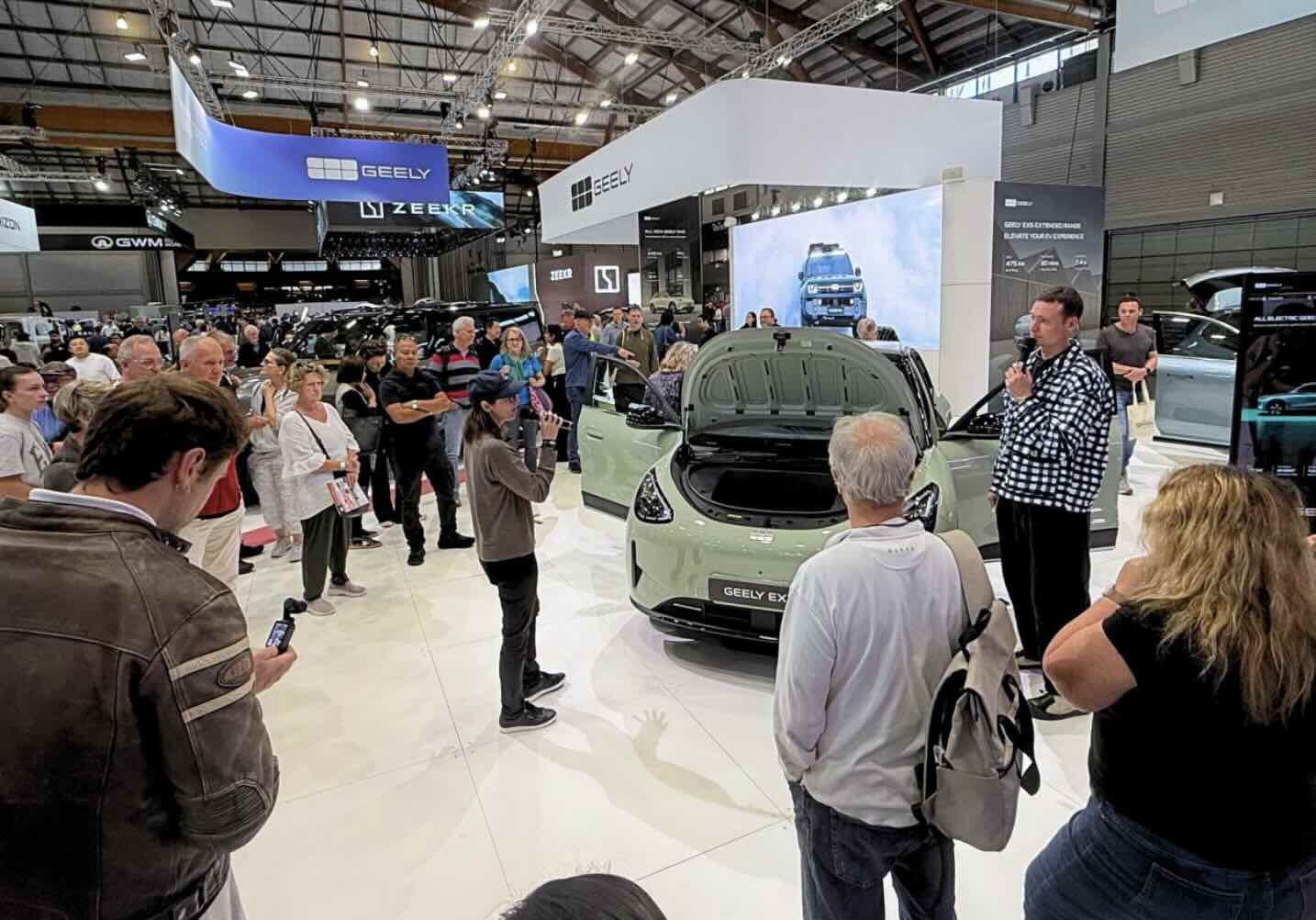
The Everything Electric show, which bills itself as the biggest EV and home electrification expo in the country, says record crowds of more than 37,000 people passed through its doors in Sydney over the weekend – yet another clear sign that the conversation about the transition to electric has clearly shifted.
Full battery electric vehicles now account for one in four new car sales in Australia, and more than one in three if you count plug-in hybrids.
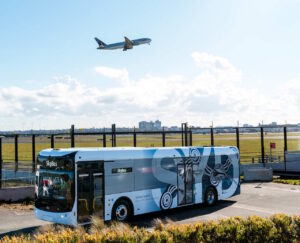
Industry experts talk of a structural shift in the market, even if they are reluctant to admit it – and even if, in states like Queensland, the conservative government is so blinded by its hatred of things new and its fossil industry funding it has even cancelled the government’s electric fleet mandate, and put in an order for 630 diesel buses after tearing up its commitment to go electric.
“We genuinely believe Australia has broken through a barrier when it comes to the battery electric economy,” Dan Caesar, the outgoing CEO of Everything Electric, said on Monday after the conclusion of the event.
It was the fourth time that Everything Electric had hosted the event in Sydney, and this year’s numbers were up 20 per cent on the previous year. Caesar says the car companies at the show hosted more than 5,000 test drives, and reported said the EV exhibitors reported “significant sales” on-site.
And the names of the exhibitors – who was there and who wasn’t – tells us something about the state and fluctuations of the industry in Australia, and what the future may hold.
Most visibly, there were only three non-Chinese EV makers on display – Hyundai (along with its sister brand Genesis), Subaru, and Cadillac, which is now focusing on electric only vehicles in markets such as Australia.
There were some familiar names – MG (now Chinese owned), and Polestar (the Swedish offshoot of Volvo now also owned by China’s Geely). And there were the new big muscle players from China itself – BYD, Zeekr, Chery Omoda, Geely and GAC, some with massive and expensive displays, and some smaller ones from the likes of Leapmotor and Farizon.


Camping seemed to be a big thing. No one wants their weekend to be ruined by the transition to electric, so MG had a rooftop tent unfolded on its newly released MG09 electric ute, with a range of 400 kms, and so too did Subaru with its new Trailseeker SUV (basically an electric Outback).
Big was also a theme. There seems to be a fascination among Chinese EV makers to aim for armchair type seats and big screens for the rear passengers. Curiously, extended range PHEVs were also prominent, including several monsters such as the Geely Battleship, with one visitor gushing after being told it had 1,500 km of range. He must have a much bigger bladder than me.
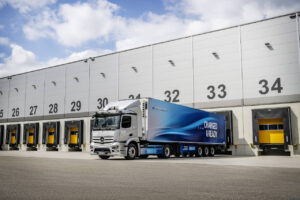
There were also electric scooters, including Australia’s Fonz, along charging point providers, battery health testers, big electric truck companies such as Volvo and Janus Electric, and a lot of advice being offered – including by network company Ausgrid and the Australian Electric Vehicle Association. Everyone had questions, including for Renew Economy and The Driven, which is the point of the exercise.
“What struck me was the maturity and inquisitiveness of the attendees. Not a single negative comment or questioning the point of EVs,” noted Nathan Gore-Brown, from Test EV, which conducts tests on EV battery health, critical for those thinking of a second-hand purchase and useful for those seeing their EVs come to the end of their battery warranties.
“The sheer volume of new models from new and emerging brands is overwhelming even for a long time in industry person like myself,” Gore-Brown noted.
“Discussions with industry long-timers often resulted in deep concern for established brands with Hyundai Motor Company being the only one representing at the event. What will the automotive landscape look like in 2030? I’m pretty sure there’ll be several brands that we’ve known for 50 years that will not be.
So who wasn’t there?
Toyota, the biggest car seller in Australia and which is trailing the field on EVs and resisting government policy measures such as energy efficiency standards, was not there. Neither was Ford, nor VW and a host of other European brands. Tesla also was absent.
And neither were the big energy retailers such as Origin, AGL, EnergyAustralia, or Snowy Hydro, which is an interesting call given that home electrification, the huge success of home batteries, the surging uptake of EVs, and the emergence of technologies like vehicle to grid will likely shape and even challenge their business models in ways they would rather not imagine.
Which left the field for the likes of Amber, leading Australia’s biggest V2G trial, with the help of BYD, and renewable energy retailer Flow Power, also testing innovative pricing models to talk to the consumers. And that made the presence of Ausgrid intriguing too – a big display right at the entrance, and hosting one-to-one advice as well as presentations on one of the two main stages.
Ausgrid, of course, is the biggest distributor of electricity in Australia’s main grid, connecting more than 1.8 million homes and four million people. Unlike retailers, Ausgrid and other network operators doesn’t get to pick and choose which customers they want to serve, they must serve them all.
But, for a company that is obliged to get special “ring fencing” waivers to tread in the retailer’s protected market, and to engage with consumers, they were mighty keen on meeting customers and giving them their own vision of what the future might look like.
NSW energy minister Penny Sharpe, who also spoke at the event, said recently that innovation will occur in ways we can’t yet imagine given the growth of rooftop solar, home batteries, EVs, all of which is switching the power from centralised generators (usually married to the big retailers), and into the hands and homes of the consumer.
It’s going to be fascinating to see how long the legacy industries, in both transport and energy, can hide behind their regulatory capture and the rules that protect their role industry, when so many more customers are becoming aware of their options, and the technologies available to them multiple.