Japanese car maker Suzuki, which has been selling cars in Australia since the 1970s, has unveiled a second fully electric vehicle, a city hatchback with a small range but with big ambitions.
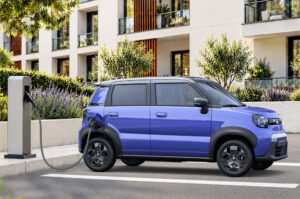
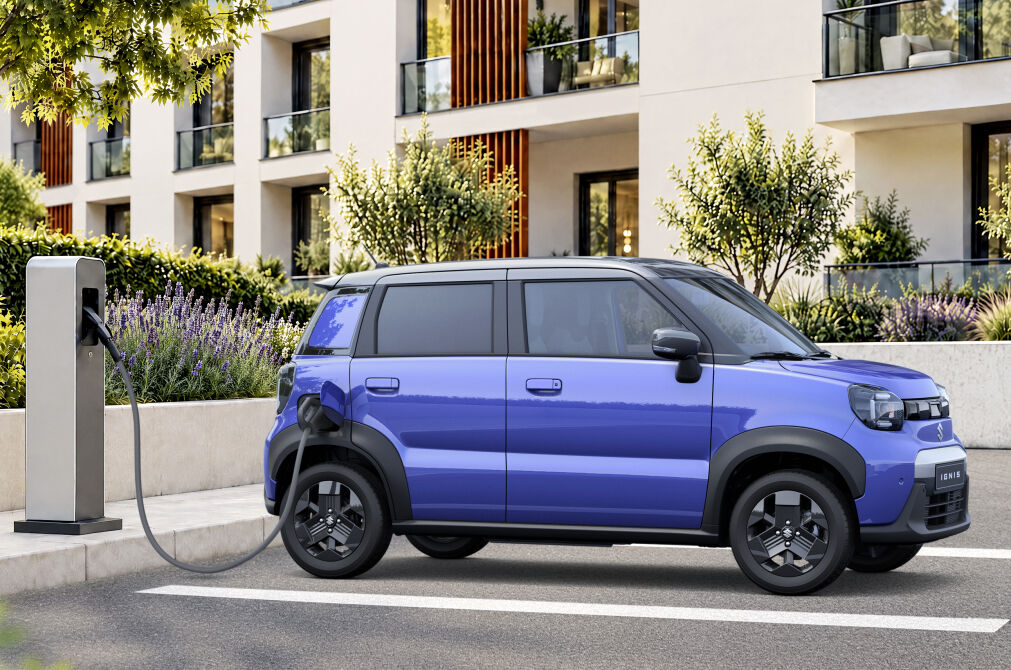
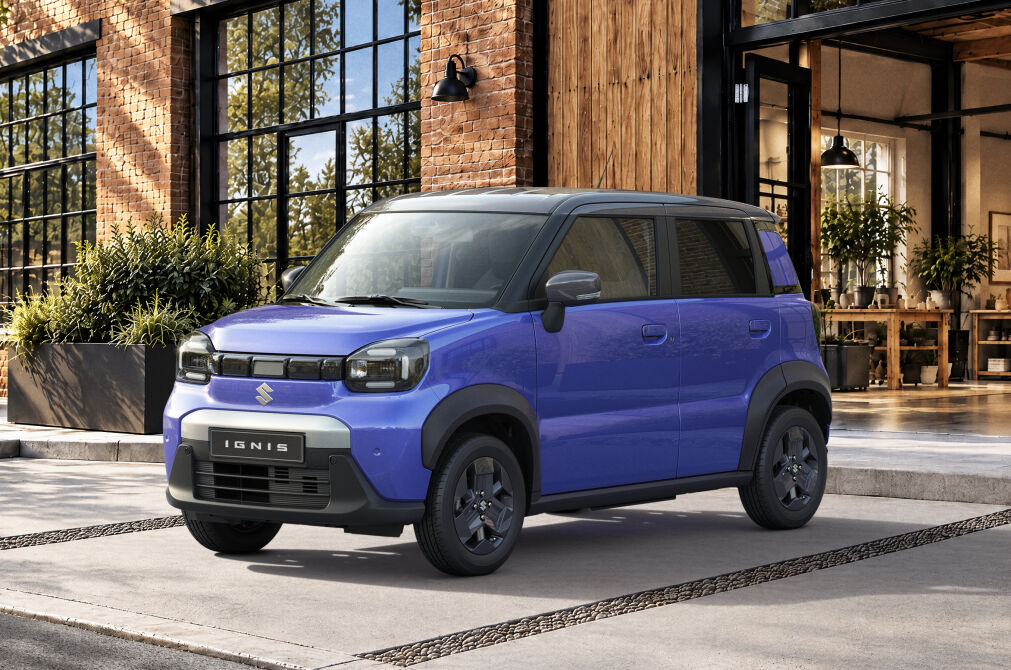
Suzuki is best known for its Swift and Vitara models, and earlier this year unveiled its first EV, which it called the e-Vitara. Now, the brand has unveiled another new model, the Ignis electric hatchback, which could be destined for our market in 2027.
The Ignis EV is developed under a concept the brand calls “Easy to Switch – the best city car for your neighbourhood”, and it comes with a boxier outside design, a floating roof and some practical features, which are yet to be revealed.
It will accommodate 4 seats and will likely be a front-wheel-drive powertrain, and its turning radius of 4.5 metres is designed for the city making it easier to park in tighter car parks and on narrow streets.
Although full specs have not yet been released locally, on Suzuki’s global website, some early details have been shared. The new model will be powered by a small 26 kWh battery pack, with range yet to be revealed.
Given it’s coming in at under 3.6 metres in length, and a motor with up to 67 kW of power, we can expect that to be around 200 km on the WLTP cycle, which is closer to the recently released Honda Super-One.
Michael Pachota, General Manager of Suzuki Australia, said: “The Ignis has enjoyed a strong following in Australia, and it’s exciting to see the nameplate evolve into an all-electric vehicle.
“Suzuki has a long-standing heritage in compact mobility, and we see an exciting opportunity to continue building on that legacy as the industry transitions towards electrification.
“We believe affordable, practical and accessible electric vehicles will play an important role in the future of mobility, and the all-new Ignis represents another step in our commitment to remaining at the forefront of this segment.”
The brand has not yet confirmed the model for the Australian market, but it’s expected to be under strong consideration given the demand for EVs in our market.