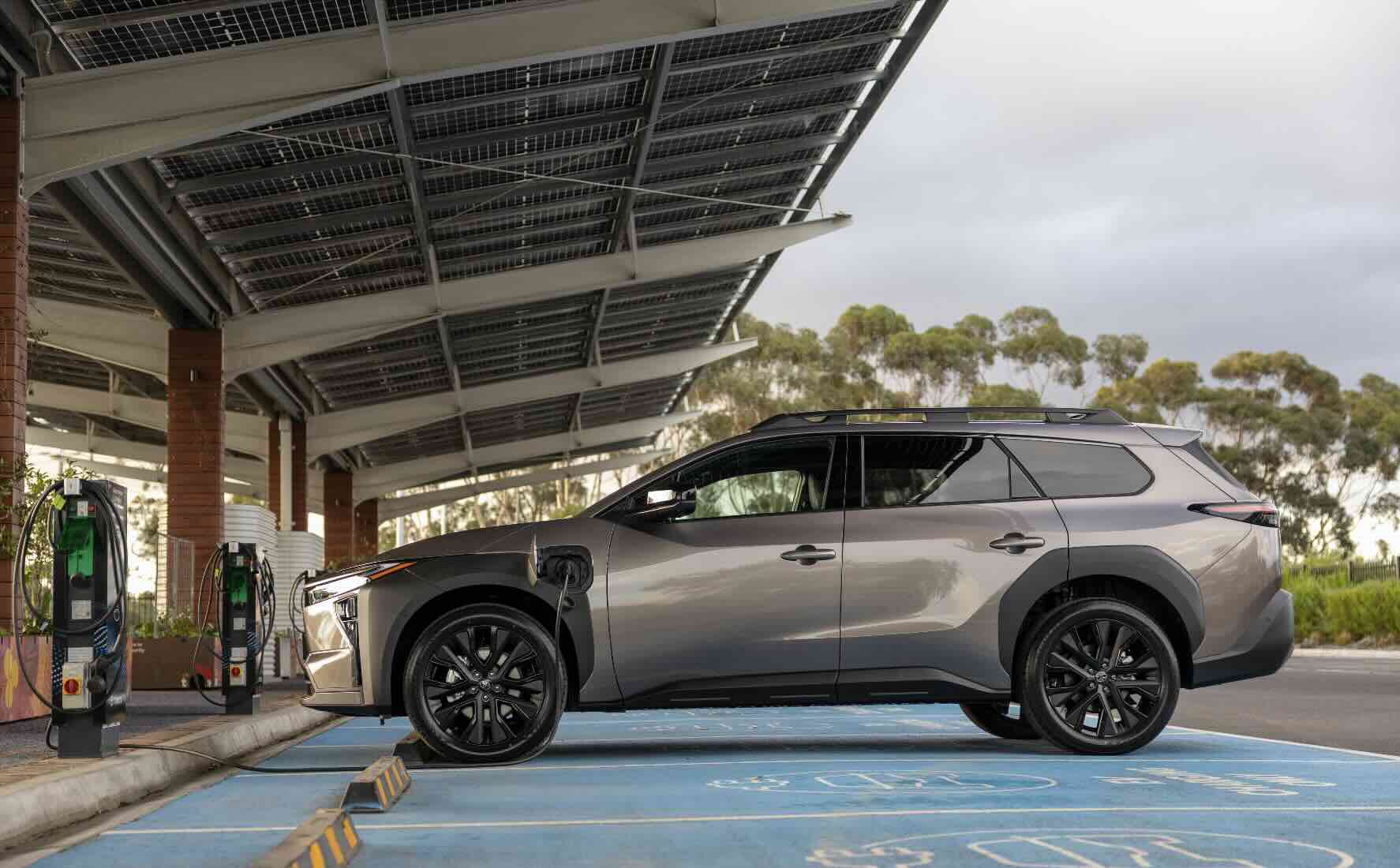
Australia’s electric vehicle charging network is struggling to keep up with motorists’ changing preferences, a report has found, with an average of 24 battery-powered cars for every public charger.
Some states are better prepared than others, with NSW and the ACT ranked highest for EV readiness, while Tasmania and Western Australia are at the back of the pack.
Here Technologies and SBD Automotive released findings from their electric vehicle index on Thursday, which investigated the Australian market for the first time and highlighted the need for greater investment in infrastructure.
The announcement comes after record-breaking new electric car sales in August, which saw the low-emission vehicles outsell petrol, diesel and hybrid models for the first time.
The HERE-SBD EV Index ranked electric vehicle adoption and charging infrastructure in the US, UK, India, Europe and Australia, and combined the data with a survey of more than 4000 motorists.
The study found Australia reached an electric vehicle-to-charger ratio of 24:1 in 2025, something the report called “considerably higher than typically expected” for a maturing market.
Electric car adoption had accelerated consistently in Australia despite the removal of financial incentives, SBD Automotive senior consulting manager Robert Fisher said, and this had put the charging network under pressure.
“Australia presents one of the most interesting EV growth stories in this year’s index,” he said.
“The challenge going forward will be maintaining the right balance between expanding EV ownership and ensuring drivers have convenient access to charging when and where they need it.”
The index also ranked EV readiness according to how far drivers had to travel to find a charger, how quickly they could charge their vehicle, the likelihood of finding a vacant charger, and the share of EVs on the road.
NSW was the most well-prepared state with high scores across each category, followed by the ACT and Victoria.
Western Australia came in last, with poor marks for the power of its chargers and distance between them. Tasmania was second last, with a lower EV adoption rate.
The index also found Australia’s charging network remained concentrated around cities, HERE Technologies Asia Pacific general manager Deon Newman said, noting this would need to change to support wider EV adoption.
“Sixty per cent of all the chargers in Australia are in Victoria and NSW,” he told AAP.
“Obviously there’s population density there but as you start to think about a broader adoption across Australia… we’ll need to expand support.”
Record-breaking electric vehicle sales over the past six months were not captured in the index, Mr Newman said, and could underline the need for more infrastructure investment.
AAP