
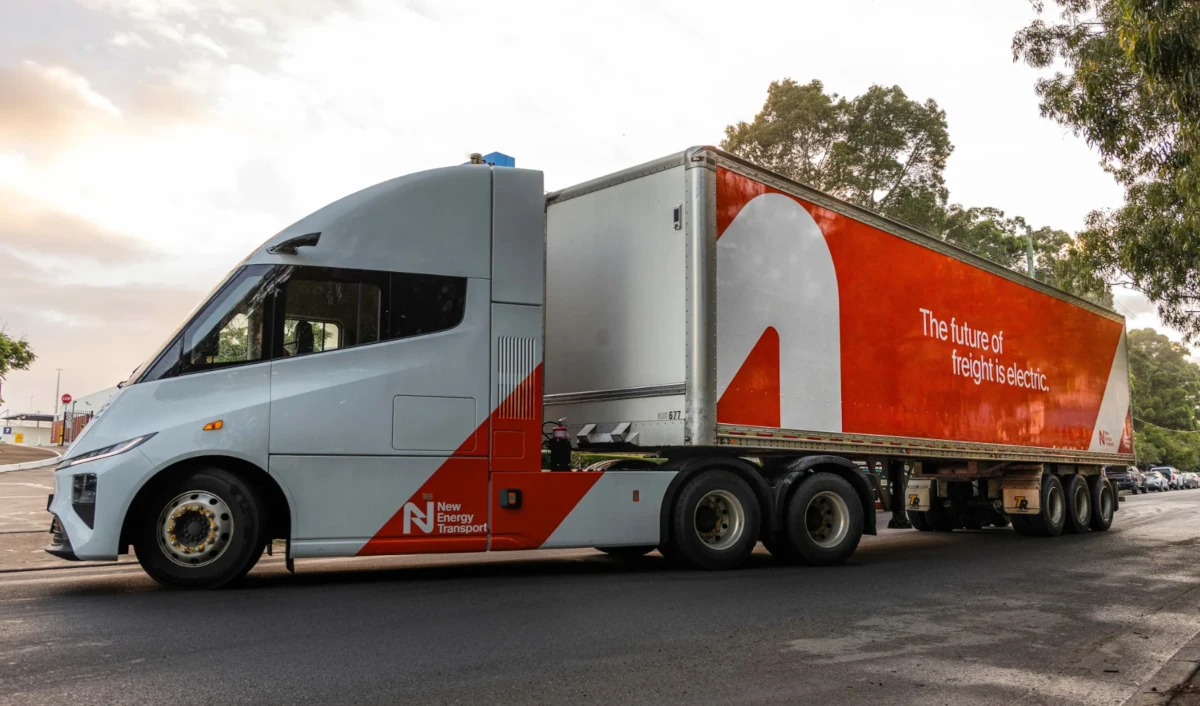
The federal government has committed to invest $400 million as part of a new heavy vehicle reform package designed to improve productivity, reduce red tap, and increase the uptake of zero-emission vehicles.
Federal treasurer Jim Chalmers announced the new package over the weekend following a meeting with state and territory treasurers at which several significant reforms were agreed, including to heavy vehicle productivity.
The new $400 million heavy vehicle productivity reform also follows the publication on Friday of a Productivity Commission report, which found productivity growth in the road freight sector had “stalled for over a decade” and that new advances “in technology and vehicle design provide opportunities to re-start productivity growth and improve emissions outcomes.”
The Productivity Commission found that reforms that increase access to Australia’s road network for high productivity vehicles and zero emissions trucks will boost GDP by up to $4 billion each year
“The recent fuel supply disruption has only strengthened the case for reform to unlock higher productivity and lower emissions vehicles,” the Commission concluded, pointing to high productivity vehicles, heavy zero emission vehicles (HZEVs), and automated permits as key to improving nationwide productivity.
The funding agreement is designed to remove regulatory barriers to improve the availability of charging infrastructure, as well as remove or reduce curfews for zero-emission trucks and modify weight limits which was also emerging as a major issue.
Electric trucks currently account for less than 1 per cent of Australia’s heavy vehicle sales, although there have been signs that the industry is ready for rapid growth, with a number of new players in the market, and logistics companies also eyeing a switch to electric deliveries.
“Red tape has been one of the biggest handbrakes on electric trucks in Australia,” said Cameron Rimington, heavy vehicle lead for the Electric Vehicle Council.
“Today’s commitment to increase road access for heavy EVs, improve charging infrastructure, and lift noise restrictions is exactly the kind of practical reform operators have been asking for.”
The commission called on state, territory, and local governments to exempt electric truckss from time-related restrictions on activities.
“There is a strong case for reducing the burden of curfews on HVEVs in some form,” the Commission wrote. “While regulation should continue to aim to mitigate the impacts of heavy vehicle noise and protect community safety, HZEVs are significantly quieter.”
Trucking industry bodies also welcomed the changes, with the Heavy Vehicle Industry Australia (HIVA) describing freight productivity as “not just a transport issue … it is a cost-of-living and economic competitiveness issue.”
“Better arrangements will also support the rollout of zero-emission heavy vehicles by making sure new technology can be used where it makes sense,” HIVA said.
The EVC said electric trucks deliver productivity and fuel security for the nation.
“Every electric truck on the road is one less truck relying on imported diesel. Today’s decision shows governments at every level are listening to industry, with real money behind the reform,” said Julie Delvecchio, EVC CEO.
Australian Renewable Energy Agency (ARENA) transport general manager Alex Grant said Australia has an opportunity to build a freight system that is both more efficient and more sustainable.
“That means removing barriers that make it harder for businesses to invest in new technologies and ways of operating,” he said.”By addressing these barriers, we can help accelerate investment, improve productivity and support the transition to low-emissions freight.”