
BYD had an almost immediate impact on the market in 2004 when they announced release of the Shark 6 ute, a plug-in hybrid electric vehicle (PHEV) with a starting price of $57,990 before on-road costs.
It has become a best seller, with more than 24,000 sales to date, and now BYD has expanded the Shark 6 lineup in Australia by introducing a fleet-friendly cab-chassis version and a Performance variant capable of towing 3.5 tonnes.
So what’s significant about these versions, and will this expanded lineup get more Diesel ute drivers to get behind the wheel of this electrified ute?
Let’s find out.
We got behind the wheel of both vehicles at an event held by BYD in Melbourne and the Bellarine Peninsula in Victoria, which included on-road and off-road driving, towing an excavator and an almost 3-tonne caravan.
On-road Testing: Melbourne to Torquay
We started the drive near Melbourne airport behind the wheel of a Shark 6 Performance, which now has a completely upgraded interior.
Gone is the gear shifter in the centre, which, like many recent BYDs, has moved to behind the steering wheel, freeing up space and giving it a clean look.
The large screen remains in the Performance, which was very impressive in the Premium variant we drove over 20 months ago.
This makes it quite intuitive to use for navigation or apps, and also when taking the ute off-road, with the camera angles making it easier to drive through terrain, which can be seen on this large screen.
There is now the inclusion of Google Maps directly, as part of Google Automotive Services, through the infotainment screen, which is an added bonus and an improvement over previous mapping software.
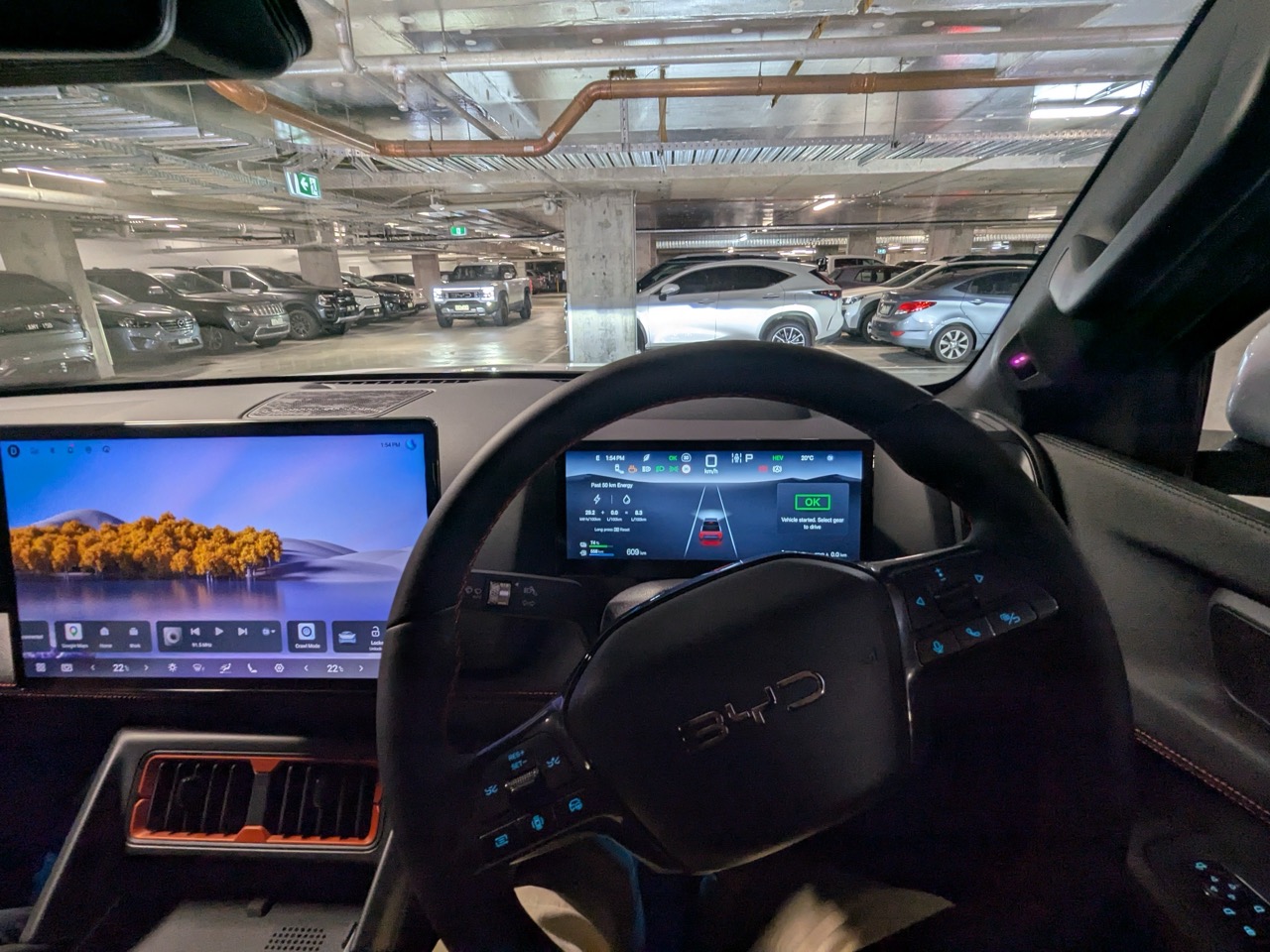
This brings it a lot closer to Tesla’s navigation system and doesn’t require connecting the car to Android Auto or Apple CarPlay, reducing the hassle.
On the road, the new Shark 6 Performance felt fairly comfortable and reminded me a lot of the first time I drove the Premium model on a logging track in Marysville, which was a huge improvement over the Ford Ranger I had as a work car in my past life.
The suspension absorbed most bumps on the narrower roads we took towards Torquay, with this particular car having no load in the tray.
Then we swapped over into the Dynamic cab-chassis, which had 400 kg of payload in the tray.
Inside, the cabin layout was much closer to the Premium, with the gear shifter in the centre console.
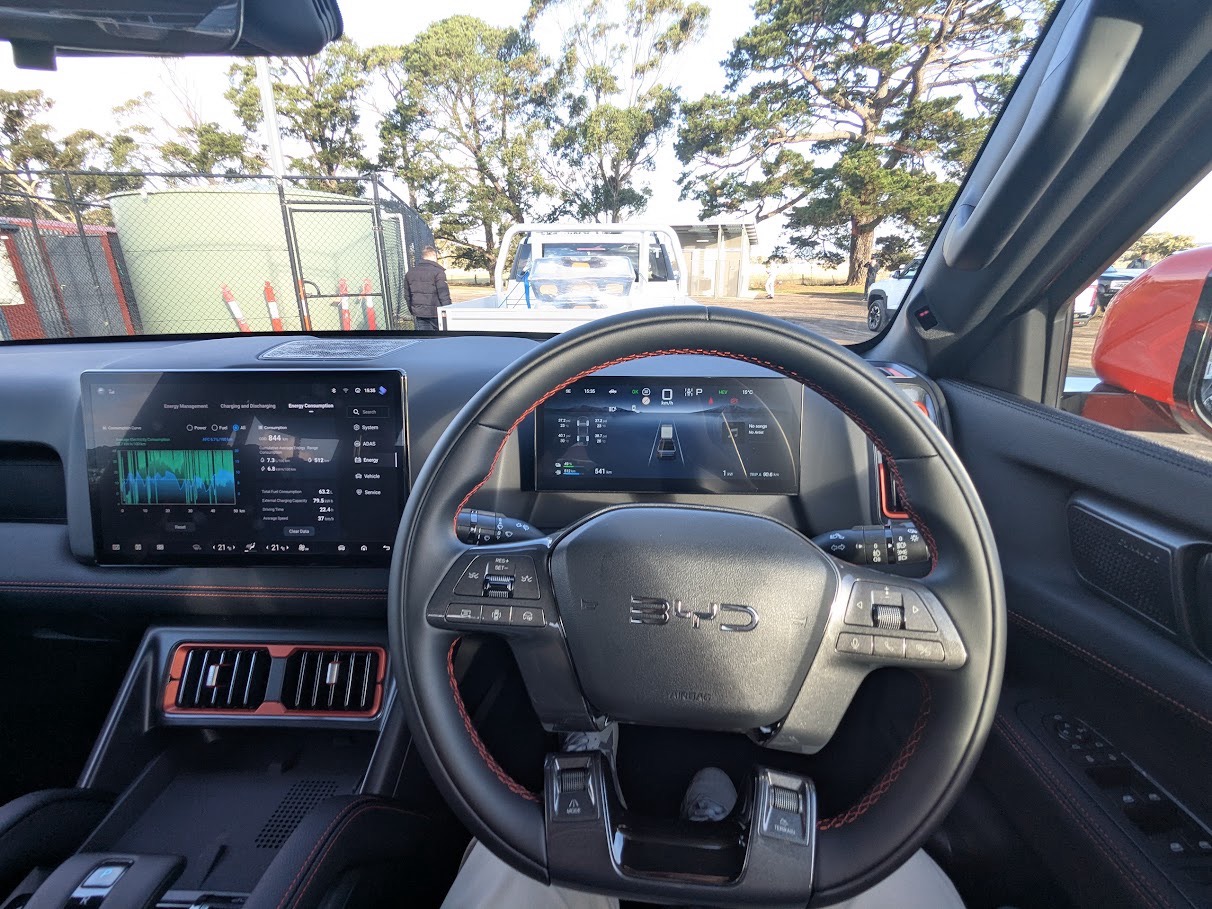
There is also a smaller screen, which is not a bad thing, given this variant is likely to be used by fleets who are coming from traditional utes with small infotainment/centre screens.
This made the rear feel more planted on the highway runs we did on the way down to Torquay, without really compromising the comfort levels in the cabin.
From this drive, it was easy to see how the fleets could get behind this cab-chassis, as it is offering so much comfort for daily driving, thanks to the EV-only driving mode, as well as the applications it can have with the steel tray in the back.
Oh, one more thing, the tray is engineered and developed in partnership with aftermarket specialist Ironman, who were also involved with the development of key accessories when the Shark 6 was officially launched back in 2024.
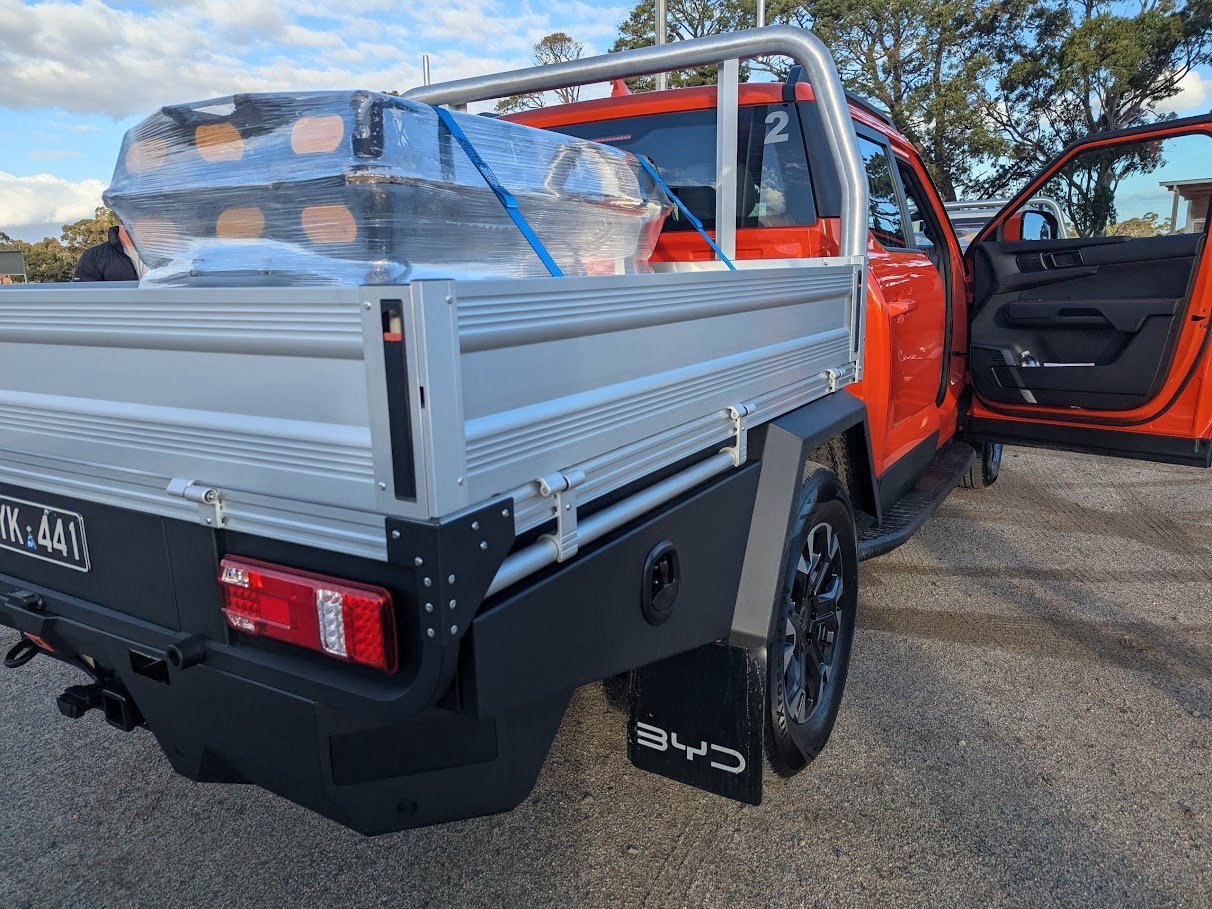
This would make it easy for fleets to just order the ute and the tray, where all sensors and fittings will be to OEM specifications, adding to the peace of mind for fleet and logistics operators.
Towing Tests – Easily tows loads over 3 tonnes
Testing at the Australian Automotive Research Centre (AARC) in Wensleydale highlighted exactly what the new variants of the Shark 6 can do.
For the Performance variant, it now has a more powerful drivetrain, which comes with a new 2.0-litre turbo DM super hybrid, bringing the total system power and torque to 350 kW and 700 Nm, respectively.
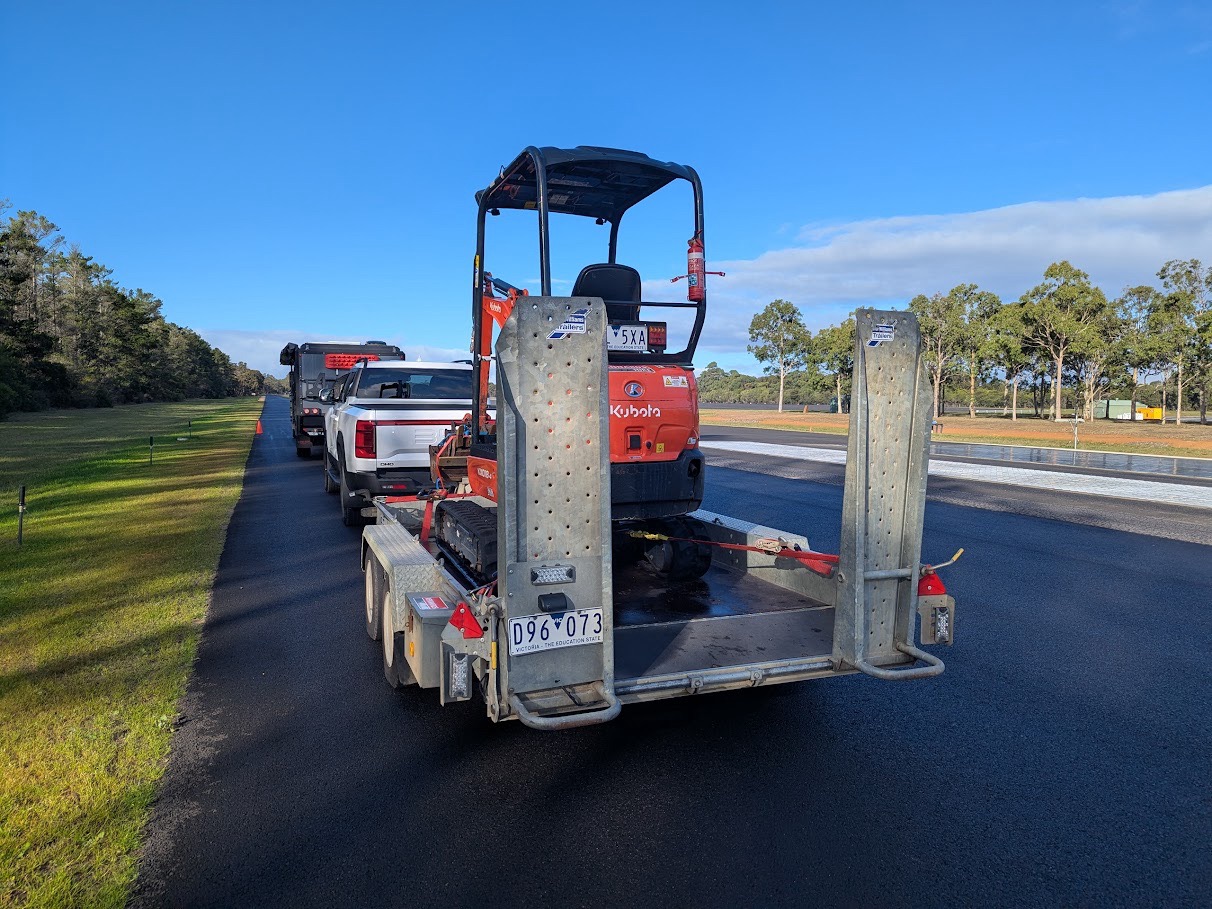
That helps deliver plenty of power, particularly in the towing test, where we tried with a large over 3-tonne caravan followed by an excavator on a trailer around a paved track. Reaching speeds of up to 100 km/h just to see how effortless it was for the Performance variant.
Braking with these loads was also quite stable, as in one of the tests, we braked until coming to a complete stop, followed by accelerating up to 100 km/h. You could feel the electric motors bringing the load back up to speed.
Lane changes at 80 km/h with the load were also managed relatively well and with confidence to drivers like me who don’t tow too often.
Even a loaded cab-chassis did the test runs easily, with the tray load helping with greater stability on the faster sections.
Off-Road Testing – Now packs Crawl Mode
Taking the Shark 6 off-road on dirt tracks at Wensleydale provided a good testing ground to test out the Performance model’s new dedicated Crawl Mode. This system continuously adjusts torque to individual wheels to reduce or completely eliminate wheelspin.
It lacks traditional low-range gearing and mechanical locking diffs, but with the advanced electronic limited-slip diff and intelligent all-wheel-drive system manage traction well.
It walked up steep, loose-gravel inclines with pretty good stability, and the independent double-wishbone suspension at the front and rear absorbed deeper ruts and heavier bumps along the off-road tracks.
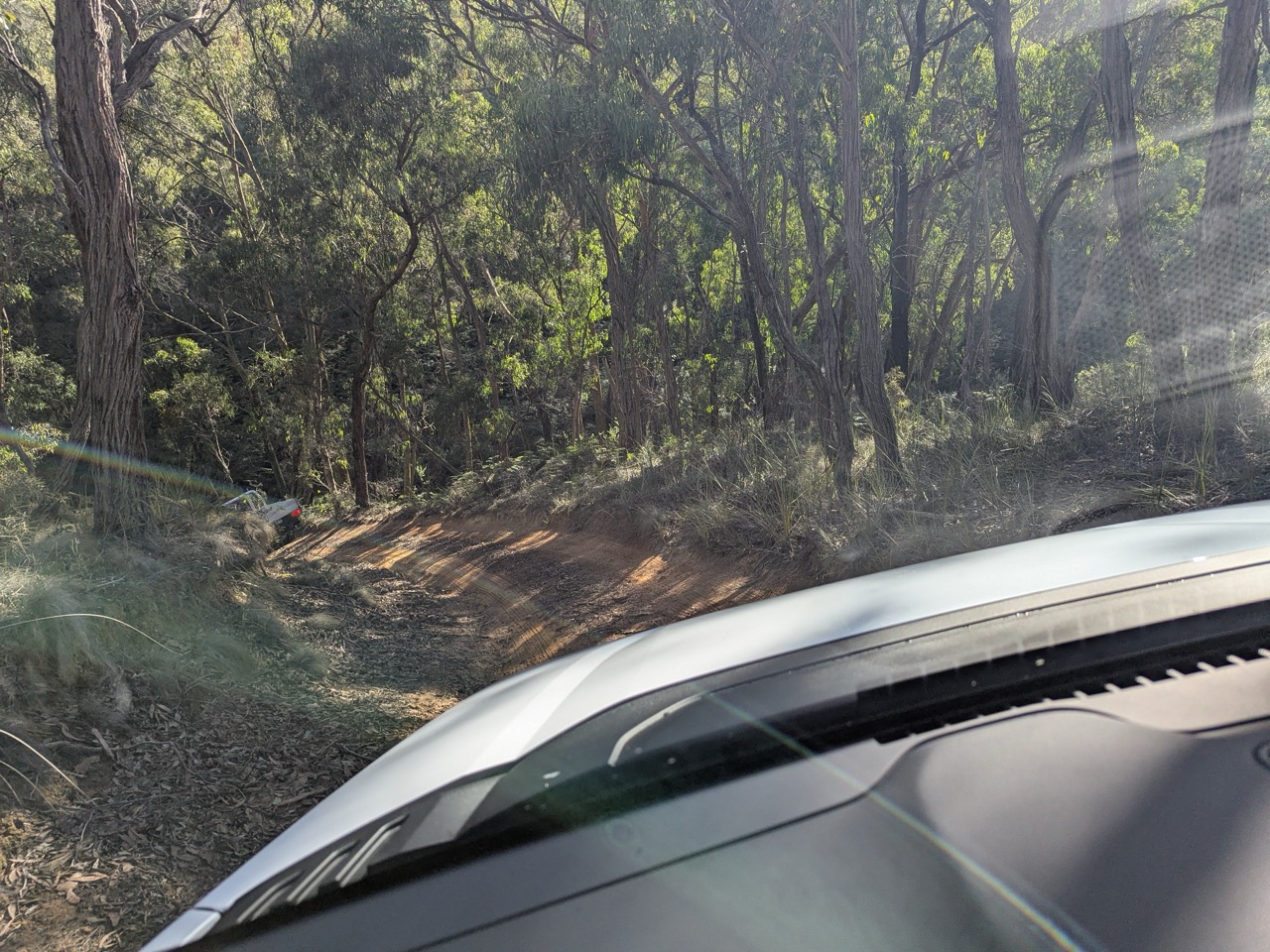
This is what’s really unique about the Shark 6: it delivers a relatively capable off-roader in its class, with family-SUV-like driving in nearly all daily scenarios. I reckon the fleets would love the cab-chassis as even in 2026, there isn’t another ute delivering the package BYD has put together.
According to the BYD team, these two new variants of the Shark 6 are not the end for its expansion but really are just the beginning.
Does that leave the door open for a fully electric Shark 7? We really think so, but in the meantime, this new range will bring tens of thousands of Diesel ute buyers to try their hands at a very capable ute with more than enough EV-only range for most daily drives.
We look forward to spending a bit more time with it in the coming months, as it could be one of the most important products for mainstream adoption of electric vehicles in Australia in the coming years.
New Shark 6 Lineup Prices (before on-road costs)
- Dynamic cab-chassis – $55,900
- Premium – $57,900 (Existing Variant)
- Performance – $62,900
See The Driven’s detailed EV sales data here: Australian electric vehicle sales by month in 2026; by model and by brand.
Sign up for The Driven’s free daily newsletter and get the latest EV news and analysis delivered straight to your inbox.