Electric ferries have gone from novelty to common sense in less than a decade.
Norway now runs over a hundred battery-electric car and passenger ferries as everyday public transport, not as trials. High-speed electric hydrofoil fleets are being rolled out for coastal routes, slashing fuel costs, noise and emissions.
The physics did not change; the will did.
Australian Governments are still pretending we’re at the starting line.
The NSW government has just announced the “first Aussie-made electric ferry” and the “first trial of an electric ferry” on Sydney Harbour.
Which is great.
But that’s spin, not fact.
Perth’s Little Ferry Company was a privately-operated fully electric solar-powered ferry on the Swan River last decade, carrying paying passengers day in, day out (at least until Covid happened).
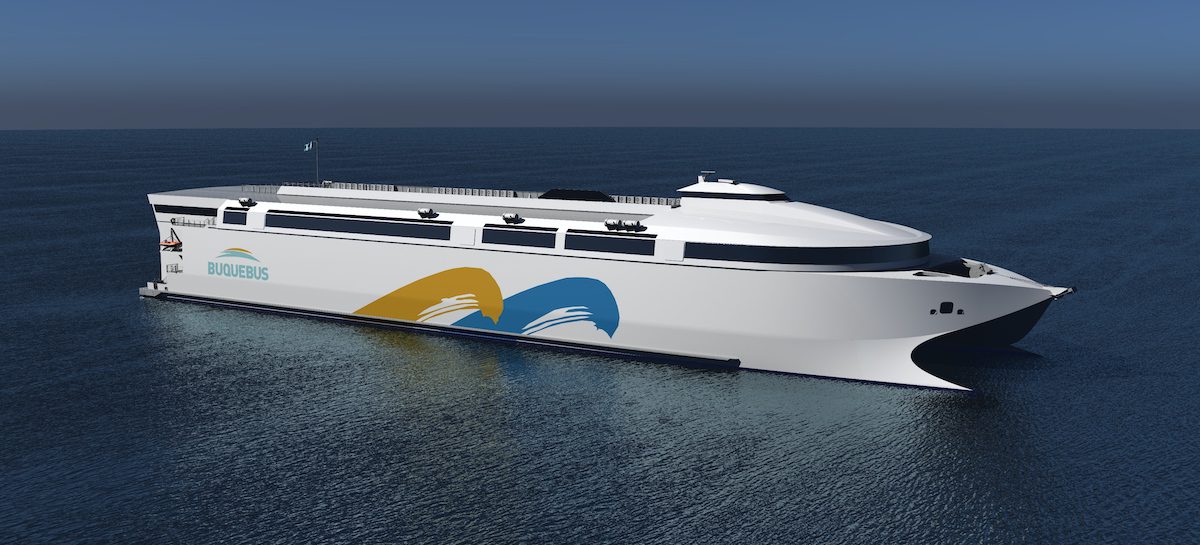
Hobart’s Incat has already built China Zorrilla, the world’s largest battery-electric ship, a 130-metre catamaran powered by more than 40 MWh of batteries.
Both are Australian-built electric ferries. One was quietly working in Perth for years; the other is a global flagship for electric vessels.
So when NSW trumpets a “first”, but then calls its first step a “trial”, its really saying something else: We are late, and key advisors are still treating proven tech as if it were experimental.
That matters, because the basics of operating a vessel – or a bus or a train – do not change when you electrify.
Boats still float. The wheels on the bus still go round and round.
Skippers still berth, crews still tie up, timetables still rule the day. What changes are the fundamentals that should interest any responsible operator:
- Energy costs drop, because electricity is cheaper and more predictable than diesel.
- Reliability improves, because electric drivetrains have fewer moving parts and less to break.
- Emissions at the point of use fall to zero, and as the grid decarbonises, so do the “distant” emissions from generation.
Electric ferries should now be treated the same way as electric buses. We do not run endless pilots and trials to find out whether an electric bus can handle a city route; we know it can, because hundreds of thousands around the world (mostly particularly China) already do.
Ferries – and buses and trains – are tied to known terminals and timetables – ideal conditions for concentrated charging.
So the real question for governments and transport agencies is not “does it work?”
The real question is: Why are we still commissioning diesel ferries and buses at all?
Where ferry routes are short-sea, riverine or urban, the default specification for new vessels should now be battery-electric paired with a clear precinct plan for shore power and renewable integration.
The same logic applies on land.
Electric buses (and trains) are already a known quantity; they still move people from A to B, only with lower costs, less noise and no tailpipe emissions. Trials have their place when we genuinely do not know how something will behave. But with ferries and buses and trains, the fundamentals are settled.
Every “trial” that delays a fleet-wide tender is simply locking in more diesel – and emissions, and fuel insecurity – for another decade.
Electric ferries make the broader point. “Hard to abate” is invariably code for “we have not updated the procurement template yet.” (“Nor our unending belief in fossil fuels”).
Norway moved from first battery ferry to a mostly electric newbuild pipeline in about ten years.
Australia has now placed its first serious orders. The fastest way to close the gap is simple: stop asking electric ferries and buses to prove they can do what their diesel predecessors already do. Just start writing purchase contracts on the world of evidence that they will.