Swedish electric carmaker Polestar continues to bolster the circularity of its batteries, announcing this week the use of refurbished batteries as replacements for the Polestar 2 and Polestar 3, and that new batteries for each car now contain at least 50 per cent recycled cobalt.
Polestar has set itself ambitious climate targets halving greenhouse gas emissions per-vehicle-sold by 2030 and becoming climate neutral across its value chain by 2040.
In an effort to push for greater climate transparency across the entire automotive industry, Polestar has since 2020 published Life Cycle Assessments for every model and began openly reporting its CO2-equivalent (CO2e) emissions across its value chain.
Similarly, the Polestar 2 5-door electric liftback was the first car to feature blockchain-traced cobalt, along with mica, nickel, and lithium.
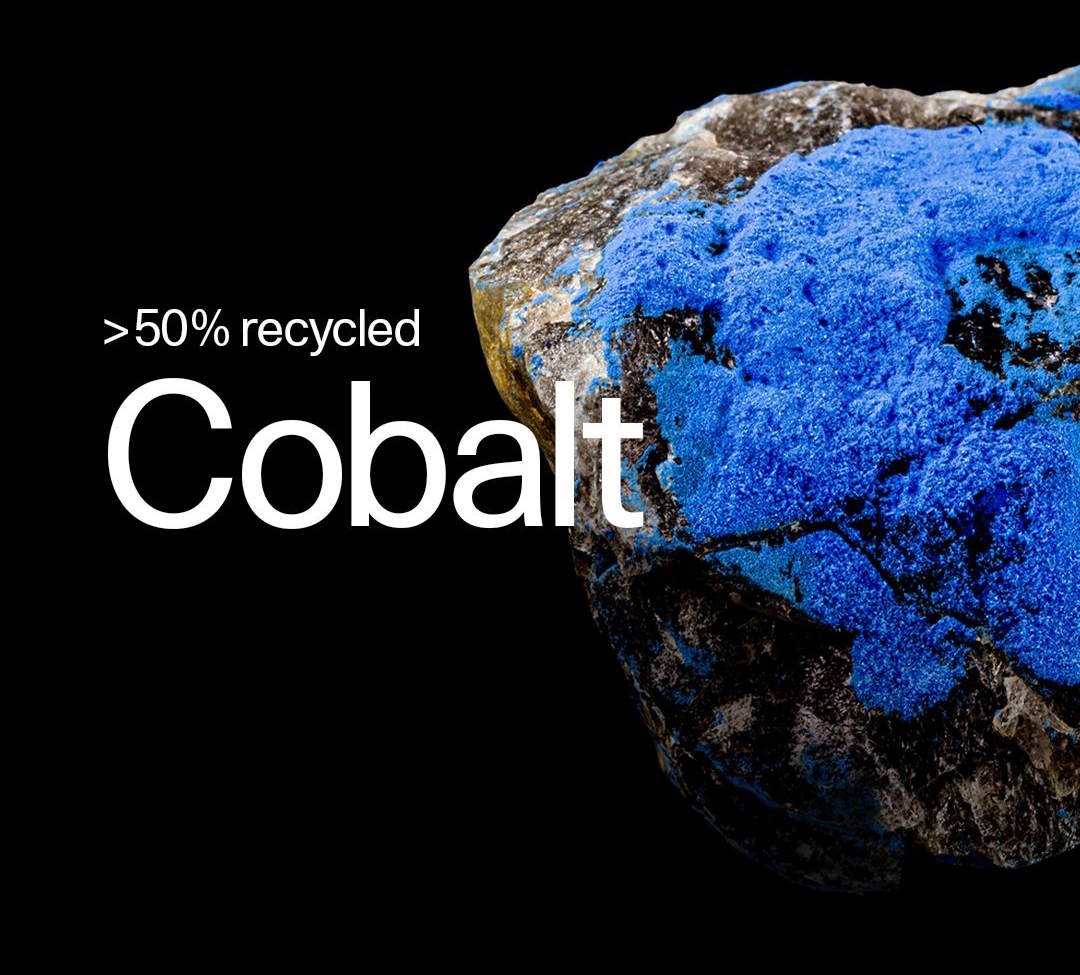
This week, Polestar announced that Polestar 2 and Polestar 3 batteries now include at least 50 per cent recycled cobalt – though the company did not provide additional details on that recycling process except that it continues to establish recycling partnerships across all its markets to meet producer responsibility requirements.
Polestar is also continuing to scale its approach to battery circularity beyond material sourcing, part of an effort to reduce reliance on virgin materials, increase visibility across the entire value chain, and keep resources in use for longer.
For example, Polestar works with parent company Volvo Cars’ battery centres to refurbish high-voltage batteries that are then used in Polestar 2 and Polestar 3 vehicles that require a battery replacement.
Customers receive a refurbished replacement battery which has an equivalent state-of-health to that which was swapped out, therefore improving battery value retention while also reducing the overall impact to the environment.
These are just a few of the sustainability efforts Polestar makes in the production of its cars, and build on previous examples such as the use of recycled aluminium and steel, base carpets and inlay carpets based on Econyl polyamide, and yarn made from PET waste.
“To drive a Polestar is an intentional choice by customers who care about tomorrow,” said Fredrika Klarén, head of sustainability at Polestar.
“Electrification, powered by renewable energy and enabled by circular battery materials, points to a new kind of system: one where resources stay in use and abundance replaces depletion.”