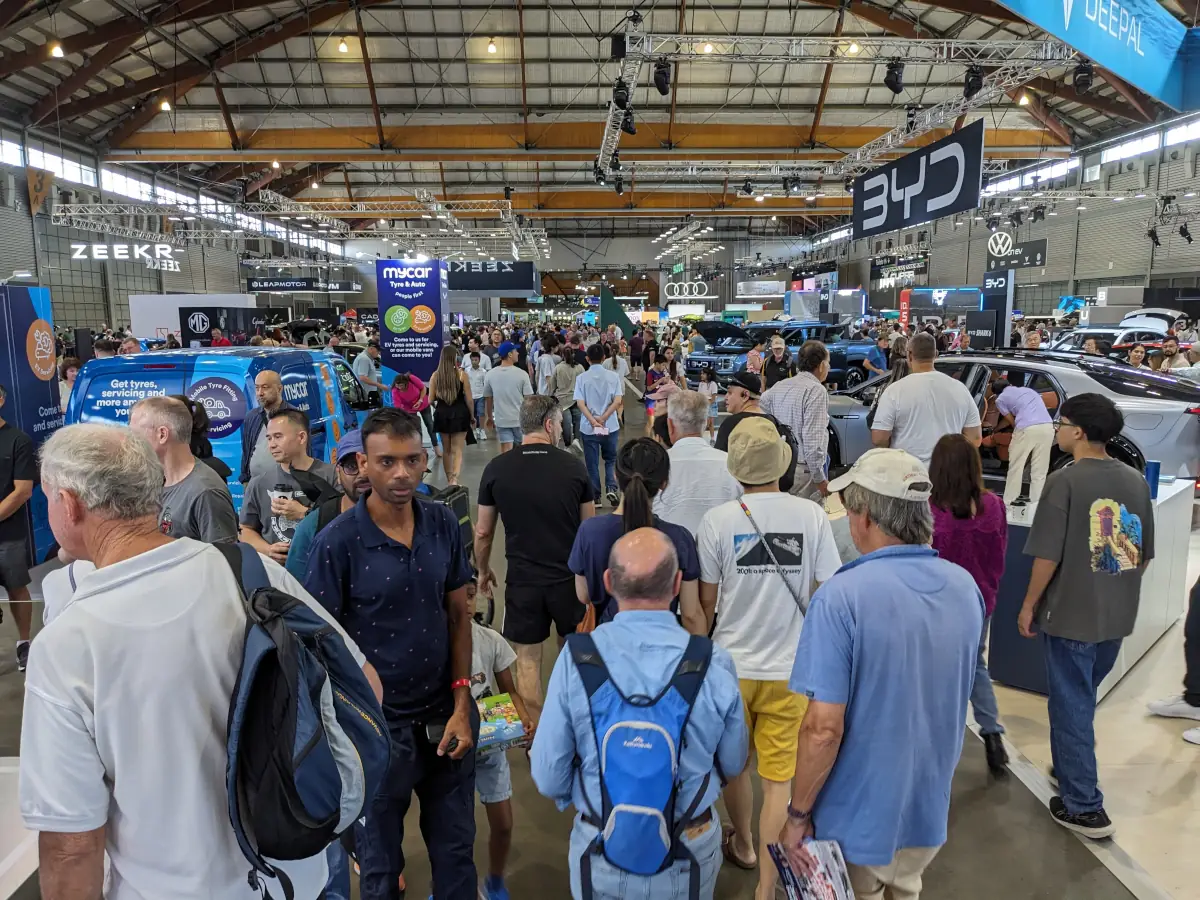
Remember the snatch-and-grab for toilet rolls in the early moments of the Covid pandemic? They were gone from the shelves of supermarkets within days. In Japan, the Middle East war has sparked a new round of toilet-paper hoarding, but in Australia it’s the showrooms of EV sellers that are being rapidly emptied.
A work colleague’s sister went to look at EVs in Sydney this week and looked at a Jaecoo J5 ($37,000 drive-away) at the same time as another guy. She later asked the other person what he thought: “I bought two now and another for the parents in law next week,” came the reply.
Official data on exactly how many EVs have been sold in March won’t be out till after Easter, but all the evidence points to perhaps Australia’s strongest month ever – and certainly its biggest market share.
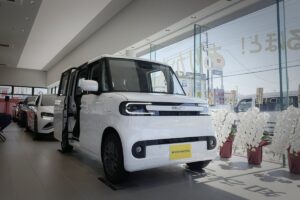
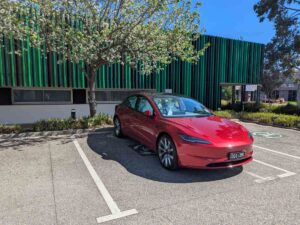
The wait times for Tesla’s best-selling Model Y electric SUV have ballooned out to several months; insurance inquiries have doubled, the Pickles auction house also reports a doubling of interest. The asking price of second-hand EVs online has surged and there are multiple reports on social media of EV showrooms with no more new or used stock.
Even new Nationals leader Matt Canavan – an arch critic of just about any technology that does not require the burning of fossil fuels – is excited, saying how much he loves Tesla EVs, but is reluctant to buy a new one because of depreciation issues. He should check out the plunging asking price of second hand petrol and diesel prices on the online sales sites.
Nathan Gore-Brown, director of battery testing group TestEV, says used car dealers in his network have basically sold out of all their used EVs. One has sold 45 this month, this constitutes 50% of sales for the month so far. He says industry data shows that the number of used EVs in stock has slumped to just 1,000, from 6,000 at the start of March.
“There is very little used EV stock left and there is going to be a used EV shortage in the coming weeks and months. I am seeing prices go up on your run of the mill used EVs by 10-15%.” And he has seen a huge spike in interest in the Aviloo EV battery health testing system from dealers and pre-purchase vehicle inspectors.
“This month is what we have all been training for over the last 10 years,” he says.
Is this, then, the breakthrough moment for EVs in Australia, a country whose collective psyche still appears poisoned by the silly attacks made by former PM Scott Morrison, along with current Liberal leader Angus Taylor, and the relentless demonising of the technology by right-wing media and the fossil-fuelled motor industry.
There are a bunch of reasons why it could be.
The first, of course, is the global geopolitics and the uncertainty created by the narcissists and dictators determined to wreak havoc across the world – Trump, Netanyahu, Putin, Xi, whoever is in control in Iran, and all those who seek to curry their favour. The fossil fuel disruption, high prices and uncertainty could last for months.
Secondly, EVs have been the subject of range and charger anxiety for some time. How far will the car go, and will I be able to charge when I get there? The disappointing performance of the first generation of “shitty Tritiums,” the Australian EV charging firm backed by former coal baron and EV owner Trevor St Baker, haven’t helped.
But now petrol and diesel drivers are faced with similar issues. The question is not so much about distance, but cost, and a real fear there will be no fuel available along the way or at the other end. Media reports say traditional Easter holiday drive trips with the kids are being cancelled.
The third reason is possibly the most important. Even a year ago it would not have been easy to walk into an EV showroom and snap up two perfectly reasonable electric SUVs at a driveway cost of $37,000. Now you can, not just at Jaecoo, but from many other brands, most of them Chinese.
The EVs have finally punched through the price barrier. You could argue whether they are genuinely at cost parity, but it is so close it doesn’t matter, given the huge savings on annual operating costs, particularly in fuel and particularly for those with rooftop solar.
The EV market in Australia has also fundamentally changed. A few years ago it was totally dominated by Tesla, which accounted for two-thirds of all EV sales.
Gradually the Chinese EV makers have made inroads, with ever-falling prices and improved technology – BYD led Tesla overall in the first two months of 2026, and its Atto 1 can be bought for around $25,000. Tesla, though, has also recovered its market cred.
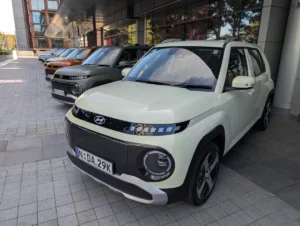
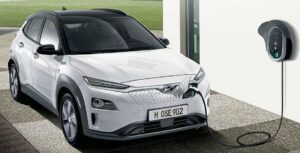
New Chinese brands like Geely, Xpeng, Zeekr, Jaeco, Aaion, Deepal and Leapmotor and are making inroads, while more traditional car makers Hyundai, Kia, and the European brands are rolling out smaller, more affordable options. There are even some electric utes on offer from MG and South Korea based KGC.
The data that will be released by the two main car bodies will provide fascinating reading when released in early April. Australia’s EV market share has bounced around between 6 and 12 per cent, capped always it seems by a preference of some sort of hybrid.
March’s new car sales data could reveal a market share of more than 20 per cent, even 30 per cent by some guesstimates. If the fuel crisis continues for many months, and that seems likely, then an ongoing high market share for EVs may mean no going back.