The Driven
  • EV News
    • Electric Cars
    • Electric Bikes
    • Electric Boats
    • EV Conversions
    • Electric Flight
    • Electric Transport
    • Hydrogen Fuel Cell
    • Batteries
    • Charging
    • Policy
  • EV Models
  • EV Sales
  • Road Trips
  • Reviews
  • Multimedia
    • Podcasts
    • Videos
  • EV Explainers
    • EV Terms
    • FAQs
    • Readers’ Questions


The Driven
The Driven
  • EV News
    • Electric Cars
    • Electric Bikes
    • Electric Boats
    • EV Conversions
    • Electric Flight
    • Electric Transport
    • Hydrogen Fuel Cell
    • Batteries
    • Charging
    • Policy
  • EV Models
  • EV Sales
  • Road Trips
  • Reviews
  • Multimedia
    • Podcasts
    • Videos
  • EV Explainers
    • EV Terms
    • FAQs
    • Readers’ Questions
Comments
  • Electric Cars

German consumers question environmental impact of electric cars

  • 19 May 2021
  • 1 minute read
  • Kerstine Appunn
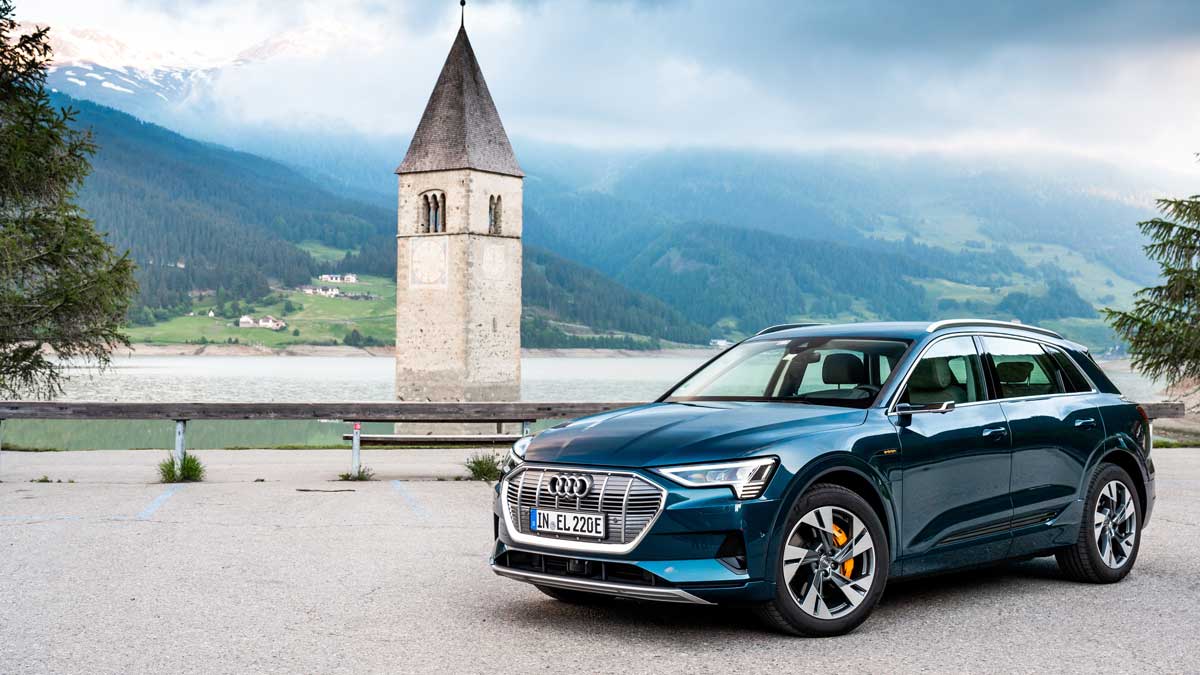
Audi e-tron 55
The Audi e-tron 55. Source: Audi
Share 0
Tweet 0
Share 0
Share 0
Share 0
Share 0

The number of electric cars is growing dynamically, mainly driven by members of younger, high-income households who live in single-family homes in the countryside, an analysis conducted by the German development bank KfW’s Energy Transition Barometer  has found.

Electric cars make up only slightly more than one percent of all cars in Germany but they accounted for almost 14 percent of new registrations last year.

According the KfW survey, this figure is going to increase further – if not double – as 1.1 percent of households is planning to buy an electric or hybrid car in the next 12 months.

The main reasons for purchasing an electric car are climate protection and the innovative nature of the technology. The main reasons for deciding against an e-car are concerns about practicalities, such as driving range and charging infrastructure, but also doubts about the environmental impact of electric vehicles.

These doubts have increased over time and are cited by almost every second household now, KfW says.

“In view of an increasingly greener electricity mix and the majority of ‘climate-positive’ findings from science, this is quite a surprising trend,” the KfW press release says.

People with lower income and tenants living in apartment buildings and cities have shown considerably less interest in e-cars and the KfW warned that no household groups should be “systematically left behind when switching to electric mobility.”


This article was first published in Clean Energy Wire.

Share 0
Tweet 0
Share 0
Share 0
Share 0
Share 0
Share 0
Share 0
Share 0
Get the free daily newsletter

I agree to the Terms of Use

  • EV News
    • Electric Cars
    • Electric Bikes
    • Electric Boats
    • EV Conversions
    • Electric Flight
    • Electric Transport
    • Hydrogen Fuel Cell
    • Batteries
    • Charging
    • Policy
  • EV Models
  • EV Sales
  • Road Trips
  • Reviews
  • Multimedia
    • Podcasts
    • Videos
  • EV Explainers
    • EV Terms
    • FAQs
    • Readers’ Questions
  • Press Releases

the driven electric vehicle podcast

Get the free daily newsletter

I agree to the Terms of Use

Stay Connected
The Driven
  • About The Driven
  • Get in Touch
  • Advertise
  • Contributors
  • Terms of Use
  • Editorial Guidelines
  • Privacy Policy
  • Sponsored Post
Your best source for electric vehicle news & analysis.

Input your search keywords and press Enter.