
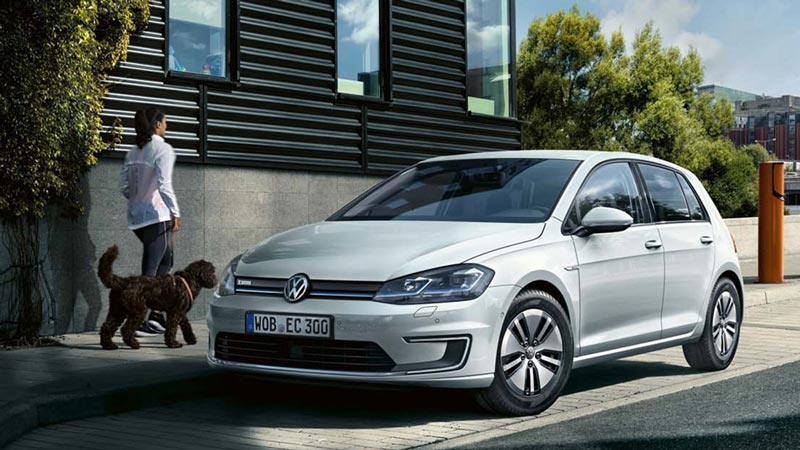
Most used electric cars are proving difficult to sell in Germany because increasing subsidies and rapidly improving technology are quickly putting older models out of date and reducing the competitiveness of their prices, Stefan Hajek writes in WirtschaftsWoche.
The publication surveyed experts about the values of used electric cars compared to traditional fossil fuel vehicles and found that, because technology is progressing so quickly, new e-cars often have significantly longer ranges than ones even three or four years old.
Battery life is also improving quickly, and newer models don’t usually cost much more than older models did when they were new. “That puts enormous pressure on the prices of such used cars,” Mathias von Alten, an analyst at Publicis Sapient, told Hajek.
The report noted that a three-year-old e-Golf or BMWi3 has a 180-km range, while newer versions are more than double that. That means any car older than two years might be “left on the lot for months.”
Germany’s new e-vehicle premium, which were recently increased to 9,000 euros as part of coronavirus stimulus measures, also put the value of older e-cars at a disadvantage.
A new Renault ZOE costs 19,900 euros, after a 6,000-euro subsidy from the state and a 4,000 rebate from Renault, the report says.
A one-year-old version is only slightly cheaper at 17,250 euros, partly because it would have been purchased when the bonus was only 4,000 euros. Tesla models are an exception as the company doesn’t give discounts on new vehicles.
They also had better technology and range a few years ago, and so the differences between older and new models aren’t as large as with other brands, Hajek writes.
The difference is expected to decrease as technology stabilises. Lower taxation and less maintenance on electric vehicles should also bolster used e-car prices.
“In the long term, the residual values of e-cars will be even more stable than those of comparable combustion engines,” Laut Baljet of Bähr & Fess Forecasts told the publication.
E-cars still only make up 0.6 percent of the used car market, according to data provided to WirtschaftsWoche by von Alten, but that number is expected to grow as sales pick up.
Source: Clean Energy Wire. Reproduced with permission.